
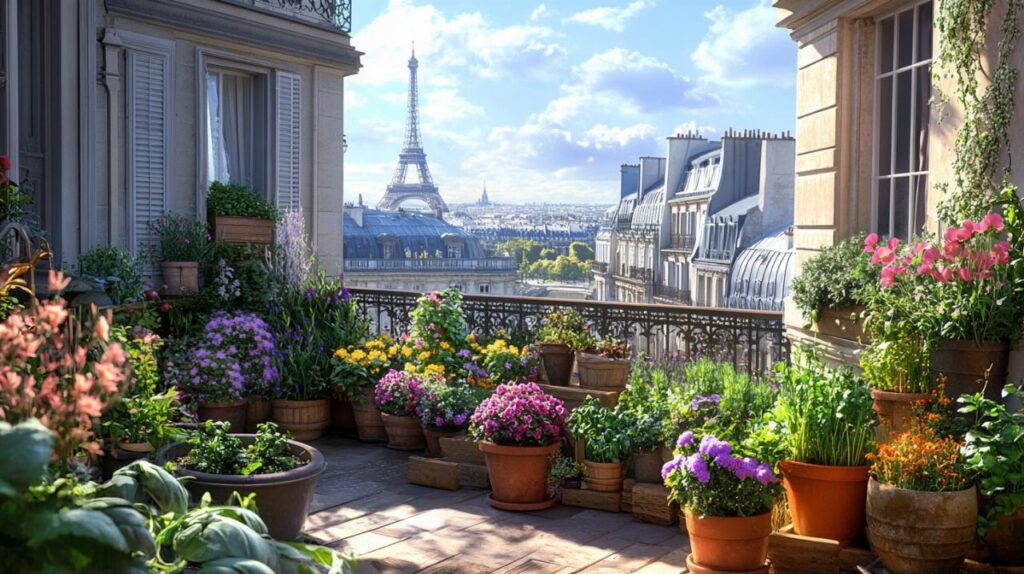
Transforming a terrace into a personal culinary retreat is a delightful way to bring fresh flavours and a touch of Continental elegance directly to your doorstep. Drawing inspiration from the effortlessly chic gardens found in Paris and throughout the French countryside, you can create a practical yet visually captivating space that serves both as a source of fresh herbs and vegetables and as a stylish outdoor sanctuary. This approach marries functionality with aesthetics, allowing you to cultivate your own produce whilst enjoying the charm and sophistication synonymous with French garden design.
Capturing the Essence of Parisian Terrace Gardens
The chic simplicity of french urban gardening
French urban gardens are renowned for their understated elegance and clever use of limited space. Rather than overwhelming a small terrace with excessive ornamentation, Parisian gardeners favour a refined simplicity that highlights the natural beauty of plants and carefully chosen decorative elements. This philosophy revolves around selecting classic containers, such as terracotta planters and Anduze urns, which have been handcrafted since the eighteenth century and feature sculptural garlands adorned with green and yellow glazes. These timeless pieces lend a sense of history and authenticity to any outdoor area, transforming even the most modest terrace into a sophisticated retreat. The emphasis is on quality over quantity, ensuring that each element contributes to a cohesive and visually pleasing environment.
Why parisian style works brilliantly for british terraces
The Parisian approach to terrace gardening translates remarkably well to British outdoor spaces, particularly because both settings often contend with limited square footage and variable weather conditions. French gardens in regions such as Paris, the Loire Valley, and Normandy experience climates that align roughly with zone eight in hardiness scales, which closely mirrors many parts of the United Kingdom. This compatibility means that the plant selections and design principles that thrive in French urban gardens are equally suited to British terraces. Additionally, the focus on creating a welcoming, relaxed atmosphere through carefully curated furniture and decorative touches resonates with the British appreciation for functional yet attractive outdoor living spaces. By adopting this style, you can cultivate a garden that feels both exotic and familiar, offering a slice of French charm without straying too far from local gardening practicalities.
Choosing the Perfect Containers for Your Culinary Space
Terracotta, zinc, and classic french planter styles
Selecting the right containers is crucial when transforming your terrace into a culinary garden. Traditional terracotta pots remain a popular choice due to their porous nature, which allows roots to breathe and prevents waterlogging. These earthy vessels suit a wide range of herbs and vegetables, providing both practical benefits and a rustic aesthetic that complements French garden design. Zinc planters offer a more contemporary alternative, their sleek metallic finish adding a touch of industrial elegance that contrasts beautifully with lush greenery. For those seeking a truly authentic touch, Medici urns and the aforementioned Anduze urns bring a sense of grandeur and history to your terrace. These sculptural pieces serve as focal points, drawing the eye and elevating the overall design. Whether you opt for classic terracotta or stylish zinc, the key is to choose planters that harmonise with your terrace layout and personal taste, creating a cohesive and inviting space.
Selecting Container Sizes for Herbs and Edibles
When planning your terrace garden, it is essential to match container sizes to the specific needs of each plant. Herbs such as basil and chives thrive in smaller pots, typically ranging from twenty to thirty centimetres in diameter, which allows their root systems to develop without becoming cramped. Larger edibles, including cherry tomatoes and compact vegetable varieties, require more substantial containers to accommodate their deeper roots and greater nutrient demands. Opting for pots that are at least forty centimetres deep ensures that these plants have adequate space to flourish throughout the growing season. Additionally, consider the drainage capabilities of your chosen containers, as proper water management is vital to preventing root rot and promoting healthy growth. By thoughtfully selecting container sizes, you can create a balanced and productive culinary garden that maximises both space and yield.
Essential Herbs and Edibles for Your Terrace Garden
Practical culinary plants: basil, chives, and beyond
A successful terrace culinary garden begins with selecting herbs and edibles that are both practical and easy to grow. Basil is a staple in many kitchens, prized for its aromatic leaves that enhance a variety of dishes from pasta to salads. This tender herb prefers warm, sunny conditions and regular watering, making it an ideal candidate for container cultivation on a terrace. Chives, with their mild onion flavour and delicate purple blooms, are equally versatile and require minimal maintenance, thriving in well-drained soil and partial shade. Beyond these classics, consider incorporating parsley, thyme, and rosemary into your collection. These hardy herbs not only add depth to your cooking but also contribute to the visual appeal of your garden with their varied textures and colours. If you are seeking further ideas to enrich your terrace, you can click here for inspiration and discover additional plant varieties that suit your culinary needs and aesthetic preferences.
Growing cherry tomatoes and other compact vegetables
Whilst herbs form the backbone of a terrace culinary garden, incorporating compact vegetables such as cherry tomatoes can significantly enhance both the productivity and visual interest of your space. Cherry tomatoes are particularly well-suited to container growing, as many modern varieties have been bred specifically for limited spaces and can produce abundant harvests from a single pot. These plants require full sun and consistent watering, along with regular feeding to support their vigorous growth and fruiting. In addition to tomatoes, consider growing lettuce, radishes, and dwarf varieties of peppers, all of which adapt well to container cultivation and offer fresh produce within easy reach. By diversifying your plantings, you create a dynamic garden that provides a steady supply of fresh ingredients throughout the growing season, all whilst maintaining the elegant simplicity characteristic of Parisian terrace design.
Maximising space with vertical gardening techniques
Installing climbing frames and trellises
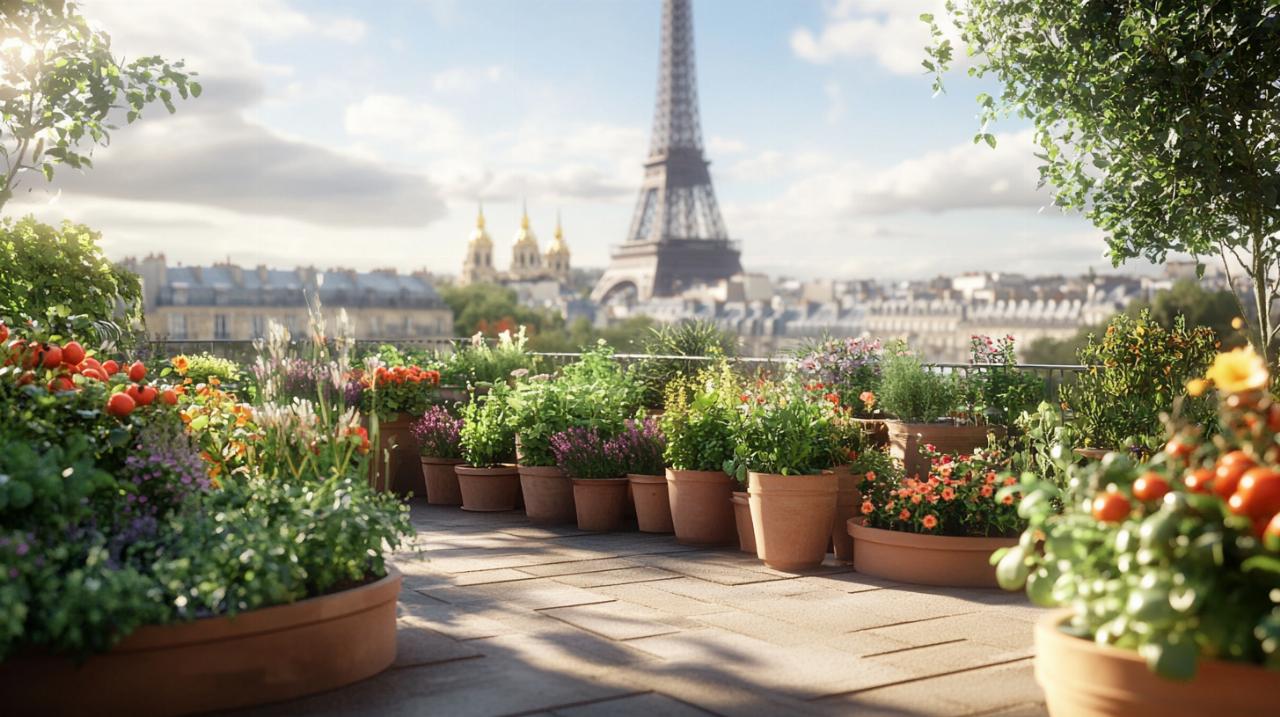
For those working with particularly compact terraces, vertical gardening techniques offer an ingenious solution to maximise growing space without sacrificing style. Installing climbing frames and trellises allows you to cultivate trailing plants such as peas, beans, and climbing varieties of tomatoes, which would otherwise consume valuable floor space. Wrought iron trellises, reminiscent of the ironwork furniture produced in Arras, France, add a touch of classic elegance whilst providing sturdy support for vigorous climbers. These structures can be affixed to walls or freestanding, depending on your terrace layout and structural constraints. By training plants to grow vertically, you not only increase your garden's productivity but also create a lush, green backdrop that enhances the overall ambience of your outdoor area.
Wall Planters and Living Green Walls for Small Spaces
Wall planters and living green walls represent another effective strategy for expanding your terrace garden without encroaching on limited floor space. These systems involve mounting modular planting units directly onto walls or railings, allowing you to grow a diverse array of herbs and compact vegetables in a vertical arrangement. This approach is particularly advantageous for those cultivating fresh herbs in a vertical pallet garden, as it maximises exposure to sunlight whilst keeping plants accessible for harvesting. Living green walls also contribute to improved air quality and can help insulate your home, offering both aesthetic and practical benefits. When designing a vertical garden, ensure that your chosen system includes adequate drainage and is securely anchored to withstand the weight of soil and mature plants. By embracing vertical gardening techniques, you can transform even the smallest terrace into a productive and visually stunning culinary garden.
Creating the perfect parisian atmosphere
Bistro furniture and seating arrangements
The success of a Parisian-inspired terrace garden lies not only in the plants you choose but also in the furnishings and decorative elements that define the space. Bistro furniture, characterised by its compact design and romantic ironwork, is an ideal choice for creating a relaxed and inviting seating area. A rustic bistro table paired with matching chairs provides the perfect spot for enjoying a morning coffee or an al fresco meal surrounded by your flourishing garden. Opt for wrought iron pieces that echo the traditional craftsmanship found in French garden design, or select marble-topped tables for a touch of understated luxury. Comfortable seating, enhanced with soft cushions and throws, encourages you to linger and savour the tranquil ambience of your outdoor retreat, making your terrace a true extension of your living space.
Lighting and Decorative Touches for Evening Ambience
To extend the enjoyment of your terrace garden into the evening hours, thoughtful lighting and decorative touches are essential. Fairy lights strung along railings or woven through climbing plants create a warm, inviting glow that enhances the romantic atmosphere synonymous with Parisian courtyards. Lanterns and candle holders, preferably in aged metal or glass, add further visual interest and provide soft, flickering illumination that complements the natural beauty of your garden. Rustic accents such as copper watering cans, weather vanes, and clock faces contribute to the overall charm, infusing your terrace with a sense of history and character. Garden sculptures and architectural elements, including small fountains or decorative urns, serve as focal points that draw the eye and elevate the design. By carefully curating these details, you create an enchanting outdoor space that invites relaxation and celebrates the art of French garden living.
Maintaining your terrace culinary garden year-round
Watering, feeding, and seasonal care tips
Sustaining a productive and attractive terrace garden requires consistent care and attention throughout the year. Watering is perhaps the most critical aspect, as container plants dry out more quickly than those in the ground. Establishing a regular watering schedule, adjusted for seasonal variations and weather conditions, ensures that your herbs and vegetables receive the moisture they need to thrive. During the growing season, supplementing with a balanced liquid feed every few weeks supports vigorous growth and abundant yields. As autumn approaches, reduce watering frequency and cease feeding to allow plants to prepare for dormancy. Regularly inspect your garden for pests and diseases, addressing any issues promptly to prevent them from spreading. Pruning and deadheading spent blooms not only maintains the aesthetic appeal of your terrace but also encourages continued flowering and fruiting, keeping your garden vibrant and productive.
Protecting your plants through british weather changes
The unpredictable nature of British weather presents unique challenges for terrace gardeners, particularly when cultivating tender plants inspired by the milder climates of Provence and the French Riviera. As temperatures drop in late autumn and winter, tender herbs and vegetables may require protection to survive the colder months. Consider moving vulnerable containers to sheltered spots or wrapping them in horticultural fleece to insulate roots against frost. Evergreen plants and hardy herbs such as rosemary and thyme can remain outdoors, though they benefit from reduced watering during periods of freezing weather to prevent root damage. In spring, gradually reintroduce tender plants to outdoor conditions, allowing them to acclimatise before the last frost has passed. By adapting your care routine to accommodate the shifting seasons, you can maintain a thriving terrace culinary garden year-round, enjoying the rewards of fresh, homegrown produce regardless of the weather.