
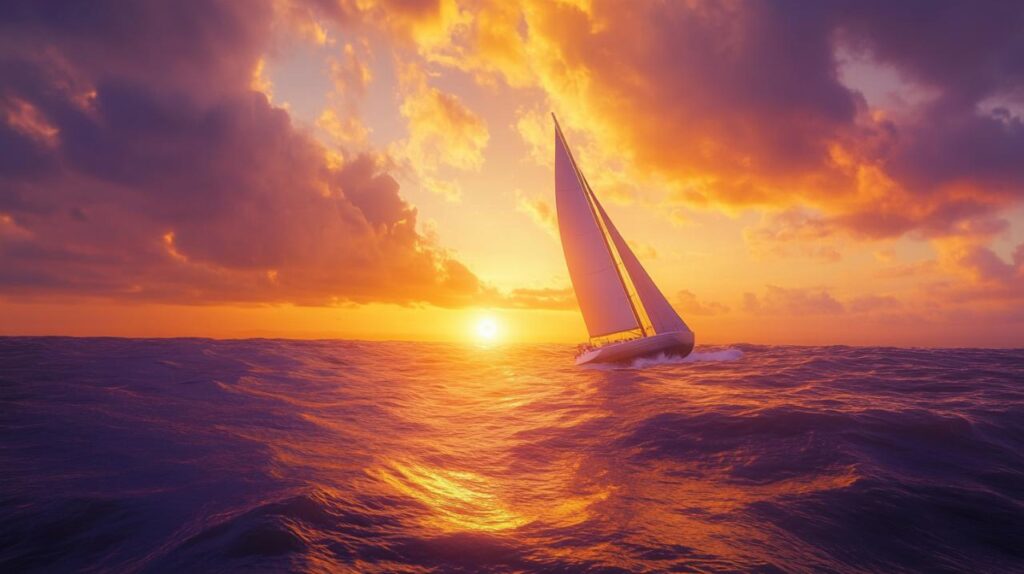
Setting sail across the vast expanse of the world's oceans represents one of the most exhilarating forms of adventure tourism available today. Whether you dream of crossing the Atlantic, exploring the remote waters of Antarctica, or discovering hidden anchorages in the Caribbean, ocean sailing combines the thrill of exploration with the satisfaction of mastering complex nautical skills. This guide offers insights into preparing for these remarkable journeys, selecting appropriate routes, and embracing the sailing lifestyle that captivates thousands of enthusiasts worldwide.
Essential preparation for your ocean sailing journey
Embarking on sailing expeditions requires thorough preparation that extends far beyond simple enthusiasm. Aspiring ocean voyagers must invest time in developing sailing qualifications, understanding marine safety equipment, and building the confidence needed to handle vessels in challenging conditions. Many sailors begin their journey towards circumnavigation or even a simple Atlantic crossing by enrolling in sailing courses that provide both theoretical knowledge and practical experience. The RYA Day Skipper qualification and the International Certificate of Competency serve as recognised credentials in many countries, often required when clearing customs clearance and immigration requirements at ports of entry worldwide. Beyond formal qualifications, responsible tourism demands that sailors develop crisis management skills, master first aid techniques, and understand weather routing to ensure safe passage planning.
Choosing the Right Vessel and Equipment for Blue Water Cruising
The selection of an appropriate vessel stands as perhaps the most critical decision in planning ocean voyages. Yachts ranging from twenty-two to sixty feet can theoretically complete a circumnavigation, yet vessels measuring between forty and forty-two feet have emerged as particularly popular among experienced sailors. These dimensions offer a practical balance between manageable crew requirements and sufficient space for extended offshore passages. When evaluating potential boats, prospective sailors must consider factors including hull maintenance requirements, the reliability of diesel engine systems, and the quality of rigging and electrical systems. Yacht refitting often becomes necessary to prepare vessels for the demands of blue water cruising, with particular attention paid to power generation through solar panels and wind turbines, which support sustainable travel practices whilst ensuring adequate electricity for satellite communication and navigation equipment.
Marine safety equipment forms an indispensable component of any properly prepared sailing vessel. Essential items include EPIRB devices for emergency location, VHF radio systems for routine and distress communications, comprehensive life raft provisions, and multiple fire extinguishers strategically positioned throughout the boat. GPS navigation systems backed by traditional nautical charts provide redundancy in positioning, whilst satellite phones offer connectivity beyond the range of terrestrial networks. The installation of reliable bilge pumps, properly maintained autopilot systems, and robust battery systems ensures that crews can manage both routine operations and unexpected challenges. Sailors planning Antarctic sailing or Arctic expeditions must further enhance their equipment with specialised cold-weather gear and additional emergency provisions, recognising that rescue operations in these remote regions can be delayed by severe weather conditions.
Navigation skills and safety protocols every sailor must master
Competence in navigation extends well beyond simply reading charts and operating electronic instruments. Successful ocean sailors develop expertise in weather interpretation, learning to identify weather windows that permit safe passage whilst avoiding dangerous conditions. Heavy weather sailing techniques become essential knowledge for anyone planning extended voyages, as even the most carefully planned routes occasionally encounter challenging seas. Passage planning incorporates considerations of hurricane season timing, with Atlantic crossings typically scheduled between November and April to avoid the peak tropical cyclone period. Voyage duration calculations must account for variables including boat speed, anticipated weather patterns, and necessary stops for provisioning and crew rest.
Safety protocols demand regular practice and unwavering attention to detail. Man overboard drills should be conducted frequently, ensuring that every crew member understands recovery procedures and can execute them under pressure. Solo sailing presents unique challenges that require additional precautions, including reliable tether systems, enhanced communication equipment, and heightened vigilance regarding fatigue management. Anchoring techniques suited to various seabed compositions and weather conditions protect vessels during overnight stops and extended stays in remote anchorages. Boat maintenance schedules must be rigorously followed, with particular attention to sail repairs, rigging inspections, and steering system reliability. Sailors who embrace these disciplines discover that preparation transforms potential crises into manageable challenges, allowing them to enjoy wildlife encounters and cultural experiences with confidence rather than anxiety.
Magnificent ocean routes and sailing destinations worldwide
The world's oceans offer an almost limitless variety of sailing routes, each presenting unique challenges and rewards. Sailors can sail the seas with voyages ranging from well-established trade wind routes to exploratory passages through polar regions. Popular circumnavigation routes typically follow westward paths that leverage prevailing winds and currents, often incorporating transits through the Panama Canal and either the Suez Canal or passages around South Africa. These classic routes connect diverse sailing destinations including the Caribbean islands, Mediterranean harbours, South Pacific atolls, and Indian Ocean archipelagos. For those seeking something beyond conventional routes, opportunities exist to explore the Hebridean Islands of Scotland, navigate the dramatic coastline of the Lofoten Islands in Norway, or venture into the pristine waters surrounding Greenland and Iceland.
Classic trade wind routes and seasonal considerations
Trade wind sailing represents one of the most rewarding approaches to ocean voyaging, offering relatively predictable conditions that have guided sailors for centuries. The Atlantic crossing between the Canary Islands and the Caribbean exemplifies this classic route, with departures typically scheduled during late autumn to capture favourable easterly winds whilst avoiding the Caribbean hurricane season. This passage forms a cornerstone of many circumnavigation plans, connecting European waters with the Americas and providing access to the Windward Islands and Grenadines. Sailors continuing westward often transit the Panama Canal, gaining access to Pacific crossing routes that lead towards the Galapagos Islands, French Polynesia, and eventually Australia or Southeast Asia.
Seasonal considerations profoundly influence voyage scheduling across all ocean basins. The Baltic Sea offers delightful summer sailing through regions including the Finnish Archipelago, where thousands of islands create protected waterways ideal for coastal sailing adventures. Conversely, winter months attract sailors to tropical destinations such as Saint Lucia, Dominica, Guadeloupe, and Martinique in the Lesser Antilles, where warm temperatures and trade wind conditions create perfect environments for both passage making and leisurely exploration. Arctic expeditions to destinations including Svalbard, the Faroe Islands, and West Coast Greenland concentrate during the brief polar summer when daylight extends around the clock and ice conditions permit navigation. Understanding these seasonal patterns allows sailors to optimise their experience whilst minimising exposure to dangerous weather conditions.
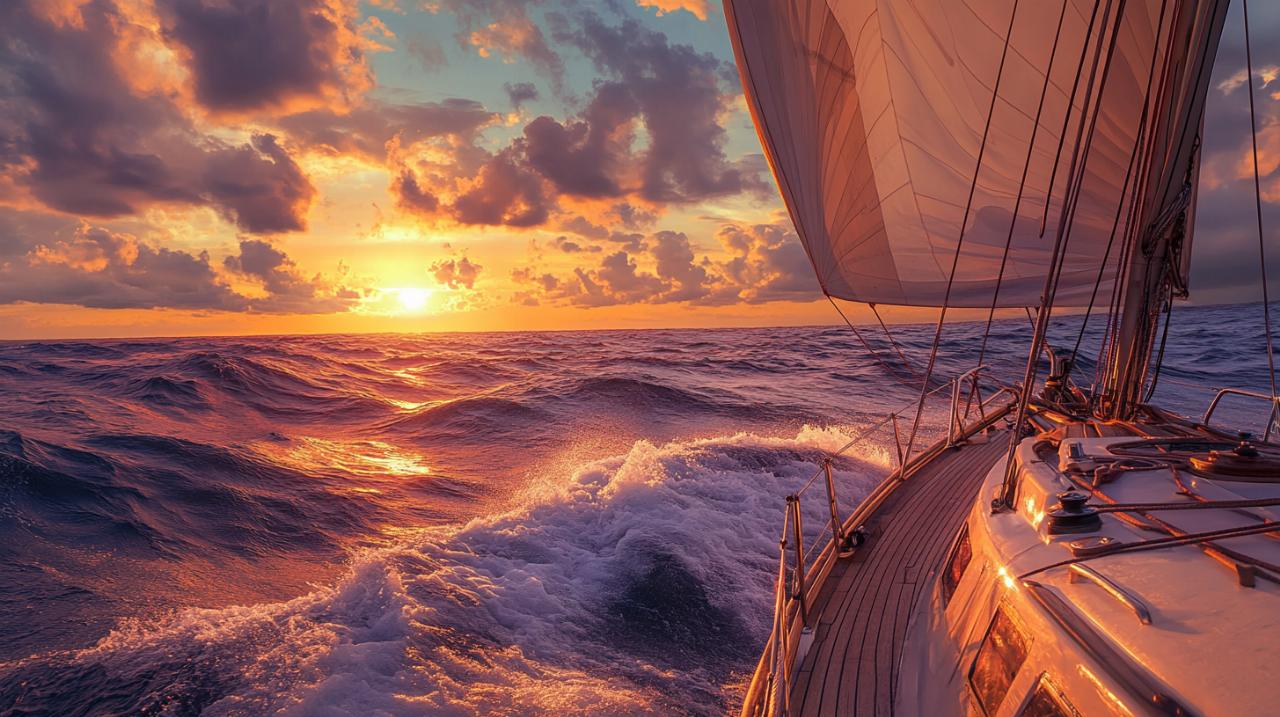
Hidden Gems and Remote Anchorages Across the Seven Seas
Beyond the well-trodden sailing routes lie countless hidden gems that reward adventurous sailors willing to venture off the beaten path. The island of Montserrat in the Caribbean offers dramatic volcanic landscapes and uncrowded anchorages, providing cultural experiences distinct from more developed neighbouring islands. Further north, Newfoundland and the Labrador Sea present rugged coastlines where icebergs drift southward from Greenland, creating spectacular if challenging sailing conditions. European waters conceal treasures such as St Kilda, a remote Scottish archipelago where abandoned settlements bear witness to centuries of isolated habitation, and the Channel Islands, which blend British and French influences in a unique cultural setting.
Disko Bay on the west coast of Greenland exemplifies the extraordinary destinations accessible to properly prepared sailing vessels. Here, towering icebergs calved from inland glaciers create constantly changing seascapes, whilst opportunities for hiking adventures ashore reveal arctic flora and geological wonders. The Grenadines offer a contrasting tropical paradise where crystal-clear waters shelter vibrant coral reefs and secluded beaches accessible only by boat. Sailors exploring these remote anchorages must balance their desire for adventure with responsible tourism practices, ensuring that their visits leave minimal environmental impact and respect local communities. Many discover that these less-visited destinations provide the most memorable wildlife encounters and genuine cultural exchanges, justifying the additional planning and preparation required to reach them.
The logistics of extended ocean voyages extend beyond navigation and seamanship to encompass practical considerations including voyage budgeting, boat insurance, and managing harbour fees and marina costs. Financial independence or reliable income streams become essential for those contemplating long-term cruising, with options ranging from remote work facilitated by improving internet connectivity to seasonal employment in cruising destinations. Tax residency questions arise for extended travellers, making professional advice valuable in managing financial affairs across multiple jurisdictions. Port of Entry procedures vary significantly between countries, typically requiring visits to Immigration, Customs, Quarantine, and Port Control authorities. Sailors must maintain proper crew documentation, including passports, ship registration papers, and various certificates demonstrating vessel compliance with international standards.
Healthcare abroad presents particular challenges for cruising sailors, who must balance the need for comprehensive medical care with the realities of limited facilities in remote locations. Adequate first aid training and well-stocked medical kits provide the first line of response to health issues, whilst boat insurance policies should include provisions for emergency evacuations when necessary. Food storage and water supplies require careful management on extended offshore passages, with contingency planning ensuring that crews carry sufficient emergency provisions to handle delays caused by unfavourable weather or equipment failures. The sailing community offers valuable support through shared experiences and practical advice, with resources including cruising guides, specialised websites, and even YouTube sailing channels providing insights into everything from electrical system troubleshooting to optimising plumbing systems.
Adventure travel operators have recognised the growing interest in sailing expeditions, offering programmes that allow individuals to experience ocean sailing without the commitment of boat ownership. These opportunities range from short coastal adventures exploring areas such as the Devon Coast to extended tall ship expeditions bound for Antarctica. Milebuilder courses provide aspiring sailors with valuable offshore experience whilst contributing crew to vessels transiting between seasonal cruising grounds. Masterclass programmes taught by professional sailors offer intensive skill development in areas including racing sailing techniques and advanced passage making. Female skippers increasingly lead these ventures, expanding representation within the professional sailing community and providing role models for aspiring sailors of all backgrounds.
The environmental responsibility inherent in sustainable travel practices has become increasingly important within the sailing community. Sailors committed to eco-friendly practices minimise their reliance on fossil fuels through efficient passage planning and maximised use of wind power, whilst solar panels and wind turbines reduce dependence on diesel generators. Waste management protocols ensure that nothing is discharged overboard in sensitive marine environments, with particular attention paid to protecting areas frequented by wildlife. These practices align with the broader principles of responsible tourism, recognising that sailors enjoy privileged access to pristine natural environments that must be preserved for future generations.
For those contemplating their first major sailing adventure, numerous pathways exist to develop the necessary skills and experience. Sailing training programmes accommodate participants ranging from complete beginners to experienced coastal sailors seeking to develop offshore competencies. Sailing skills can be progressively built through courses that begin with basic boat handling and gradually advance through coastal navigation, celestial navigation, and eventually offshore passage making. Many aspiring circumnavigators spend several years developing their capabilities through progressively longer voyages, building confidence whilst identifying and addressing gaps in their knowledge. This methodical approach reduces risks whilst increasing enjoyment, transforming what might otherwise feel overwhelming into an achievable series of steps.
The question of whether individuals can successfully complete major ocean voyages without prior experience receives a definitive answer from maritime authorities worldwide, which require proof of qualifications before granting vessels clearance to enter territorial waters. Beyond regulatory requirements, the practical demands of skippering vessels across offshore passages, managing sailing in bad weather, and addressing gear failure situations make competence essential rather than optional. Sailors who invest time in proper preparation discover that their journeys become far more enjoyable when they possess the skills to handle challenges confidently rather than merely reacting to crises. The satisfaction of successfully navigating demanding passages, executing precise anchoring in challenging conditions, and maintaining complex systems far from professional assistance represents one of the profound rewards of ocean sailing.
Looking towards the future of ocean sailing, technological advances continue to enhance safety and accessibility whilst traditional skills remain fundamentally important. Improved satellite communication systems keep sailors connected with weather routing services and emergency assistance, whilst advances in marine electronics provide increasingly sophisticated navigation tools. Yet the core appeal of sailing adventures endures precisely because technology cannot eliminate the fundamental interaction between sailor, vessel, and ocean. The sensation of a boat responding to wind and waves, the satisfaction of arriving at a remote anchorage after days at sea, and the privilege of witnessing marine wildlife in their natural habitats create experiences that resonate at a profound level. Whether pursuing a multi-year circumnavigation or a fortnight exploring the Bahamas, sailors discover that ocean voyaging offers adventure tourism at its most authentic, demanding much yet rewarding participants with memories and capabilities that endure for a lifetime.