
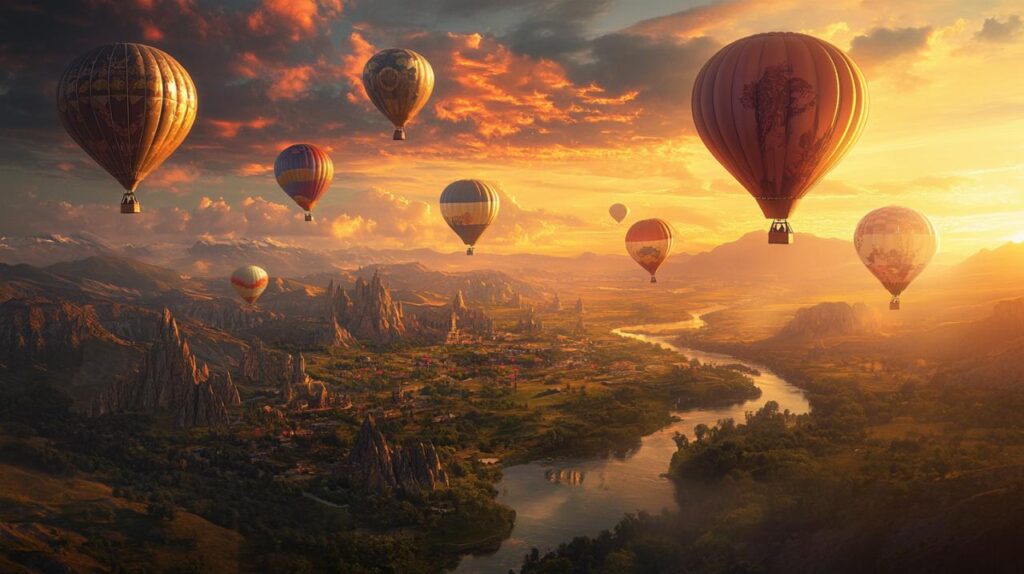
For those yearning to escape the predictable rhythms of everyday life, the world brims with possibilities that stretch far beyond conventional holiday itineraries. Whether one seeks solitude in uncharted wilderness, craves authentic encounters with distant cultures, or dreams of testing personal limits against nature's grandest canvases, the landscape of modern travel has evolved to embrace the adventurous spirit. This guide delves into the realm of extraordinary journeys, exploring destinations and experiences designed to ignite curiosity and forge indelible memories.
Discovering off-the-beaten-track destinations across the globe
Venturing beyond familiar tourist circuits unveils a tapestry of landscapes and cultures that remain largely untouched by mass tourism. These hidden corners of the planet offer travellers the chance to experience the world in its most authentic form, where encounters feel genuine and the rhythm of life remains unhurried. From secluded archipelagos scattered across vast oceans to remote highlands cradling ancient traditions, the pursuit of lesser-known destinations rewards those willing to stray from well-trodden paths with experiences that resonate long after the journey concludes.
Remote islands and hidden coastal gems worth visiting
Scattered across the world's oceans lie islands and coastal enclaves that exist almost as secrets whispered amongst seasoned explorers. The Maldives, renowned for crystalline waters and overwater villas, represents just one facet of island escapes that combine natural beauty with tranquillity. Yet beyond such celebrated retreats, countless lesser-known shores await discovery. The Galapagos Islands stand as a testament to nature's inventiveness, where wildlife evolved in isolation, creating ecosystems found nowhere else on Earth. Travellers who venture here witness evolutionary processes in real time, encountering creatures utterly indifferent to human presence, offering a humbling perspective on humanity's place within the natural order.
The Greek Islands extend far beyond the postcard-perfect vistas of Santorini and Mykonos, encompassing dozens of inhabited isles where traditional life persists. Visiting smaller islands reveals communities where fishing remains a primary livelihood, where tavernas serve recipes passed through generations, and where the pace of life aligns with the Mediterranean sun rather than digital notifications. Similarly, the Amalfi Coast in Italy offers dramatic cliffsides plunging into azure waters, yet its smaller villages provide intimate glimpses into coastal Italian culture that larger towns cannot replicate. These destinations invite travellers to slow down, to savour rather than consume, and to engage with environments that have shaped human civilisation for millennia.
Mountain Retreats and Wilderness Expeditions for the Intrepid Traveller
For those drawn to elevation and isolation, mountain regions across continents present challenging yet rewarding environments. The Inca Trail to Machu Picchu remains a pilgrimage for adventurers seeking to retrace ancient footsteps through cloud forests and high passes, culminating in the revelation of stone citadels clinging to precipitous slopes. This trek combines physical exertion with cultural discovery, as each step along the trail connects modern explorers to the engineering genius and spiritual practices of the Inca civilisation. Similarly, Mount Kilimanjaro in Tanzania beckons those who wish to stand atop Africa's highest summit, traversing distinct ecological zones from tropical rainforest to arctic conditions within a single ascent.
Iceland offers wilderness expeditions of a different character, where volcanic landscapes, geothermal springs, and glacial formations create an almost otherworldly terrain. Travellers can explore lava fields still warm from recent eruptions, bathe in naturally heated pools surrounded by snow, and witness the ethereal dance of the Aurora Borealis painting the night sky. New Zealand's backcountry presents yet another dimension of wilderness exploration, with multi-day treks through pristine national parks showcasing dramatic fjords, temperate rainforests, and alpine meadows. These destinations cater to those who find solace in solitude and who measure wealth in moments of awe rather than material possessions.
Unconventional travel experiences that create lasting memories
True adventure extends beyond geographical remoteness to encompass the quality of engagement with places and people. The most memorable journeys often arise not from ticking boxes on a bucket list but from unexpected encounters, from stepping outside comfort zones, and from embracing the unfamiliar with open curiosity. Modern travellers increasingly seek experiences that challenge perspectives, that foster genuine connections, and that contribute positively to the communities they visit. This shift reflects a growing awareness that travel carries responsibilities alongside privileges.
Cultural immersion journeys and local community engagement
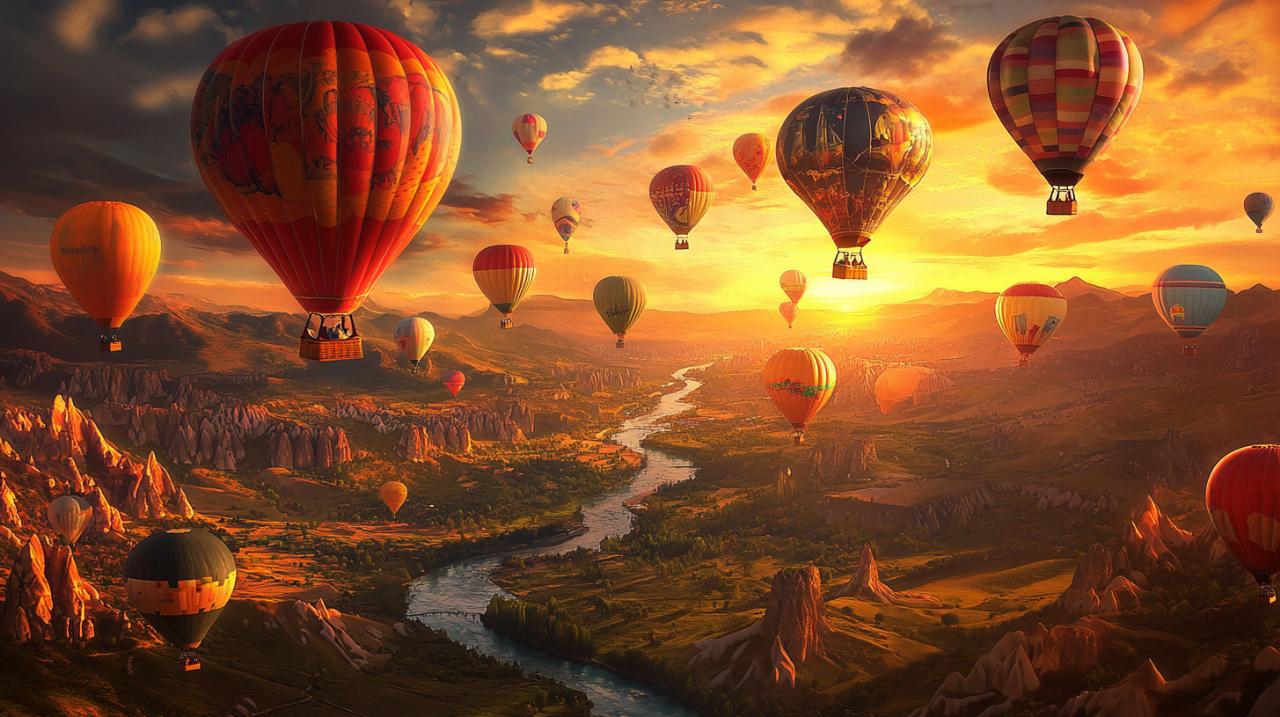
Among the most enriching exciting voyage options are those that prioritise meaningful cultural exchange over superficial observation. India's Golden Triangle, encompassing Delhi, Agra, and Jaipur, offers travellers a concentrated introduction to the subcontinent's architectural splendour, spiritual complexity, and culinary diversity. Yet the true depth of such journeys emerges when itineraries include time in rural villages, participation in traditional crafts, and meals shared with local families. These interactions transform abstract cultural concepts into personal relationships, fostering understanding that transcends guidebook descriptions.
African safaris have evolved beyond passive wildlife viewing to incorporate community-based conservation initiatives. In countries such as Kenya, Tanzania, and Botswana, responsible tour operators collaborate with indigenous communities, ensuring that tourism revenue supports local livelihoods and wildlife protection efforts. Travellers might spend mornings tracking elephants across savannah grasslands and evenings conversing with Maasai elders about their pastoral traditions and the challenges of coexisting with megafauna. Such programmes recognise that sustainable tourism must benefit both visitors and host communities, creating incentives for conservation whilst respecting cultural autonomy.
South American tours frequently incorporate visits to indigenous communities in the Amazon basin or the Andean highlands, where ancient knowledge systems remain vital to contemporary life. Participating in traditional ceremonies, learning sustainable farming techniques, or simply sharing stories around communal fires creates bridges across profound cultural divides. These experiences remind travellers that modernity offers just one of many valid approaches to human existence, and that different cultures have developed sophisticated solutions to life's fundamental questions.
Adventure activities beyond traditional tourist attractions
Physical challenges embedded within spectacular landscapes create powerful catalysts for personal growth and lasting memories. Walking and hiking expeditions range from gentle coastal paths to demanding alpine crossings, each offering distinct rewards. The Camino de Santiago in Spain attracts thousands who seek spiritual reflection alongside physical exertion, whilst treks through Nepal's Himalayas test endurance whilst revealing mountain vistas that defy comprehension. Biking adventures have emerged as increasingly popular ways to explore regions at a pace that allows genuine engagement with surroundings. Cycling through Vietnam's rural provinces, for instance, provides access to villages and agricultural landscapes that remain invisible from motorised routes.
Polar expeditions represent the ultimate frontier for adventure travellers, with Antarctica and the Arctic offering environments almost incomprehensible in their vastness and harshness. Voyages to Antarctica might include kayaking amongst icebergs, camping on the continent itself, or simply witnessing penguin colonies numbering in the hundreds of thousands. The Arctic presents different but equally compelling attractions, from the cultural richness of Greenland's Inuit communities to the dramatic landscapes of Spitsbergen, where polar bears outnumber human inhabitants. Such journeys require significant commitment and investment, yet participants consistently describe them as transformative experiences that recalibrate their understanding of nature's power and beauty.
Food and drink experiences have matured into legitimate adventure categories, with culinary tours offering insights into regional identities through their gastronomic traditions. Exploring night markets in Thailand, participating in wine harvests in France, or learning to prepare ceviche in Peru creates sensory memories that endure. These activities connect travellers to the land, to agricultural cycles, and to the creativity that transforms basic ingredients into cultural expressions. Moreover, sharing meals remains one of humanity's most fundamental social rituals, making culinary tourism a natural vehicle for cross-cultural connection.
The spectrum of extraordinary travel experiences continues to expand as infrastructure reaches previously inaccessible regions and as travellers seek ever more distinctive encounters. Whether drawn to the wildlife spectacles of the Galapagos, the historical weight of sites such as the Auschwitz concentration camps, or the pristine wilderness of New Zealand's backcountry, modern adventurers enjoy unprecedented opportunities to craft journeys reflecting their deepest interests and values. Planning such trips requires research, flexibility, and often the expertise of specialised tour operators who understand the logistics of complex itineraries. Yet the rewards, measured in personal growth, expanded perspectives, and memories that remain vivid for decades, justify the investment of time, energy, and resources. In an age when much of life has become predictable and mediated through screens, embarking on a genuine adventure offers a vital antidote, reconnecting individuals to the physical world and to the diverse tapestry of human cultures that continue to thrive across our remarkable planet.