
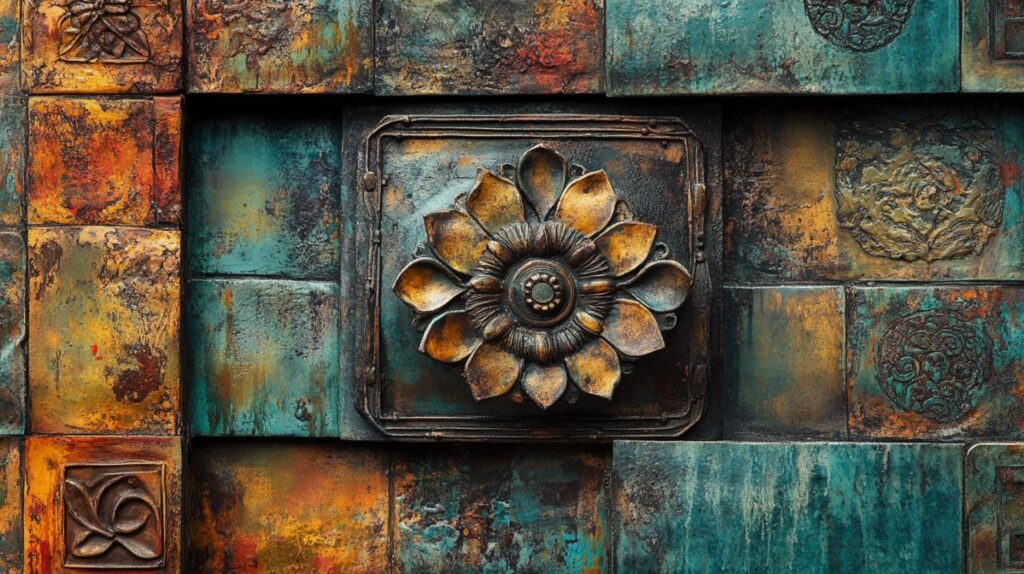
Metal forging has long captivated those who appreciate the marriage of raw strength and delicate artistry. Today, this ancient practice finds itself at a fascinating crossroads where centuries-old techniques meet bold contemporary vision, creating decoration pieces that tell stories of heritage whilst embracing the innovation of our age. As homeowners and designers seek authenticity in an increasingly mass-produced world, forged metalwork offers a compelling answer, transforming living spaces into galleries of functional beauty that honour the craftsman legacy whilst pushing creative boundaries.
Time-honoured blacksmithing techniques reimagined for modern spaces
The resurgence of interest in traditional craftsmanship has breathed new life into blacksmithing workshops across the country, where artisans dedicate themselves to preserving methods that might otherwise fade into obscurity. These skilled practitioners understand that each hammer strike carries forward knowledge accumulated over generations, yet they refuse to let their work become museum pieces. Instead, they channel this heritage preservation into creating objects that speak to contemporary sensibilities. When you explore the local culture of metalwork, you discover how communities value the tangible connection these handcrafted objects provide to our shared past, even as they adorn thoroughly modern interiors.
Revival of Traditional Forge-Welding in Contemporary Interior Accents
Forge-welding, that fundamental technique where metals bond under intense heat and pressure, has experienced a remarkable renaissance in recent years. Craftsmen now apply this ancient method to create architectural ironmongery and decorative ironwork that serves as statement pieces in minimalist lofts and period properties alike. The process demands patience and precision, qualities that result in joinery so seamless that the finished work appears grown rather than assembled. Contemporary designers commission bespoke stair railings where forged steel flows organically from floor to ceiling, each curve and twist revealing the artist's hand whilst maintaining structural integrity. Door furniture crafted through these forging techniques transforms the mundane act of entering a room into an encounter with artisan crafts, where handles and hinges become sculptural elements worthy of contemplation. The beauty lies not merely in aesthetic appeal but in the knowledge that such pieces will outlast their owners, developing character through decades of use rather than deteriorating.
Hand-hammered textures meeting minimalist aesthetic principles
The deliberate texture created by hand-hammering metal might seem at odds with the clean lines favoured in minimalist design, yet skilled artisans have discovered how to reconcile these apparent opposites. Wrought iron panels featuring subtle dimpled surfaces catch light in ways that polished materials cannot, adding depth and warmth to spaces that might otherwise feel austere. This approach to artistic metalwork respects the integrity of materials whilst exercising restraint in form. Console tables with hand-forged bases exemplify this balance, where the working surface remains unadorned whilst the supporting metalwork displays the rhythmic patterns left by the craftsman's hammer. Even smaller accent pieces such as copper jewellery holders or forged candle sconces demonstrate how traditional skills can produce objects that enhance rather than overwhelm contemporary interiors. The key lies in understanding that minimalism need not mean sterile uniformity but can instead celebrate the honest marks of making, where each variation in texture tells part of the creation story.
Innovative Applications of Forged Metalwork in Residential and Commercial Settings
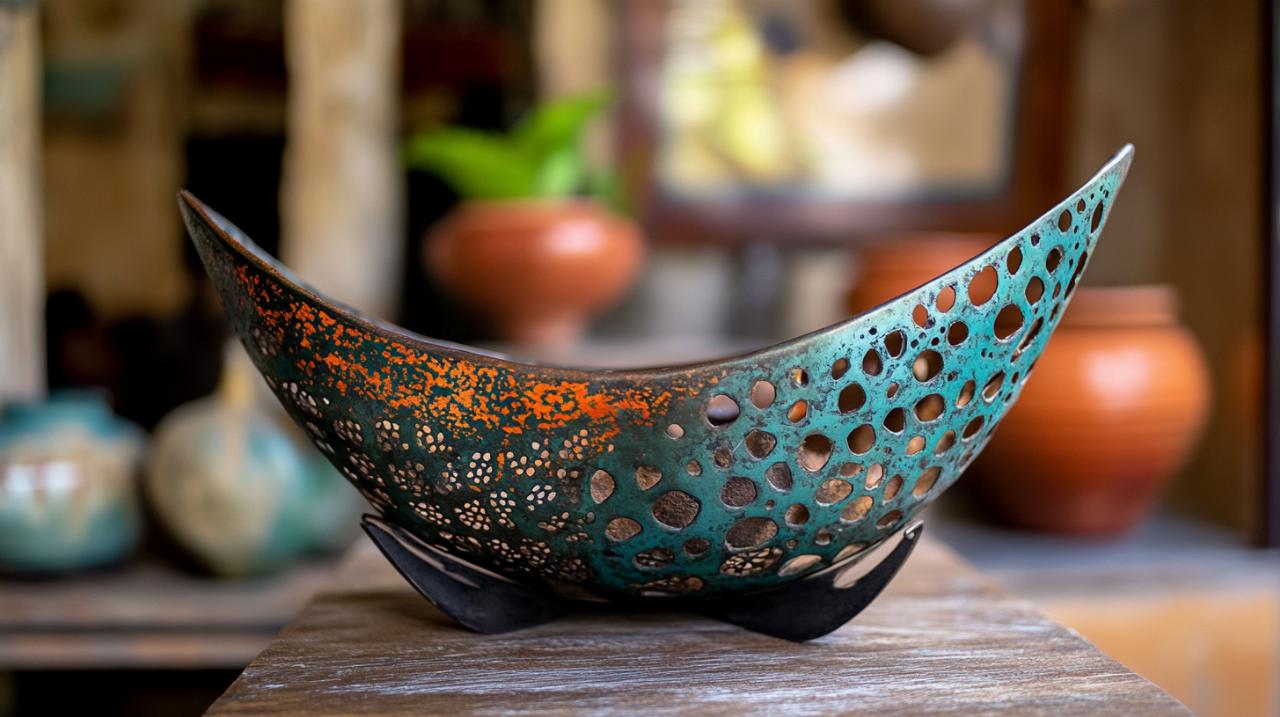
Beyond purely decorative functions, forged metal has found exciting new roles in both homes and public spaces, challenging our expectations of where such materials belong. Forward-thinking designers increasingly specify handcrafted metalwork for applications once dominated by industrial manufacturing, recognising that custom solutions often prove more satisfying than standardised alternatives. This shift reflects growing awareness of sustainable practices, as commissioning durable, repairable pieces from local craftspeople reduces reliance on disposable goods shipped across continents. Businesses seeking distinctive identities for their premises turn to metalwork specialists who can create signature elements that reinforce brand values whilst demonstrating commitment to heritage preservation and quality.
Bespoke architectural ironmongery blending heritage craftsmanship with avant-garde design
The term architectural ironmongery encompasses everything from window fittings to elaborate gates, and this breadth offers tremendous creative opportunity. Skilled metalworkers collaborate with architects to develop custom solutions that honour building character whilst introducing unexpected elements. A Victorian townhouse might receive a contemporary balustrade where traditional materials meet geometric patterns inspired by modern art, creating dialogue between eras rather than jarring contradiction. Commercial projects provide equally fertile ground for innovation, with restaurants commissioning sculptural room dividers forged from steel that serves both practical and aesthetic purposes. These larger installations often incorporate techniques learned through workshop experiences where craftspeople experiment with knife making and other specialised applications before scaling up to architectural commissions. The resulting pieces demonstrate how metalwork can define spatial experiences, guiding movement and framing views whilst asserting physical presence that lighter materials cannot match. Such projects require deep technical knowledge paired with artistic vision, qualities cultivated through years of dedicated practice at the forge.
Sculptural Forged Elements as Functional Art in Living Environments
Perhaps the most exciting development in contemporary metalwork involves pieces that transcend categories, functioning simultaneously as sculpture and practical furnishing. Imagine a coat stand where forged branches twist upward in organic forms that reference nature whilst providing robust hanging points, or a fireplace surround that frames flames with abstract compositions in blackened steel. These objects embody the artistic approach that distinguishes true craftsmanship from mere manufacture. Artists working in this space often draw inspiration from cultural heritage, reinterpreting historical motifs through contemporary lenses that make them relevant to current sensibilities. One might encounter a table base where traditional scrollwork has been abstracted into bold geometric forms, or lighting fixtures where hand-forged elements create shadow patterns as compelling as the illumination itself. Such pieces justify their place in interiors through beauty and utility in equal measure, inviting both use and contemplation. They represent the culmination of traditional craftsmanship meeting adventurous design thinking, proof that ancient techniques remain vibrant when practitioners refuse to be constrained by convention. For those fortunate enough to commission or acquire such works, they offer daily reminders that the human impulse to shape material into meaningful form remains as vital now as when the first smiths struck heated metal millennia ago.