
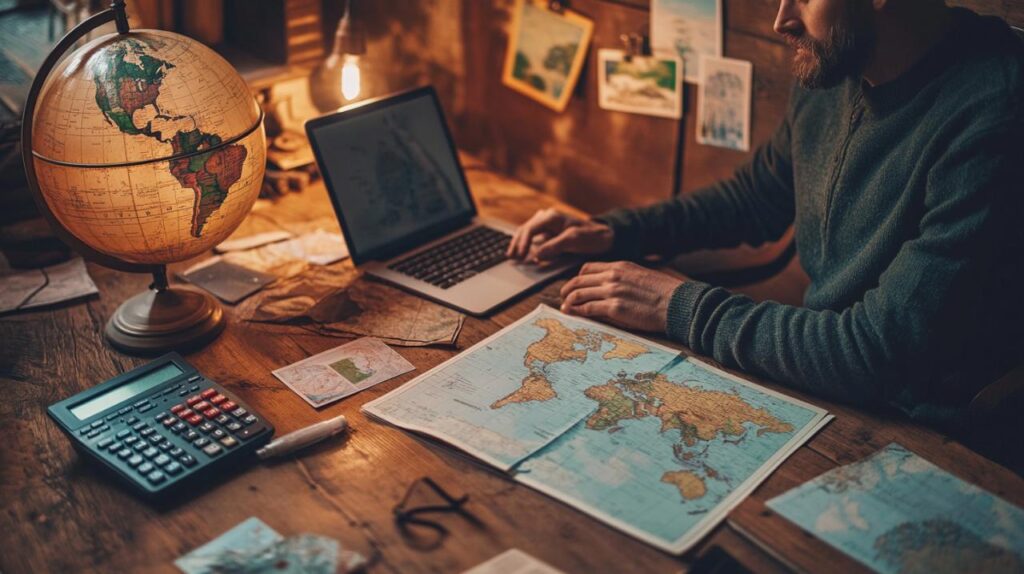
Setting off on a voyage, whether for leisure, adventure, or personal discovery, represents one of life's most enriching experiences. Yet, the excitement of exploring new destinations can quickly be overshadowed by financial stress if proper preparation is overlooked. Understanding how to manage your money effectively before and during your journey ensures that you can focus on creating lasting memories rather than worrying about unexpected expenses. With thoughtful preparation and strategic saving, your next adventure can be both fulfilling and financially responsible.
Establishing your travel budget and emergency reserves
One of the most crucial steps in preparing for any journey is determining how much money you will need and setting aside funds for unforeseen circumstances. A well-considered budget serves as the foundation for a stress-free experience, allowing you to enjoy your destination without constantly checking your bank balance. Incorporating financial planning for voyage into your overall wealth management strategy ensures that travel becomes a realistic and achievable goal rather than a distant dream.
Creating a comprehensive travel expense budget
Developing a detailed budget requires careful consideration of all potential costs associated with your trip. Accommodation, transportation, meals, activities, and souvenirs all contribute to the overall expense, and estimating these costs in advance helps prevent overspending. Begin by researching the average prices for lodging in your chosen destination, taking into account the type of accommodation that suits your comfort level and budget. Transportation costs, including flights, trains, or car hire, should be factored in early, as booking in advance often yields significant savings.
Meals and dining expenses can vary widely depending on the region and your personal preferences. Some travellers prefer to experience local cuisine at restaurants, while others may opt for self-catering to reduce costs. Activities and excursions, from guided tours to museum entries, should also be included in your budget. By itemising each category and assigning a realistic figure, you create a clear picture of your total financial commitment. This approach not only helps you save systematically but also enables you to make informed decisions about where to allocate your resources for maximum enjoyment.
Building a Robust Emergency Fund for Unexpected Situations
Even the most meticulously planned voyage can encounter surprises, from flight cancellations to sudden illness or lost luggage. Establishing an emergency fund specifically for travel provides a financial cushion that allows you to handle such situations with confidence. Financial advisors often recommend setting aside a portion of your travel budget, typically between ten and twenty percent, solely for emergencies. This fund should be kept separate from your main travel spending money and accessed only when genuinely necessary.
An emergency reserve not only covers unexpected expenses but also offers peace of mind, knowing that you are prepared for the unforeseen. Whether it is covering medical costs, arranging alternative transport, or replacing stolen belongings, having readily available funds can turn a potential disaster into a manageable inconvenience. This aspect of financial planning aligns with broader wealth management principles, emphasising the importance of risk management and preparedness in all areas of life, including leisure and personal pursuits.
Protecting your investment through insurance and cost research
Beyond budgeting and saving, protecting your financial investment in your voyage is essential. This involves both insuring against potential risks and conducting thorough research into the costs you will encounter at your destination. Travel insurance and a solid understanding of local expenses, including currency exchange strategies, are vital components of comprehensive travel preparation.

Evaluating travel insurance options and coverage
Travel insurance is often overlooked by those eager to embark on their journey, yet it represents one of the most prudent investments you can make. Policies vary widely in terms of coverage, from basic trip cancellation protection to comprehensive plans that include medical expenses, evacuation, and personal liability. Health insurance coverage is particularly important when travelling abroad, as your domestic policy may not extend to international destinations. Medical evacuation coverage can be a lifesaver in remote areas where local healthcare facilities may be limited or inadequate.
When evaluating insurance options, consider the nature of your trip and the specific risks involved. Adventure travellers engaging in activities such as skiing, diving, or hiking in remote regions may require specialised coverage. Families travelling with children should ensure that their policy includes adequate medical and emergency support for all members. Reading the terms and conditions carefully, and understanding what is and is not covered, prevents unpleasant surprises should you need to make a claim. Investing in quality travel insurance is a key element of risk management and demonstrates a commitment to safeguarding both your health and your financial wellbeing.
Investigating destination expenses and currency exchange strategies
Understanding the cost of living and typical expenses in your destination is fundamental to effective financial planning. Prices for accommodation, food, transport, and entertainment can differ dramatically from one country to another, and even between cities within the same nation. Conducting thorough research before departure allows you to adjust your budget accordingly and avoid unpleasant financial shocks upon arrival. Online resources, travel forums, and local tourism websites offer valuable insights into current pricing and can help you identify areas where you might save money.
Currency exchange is another critical consideration that can significantly impact your overall travel costs. Exchange rates fluctuate constantly, and obtaining the best rate requires strategic planning. Avoid exchanging money at airports or hotels, where rates are typically less favourable, and instead use local banks or reputable exchange services. Many travellers find that using a credit or debit card with low or no foreign transaction fees offers convenience and competitive rates. It is also wise to carry a small amount of local currency for immediate needs upon arrival, such as transport or tips, while relying on cards for larger purchases.
Monitoring exchange rates in the weeks leading up to your departure can help you choose the optimal time to convert your funds. Some financial institutions offer the option to lock in a rate in advance, providing certainty and protection against unfavourable shifts. By combining careful research with smart currency strategies, you ensure that your money goes further, allowing you to enjoy more of what your destination has to offer.
Embarking on a voyage is an investment in experiences, personal growth, and wellbeing. By prioritising savings strategies, establishing emergency reserves, securing appropriate insurance, and researching destination costs thoroughly, you lay the groundwork for a journey that is both memorable and financially sound. Thoughtful financial planning transforms travel from a luxury into an achievable goal, enabling you to explore the world with confidence and peace of mind. Whether your next adventure takes you across continents or simply to a new corner of your own country, the principles of prudent financial management will serve you well, ensuring that your focus remains on the joy of discovery rather than the worry of expenses.