
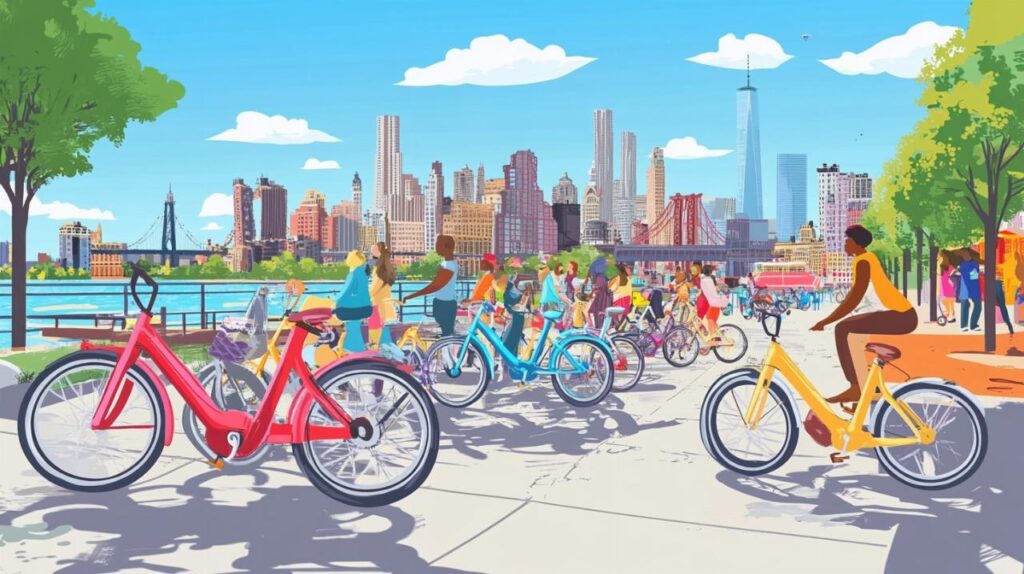
As urban landscapes evolve and the call for greener transport solutions intensifies, bike-sharing programs have emerged as a beacon of hope for cities striving to reduce their environmental footprint. These schemes, which allow residents and visitors to rent bicycles for short trips, have gained momentum across continents, each city adapting the concept to fit its unique cultural and infrastructural context. From the bustling streets of London to the sprawling avenues of New York and the historic lanes of Paris, bike-sharing has become synonymous with sustainable urban living. This comparative exploration delves into how these initiatives are reshaping our relationship with city travel, the tangible environmental benefits they deliver, and the hurdles they must overcome to truly continue the journey with us towards a cleaner, more accessible future.
The environmental impact of bike-sharing schemes
The proliferation of bike-sharing systems across the globe has ushered in a new era of conscious commuting, where individuals actively choose pedal power over petrol. This shift is not merely symbolic but carries profound implications for our planet. By offering an alternative to motor vehicles, these programs play a pivotal role in curbing greenhouse gas emissions and fostering a culture of environmental responsibility. Cities that have embraced bike-sharing are witnessing measurable changes in air quality and a collective commitment to reducing their carbon footprints.
Reducing carbon footprints through pedal power
One of the most compelling arguments in favour of bike-sharing is its direct contribution to lowering carbon emissions. Traditional modes of transport, particularly private cars and diesel-powered buses, release substantial amounts of carbon dioxide into the atmosphere. In contrast, bicycles produce zero emissions, making every journey taken on two wheels a small yet significant victory for the environment. Studies from various metropolitan areas have demonstrated that regular use of shared bicycles can replace a notable percentage of short car trips, which are often the least fuel-efficient and most polluting. When multiplied across thousands of users and countless daily trips, the cumulative effect on a city's carbon footprint becomes both impressive and encouraging. Moreover, the visibility of bike-sharing docking stations and the sight of cyclists navigating urban streets serve as constant reminders of the viable alternatives to fossil fuel dependency. This cultural shift, where cycling becomes normalised and celebrated, further amplifies the environmental benefits by inspiring more people to leave their cars at home.
Alleviating urban congestion and air quality improvements
Beyond the reduction of carbon emissions, bike-sharing schemes have proven instrumental in easing the relentless congestion that plagues many modern cities. Traffic jams not only waste time and fuel but also contribute to elevated levels of air pollutants, including nitrogen oxides and particulate matter, which pose serious health risks. By providing a swift and flexible mode of transport, bike-sharing encourages commuters to bypass gridlocked roads, thereby reducing the number of vehicles competing for limited road space. This shift alleviates pressure on public transport systems and roadways alike, leading to smoother traffic flows and shorter journey times for all road users. The resulting improvements in air quality are particularly noticeable in densely populated urban centres, where the concentration of vehicles traditionally leads to hazardous pollution levels. Residents in areas with robust bike-sharing networks often report clearer skies and a noticeable reduction in the acrid smell of exhaust fumes. Furthermore, the health benefits extend beyond cleaner air; regular cycling promotes physical fitness and mental wellbeing, creating a virtuous cycle of environmental and personal health gains. As cities continue to expand and populations grow, the role of bike-sharing in maintaining liveable, breathable urban environments becomes ever more critical.
Navigating the challenges facing bike-sharing initiatives

Despite the undeniable environmental and social advantages, bike-sharing programs are not without their difficulties. As these schemes scale and become embedded in the urban fabric, operators and city planners confront a range of practical challenges that threaten both the sustainability and inclusivity of the service. Addressing these issues is essential to ensure that bike-sharing remains a viable and equitable option for all residents, rather than a privilege enjoyed by a select few.
Addressing vandalism and maintenance concerns
One of the most persistent obstacles facing bike-sharing operators is the threat of vandalism and the associated burden of maintenance. Bicycles left in public spaces are vulnerable to theft, deliberate damage, and general wear and tear from constant use. Broken gears, punctured tyres, and missing seats are common complaints, and when bikes fall into disrepair, they not only frustrate users but also undermine confidence in the system. Operators must therefore invest significantly in regular inspections, repairs, and the replacement of damaged units, all of which require substantial financial and human resources. In some cities, acts of vandalism have been so severe that entire fleets have been taken out of service, leaving communities without access to this vital transport option. To combat these issues, many programs have turned to technology, employing GPS tracking and smart locks that deter theft and enable rapid identification of damaged bicycles. Public awareness campaigns also play a crucial role, fostering a sense of collective responsibility and encouraging users to report issues promptly. However, the balance between robust security measures and maintaining a user-friendly experience remains delicate, and ongoing innovation is necessary to protect both the infrastructure and the trust of the community.
Ensuring equitable bike availability across communities
Another pressing challenge is the equitable distribution of bicycles across diverse neighbourhoods. In many cities, bike-sharing docking stations and available bicycles tend to cluster in affluent, central districts, leaving peripheral and lower-income areas underserved. This geographic imbalance not only perpetuates existing inequalities but also limits the potential environmental and social impact of the schemes. Residents in underserved areas may rely more heavily on affordable, sustainable transport options, yet they often find themselves with limited access to bike-sharing facilities. Addressing this disparity requires deliberate planning and investment, with operators and local authorities working together to identify and prioritise areas in need. Dynamic redistribution strategies, where bicycles are regularly moved to ensure availability across all zones, have shown promise in some cities. Additionally, community engagement and feedback mechanisms are essential to understand local needs and barriers to usage. By actively working to bridge the gap between well-connected and neglected areas, bike-sharing programs can fulfil their promise of universal accessibility and contribute meaningfully to social equity. Ensuring that everyone, regardless of postcode or economic status, can continue the journey with us towards sustainable mobility is not just an operational challenge but a moral imperative for cities committed to inclusive urban development.