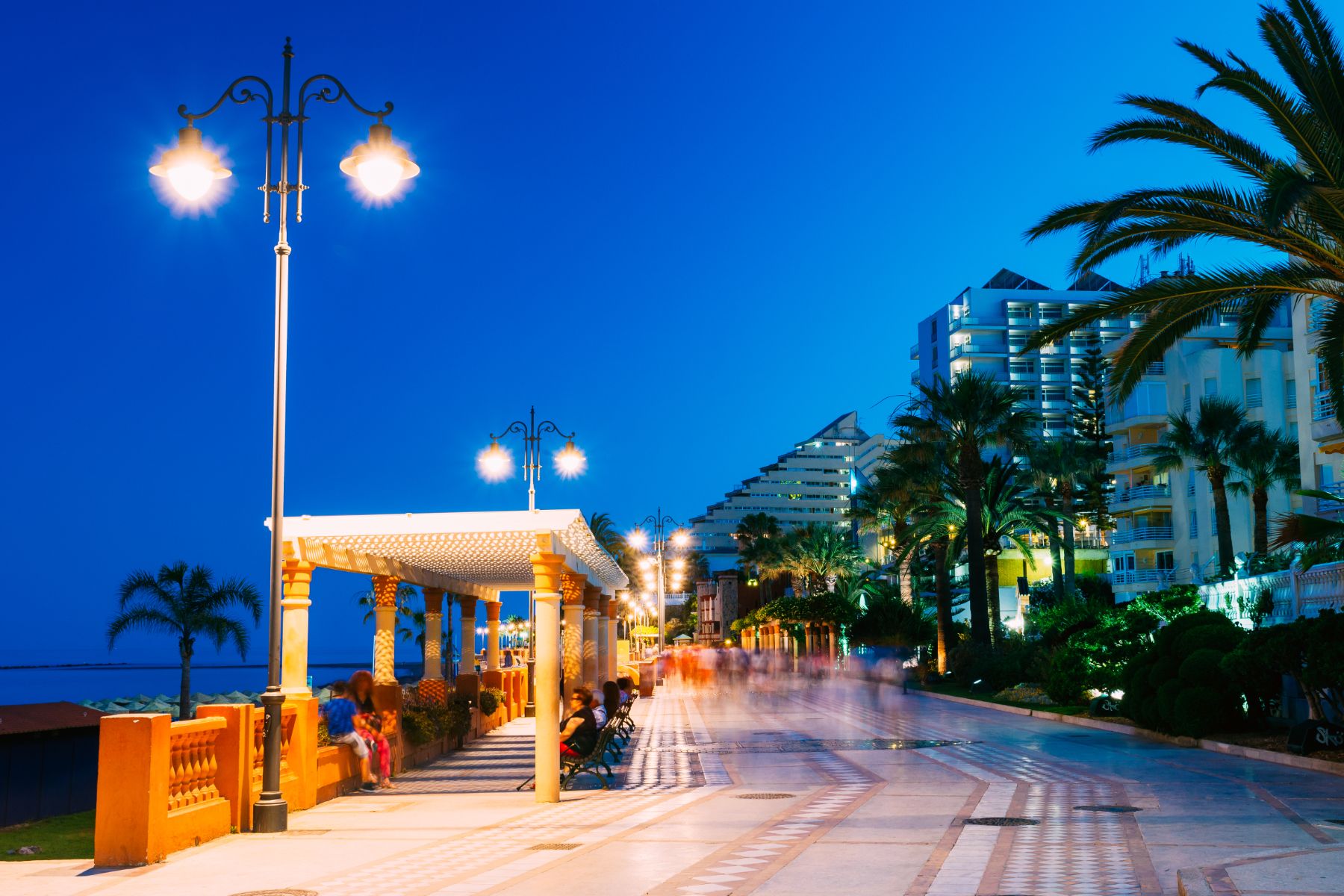
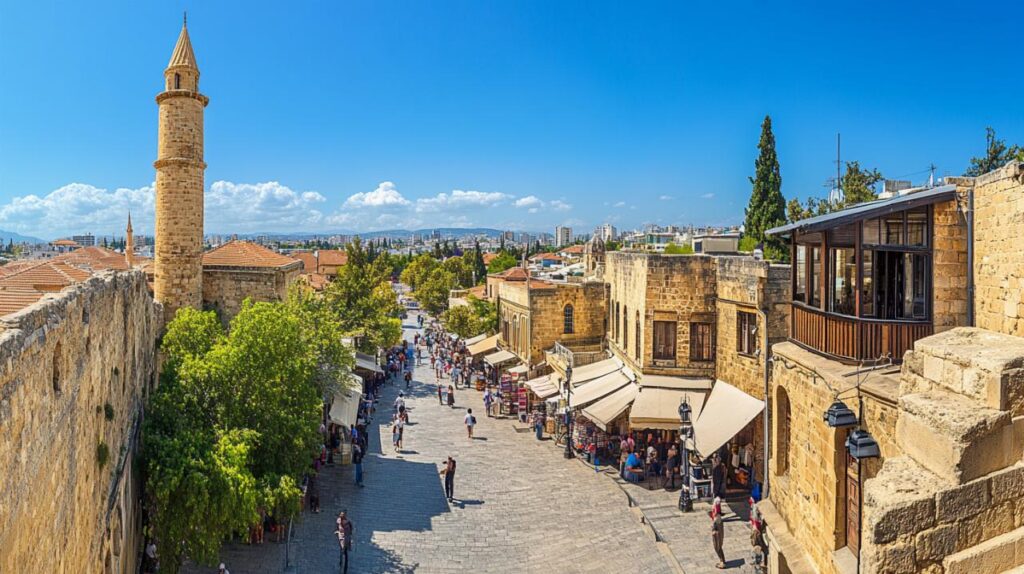
Nicosia, the last divided capital in Europe, stands as a fascinating crossroads where centuries of history converge beneath the Mediterranean sun. This vibrant city, nestled at the heart of Cyprus, offers travellers an extraordinary blend of Gothic grandeur, Ottoman elegance, and British colonial charm, all within the embrace of ancient Venetian walls. Over three unforgettable days, visitors can wander through narrow cobbled lanes, admire towering Gothic arches transformed by history, and savour the rich flavours of traditional Cypriot hospitality. Whether you're drawn to medieval fortifications, Byzantine treasures, or the lively hum of local markets, Nicosia promises an adventure that weaves together the past and present in captivating harmony.
Day one: exploring nicosia's historic heart and venetian fortifications
The first day in Nicosia offers an ideal introduction to the walled city, a testament to centuries of resilience and transformation. The Venetian fortifications that encircle the old town are among the finest examples of Renaissance military architecture in the eastern Mediterranean. These sturdy walls, built in the sixteenth century to defend against Ottoman expansion, remain largely intact and serve as a dramatic gateway into the city's layered history. Walking along the fortifications, visitors can appreciate the strategic design of bastions and gates that once protected the city's inhabitants.
Morning Wander Through the Walled City and Famagusta Gate
Begin your exploration at the Famagusta Gate, one of the three original entrances to the old city. This impressive structure, meticulously restored, now functions as a cultural venue hosting exhibitions and events. The gate's grand arches and vaulted passageways evoke the engineering prowess of the Venetian builders. Beyond the gate, the walled city unfolds in a labyrinth of streets where traditional Cypriot houses stand shoulder to shoulder, their wooden balconies and stone façades whispering stories of generations past. As you meander through these alleys, the scent of fresh bread from local bakeries mingles with the earthy aroma of coffee brewing in family-run cafés. This area offers a glimpse into the daily rhythm of Nicosia, where modern life coexists with centuries-old traditions.
Afternoon Discovery of Ledra Street and the Buffer Zone Experience
As midday approaches, make your way to Ledra Street, the bustling commercial artery that has long been the beating heart of Nicosia. This pedestrian thoroughfare teems with shops, cafés, and restaurants, reflecting the cosmopolitan character of the capital. At the southern end of Ledra Street, visitors encounter one of the most poignant aspects of Nicosia's contemporary identity: the United Nations-controlled buffer zone that divides the city. Crossing through the checkpoint offers a unique opportunity to step between two distinct worlds within a single urban landscape. On the northern side, the character shifts subtly, with Turkish Cypriot culture adding its own flavour to the cityscape. This experience underscores the complex history and enduring hope for reunification that define modern Nicosia. After crossing back, take a moment to reflect at one of the rooftop cafés overlooking the buffer zone, where the juxtaposition of division and daily life becomes strikingly clear. The afternoon light casts a warm glow over the rooftops, and the panoramic views provide a perfect pause before the evening unfolds.
Day two: unveiling gothic splendour and byzantine heritage
The second day delves deeper into Nicosia's architectural and cultural treasures, revealing the Gothic and Byzantine legacies that have shaped the city's identity. This journey through time highlights the artistic and spiritual achievements of successive civilisations, each leaving an indelible mark on the urban fabric.
Gothic Architecture at Selimiye Mosque and Venetian Palaces
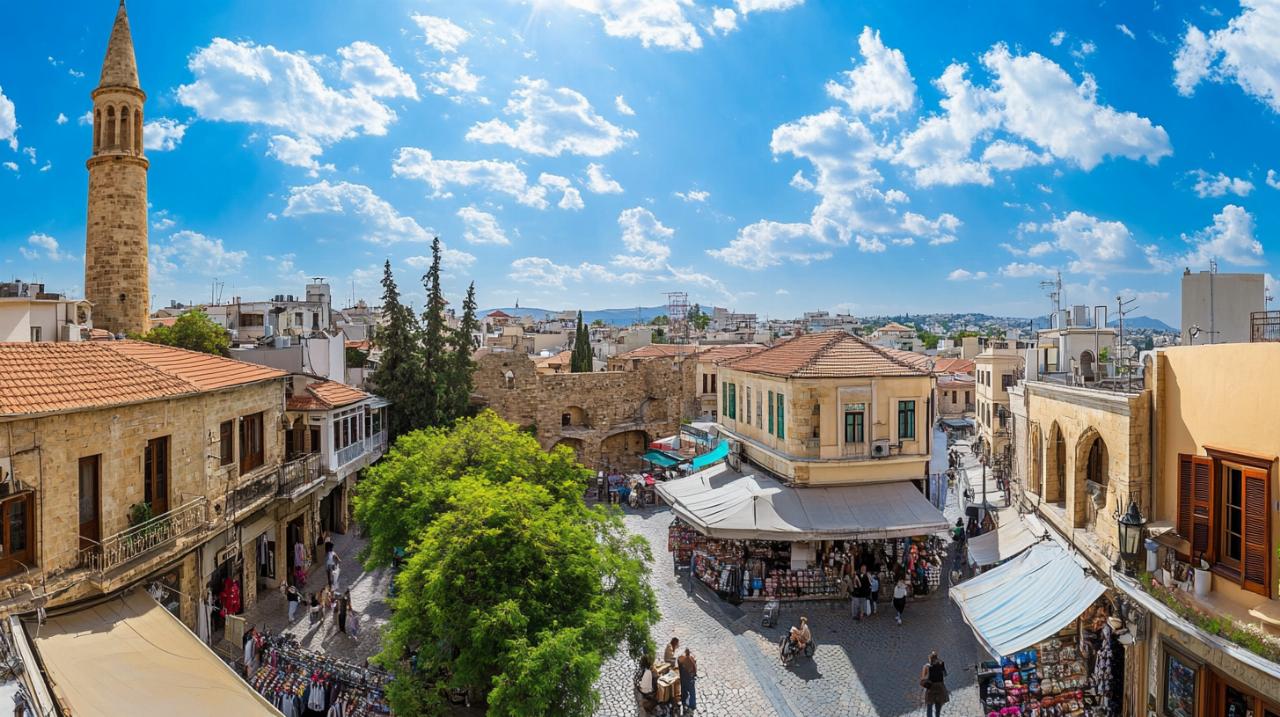
No visit to Nicosia would be complete without exploring the Selimiye Mosque, formerly the Cathedral of Saint Sophia. This magnificent structure stands as a striking example of Gothic architecture adapted to serve a different faith. Built in the thirteenth century during the Lusignan period, the cathedral was transformed into a mosque following the Ottoman conquest of 1570. The soaring Gothic arches and intricate stonework remain remarkably preserved, though the addition of twin minarets signals the building's new religious purpose. Inside, the vast nave inspires awe with its elegant proportions and the interplay of light filtering through high windows. Visitors are welcome to admire the interior, provided they respect the customs of the mosque. Nearby, remnants of Venetian palaces and administrative buildings further illustrate the architectural ambitions of the island's former rulers. These palaces, though partially ruined, retain fragments of ornate carvings and grand courtyards that hint at the opulence once enjoyed by the Venetian elite. Walking among these stones, one can almost hear the echoes of diplomatic gatherings and ceremonial processions that once animated these spaces.
Byzantine museum treasures and traditional cypriot quarter exploration
After immersing yourself in Gothic splendour, turn your attention to the Byzantine legacy housed within the city's museums. The Byzantine Museum, located near the Archbishop's Palace, boasts an exceptional collection of icons, frescoes, and religious artefacts spanning centuries of Christian devotion. These treasures, many rescued from churches across the island, offer insight into the spiritual and artistic life of Byzantine Cyprus. The delicate brushwork and vivid colours of the icons convey a sense of reverence and continuity that transcends the passage of time. Spend the afternoon wandering through the traditional Cypriot quarters, where narrow lanes wind between whitewashed houses adorned with vibrant bougainvillaea. Here, the pace slows, and the atmosphere feels almost timeless. Local artisans still practise age-old crafts, from pottery to lace-making, and their workshops welcome curious visitors. Engaging with these craftspeople provides a deeper appreciation for the skills and traditions that have sustained Cypriot culture through the ages. As the day draws to a close, consider pausing at a small courtyard café, where you can enjoy a traditional meze accompanied by a glass of Commandaria, the island's famed sweet wine, whilst watching the golden light bathe the ancient stones.
Day three: colonial legacy and authentic cypriot flavours
The final day of your Nicosia adventure invites you to explore the legacy of British colonial rule and to indulge in the authentic flavours that define Cypriot culinary culture. This blend of historical reflection and sensory pleasure offers a fitting conclusion to your journey through the capital.
British Colonial Architecture and the Cyprus Museum Collections
Begin the morning at the Cyprus Museum, the island's premier archaeological institution. Housed in a stately colonial-era building, the museum presents a comprehensive chronicle of Cyprus from the Neolithic period through to the Roman era. Its galleries are filled with exquisite pottery, sculptures, and jewellery that illuminate the island's role as a crossroads of ancient civilisations. Among the highlights are terracotta figurines from ancient sanctuaries and bronze artefacts that testify to the skill of Cypriot metalworkers. The museum's collection also includes Roman mosaics and statues that reveal the island's integration into the wider classical world. After exploring the museum, take a stroll through the surrounding streets to admire examples of British colonial architecture. Buildings constructed during the decades of British administration reflect a distinctive blend of Victorian sensibilities and adaptation to the Mediterranean climate. Wide verandas, tall shuttered windows, and elegant porticos characterise these structures, which now house government offices, cultural centres, and private residences. This architectural heritage serves as a reminder of yet another chapter in Nicosia's complex history, one marked by administrative reform and infrastructural development.
Taverna Dining and Artisan Workshops in Laiki Geitonia
As the afternoon arrives, make your way to Laiki Geitonia, a restored quarter within the old city that has been lovingly preserved to showcase traditional Cypriot life. This pedestrian-only neighbourhood is a delightful maze of cobblestone streets, lined with tavernas, artisan workshops, and souvenir shops. Here, the spirit of old Nicosia thrives, offering visitors an authentic taste of local culture. Step into one of the family-run tavernas for a leisurely lunch, where the menu features dishes passed down through generations. Savour slow-cooked stews, freshly grilled halloumi, and tender lamb seasoned with aromatic herbs. The warmth of Cypriot hospitality is palpable as proprietors share stories and recommendations, making every meal a memorable experience. After dining, wander through the artisan workshops where skilled craftspeople create everything from handwoven baskets to intricate silver jewellery. Watching these artisans at work provides a tangible connection to the island's cultural heritage and offers the perfect opportunity to purchase a unique memento of your visit. As the sun begins to set, find a quiet spot in one of the small squares, perhaps beside a centuries-old fountain, and let the ambience of Laiki Geitonia envelop you. The sounds of laughter, the clinking of glasses, and the distant strumming of a bouzouki create a symphony of Cypriot life that lingers long after you leave. This final evening in Nicosia encapsulates the essence of the city: a place where history is not merely preserved in museums and monuments but lives on in the daily rhythms of its people, their stories, and their traditions.