
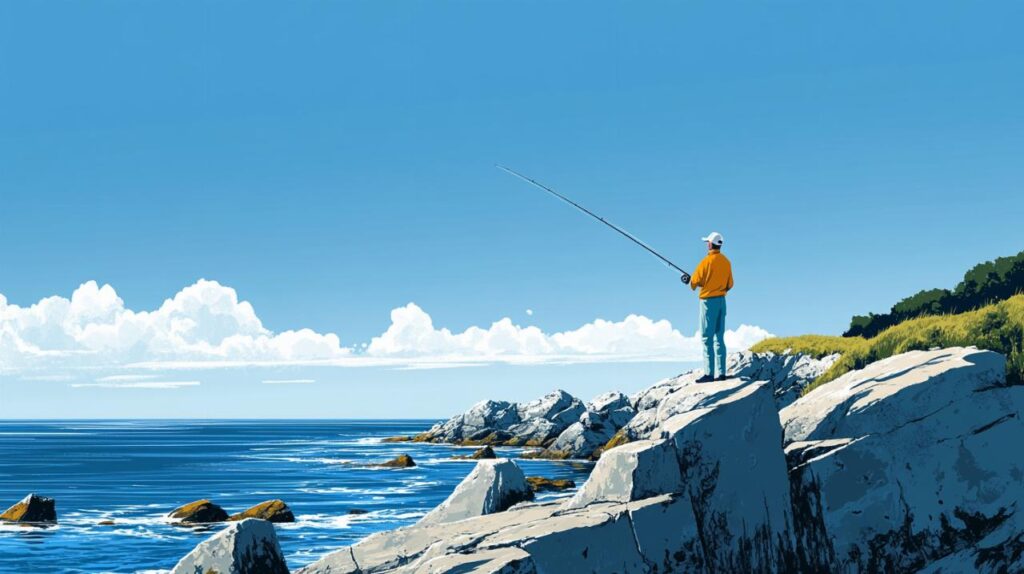
The rugged coastline of Britain offers some of the finest opportunities for anglers seeking the thrill of rockfish, a term that encompasses a variety of species thriving in the rocky outcrops and kelp-strewn waters that define our shores. From the South West to the Scottish isles, understanding the behaviour and habitat of these remarkable fish can transform a quiet day by the water into an unforgettable adventure. Whether you are drawn to the challenge of night fishing or the precision required for sport angling, this guide will equip you with the knowledge and techniques essential for success. Drawing on local expertise, sustainable practices, and the wisdom found in authoritative fishing resources, we explore everything from species identification to the best tackle for varying conditions. Along the way, we celebrate the connection between responsible angling and the broader appreciation of our marine environment, a theme echoed in the efforts of sustainable seafood advocates and the vibrant fishing communities scattered along our coast.
Understanding Rockfish Species and Identification in British Waters
Rockfish species found around the United Kingdom are as diverse as the habitats they inhabit. These fish favour rocky substrates, crevices, and kelp forests, where they find shelter and abundant prey. Anglers familiar with the South West coastline, from Brixham to Plymouth and extending to locations such as Lyme Regis and Weymouth, know that each stretch of water presents unique opportunities. The term rockfish can refer to various species, and accurate identification is crucial not only for compliance with local regulations but also for understanding the ecological role these fish play. Seasonal shifts in water temperature and food availability influence the movement and behaviour of rockfish, making it essential to study local fishing leaflets and species lists available at specialist outlets. One such resource is Tackle & Books, located on Main Street in Tobermory on the Isle of Mull, which provides detailed fish identification guides and local fishing information to help anglers distinguish between species with confidence.
Distinguishing between rockfish varieties found around the uk coastline
Identifying rockfish varieties requires attention to subtle differences in coloration, fin structure, and body shape. Many species exhibit mottled patterns that help them blend seamlessly with rocky surroundings, while others display distinctive markings that can be used as identification markers. Anglers should familiarize themselves with the key features of common varieties, noting differences in dorsal fin spines, eye position, and lateral line patterns. Local fishing communities, particularly those in towns such as Dartmouth, Exmouth, and Salcombe, often share valuable insights through informal networks and specialized shops. Resources provided by establishments like Tackle & Books, which operates with extended summer hours from April to October and reduced winter hours from November to March, offer a wealth of knowledge. These outlets stock books and gifts that cover species identification in detail, ensuring that both novice and experienced anglers can refine their skills. The importance of accurate identification extends beyond personal achievement; it supports sustainable fishing practices by enabling anglers to release protected or undersized fish unharmed, thereby contributing to the health of managed fisheries.
Seasonal Behaviour Patterns and Prime Fishing Zones for Targeting Rockfish
Seasonal behaviour patterns dictate the success of rockfish angling throughout the year. During warmer months, these fish become more active, venturing into shallower waters to feed and spawn. Prime fishing zones during this period include inshore reefs, rocky outcrops, and areas with abundant kelp cover, where prey species such as small crustaceans and baitfish are plentiful. As temperatures cool, rockfish often retreat to deeper, more sheltered locations, requiring anglers to adjust their tactics and explore different zones. Locations along the South West coast, including Torquay, Sidmouth, and Poole, offer diverse environments that cater to varying seasonal patterns. Understanding these shifts is enhanced by consulting local fishing leaflets and engaging with the angling community. Events such as the Tobermory Book Festival, scheduled for 2026, provide opportunities to connect with fellow enthusiasts and learn from experts. Additionally, the Isle of Mull and surrounding waters present unique challenges and rewards for those willing to explore further afield. Keeping abreast of seasonal changes and prime fishing zones ensures that your efforts are both productive and enjoyable, while also respecting the natural rhythms of the marine ecosystem.
Essential Techniques and Equipment for Successful Rockfish Angling
Successful rockfish angling hinges on the careful selection of techniques and equipment tailored to the specific conditions you encounter. The dynamic nature of British waters, with their variable tides, rocky substrates, and unpredictable weather, demands versatility and preparedness. Anglers must choose tackle that balances sensitivity with strength, allowing them to detect subtle bites while handling the powerful runs characteristic of rockfish. Lures play a pivotal role, as these fish are often enticed by movement and colour that mimic their natural prey. The choice of lure depends on factors such as water clarity, depth, and the species you are targeting. Techniques range from casting and retrieving near rocky structures to vertical jigging in deeper water, each requiring a distinct approach and mindset. Equipping yourself with the right gear not only increases your chances of a successful catch but also enhances your overall experience, allowing you to engage more fully with the environment. Drawing on lessons learnt from seasoned anglers and authoritative guides, this section explores the essential elements of tackle selection and proven methods that have stood the test of time.

Selecting the Right Lures and Tackle for Different Water Conditions
Selecting the right lures and tackle is a nuanced process that takes into account the specific characteristics of the water you are fishing. In clear, calm conditions, subtle lures with natural colours can be highly effective, as rockfish are often cautious and selective. Conversely, in murky or turbulent water, brighter, more aggressive lures that create vibration and flash may be necessary to attract attention. Soft plastics, metal jigs, and swimbaits are popular choices among anglers targeting rockfish, each offering distinct advantages depending on the situation. Tackle must be robust enough to withstand the abrasive nature of rocky environments, where lines and hooks are prone to snagging and wear. Braided line is favoured for its strength and sensitivity, allowing anglers to feel even the lightest of bites and maintain better control over their presentation. Rods should offer a balance of flexibility and backbone, enabling precise casting and the power needed to extract fish from tight spots. Consulting resources such as those available at Tackle & Books, where a variety of books and gifts related to fishing are stocked, can provide valuable insights into the latest techniques and equipment innovations. The shop, contactable at 01688 302336 or via email at [email protected], serves as a hub for anglers seeking expert advice and quality gear tailored to local conditions.
Proven Methods for Night Fishing and Sport Angling Approaches
Night fishing presents a unique set of challenges and rewards, with rockfish often becoming more active after dark as they take advantage of reduced light to hunt prey. This approach requires careful planning, including the selection of appropriate lighting to navigate safely and locate productive spots, as well as lures that stand out in low visibility. Glow-in-the-dark lures and those that incorporate luminescent materials can be particularly effective, drawing strikes from fish that are otherwise difficult to tempt during daylight hours. Safety is paramount when fishing at night, so always inform someone of your plans and carry essential equipment such as a headlamp, first aid kit, and a fully charged mobile phone. Sport angling approaches, meanwhile, emphasize skill, finesse, and ethical practices, with many anglers adopting catch and release principles to ensure the sustainability of rockfish populations. Techniques such as light tackle fishing, where anglers use minimal gear to maximize the challenge and enjoyment, have gained popularity. These methods align with the broader movement towards responsible sourcing and sustainability, values championed by organizations and businesses committed to protecting marine environments. The lessons learnt from dedicated anglers and experts, including those shared through community events and specialist shops like Tackle & Books, continue to shape modern sport angling practices, ensuring that the pursuit of rockfish remains both thrilling and sustainable.
Best Practices and Expert Resources for Rockfish Fishing Enthusiasts
Adopting best practices is essential for any angler committed to both personal success and the long-term health of fish stocks. Rockfish, like many marine species, are vulnerable to overfishing and habitat degradation, making it imperative that anglers act responsibly. This includes adhering to local regulations regarding size limits and catch quotas, handling fish carefully to minimize injury, and releasing undersized or protected species promptly. Education plays a critical role in fostering a culture of sustainability, with resources such as local fishing leaflets and fish identification guides providing the foundation for informed decision-making. Engaging with the angling community through events and workshops further enhances knowledge and skills, creating opportunities to learn from those with years of experience. Establishments such as Tackle & Books, situated at 6-8 Main Street in Tobermory on the Isle of Mull, offer a wealth of resources including books, gifts, and expert advice, serving as a vital link between anglers and the information they need. By embracing best practices and seeking out authoritative guidance, anglers contribute to the preservation of our marine heritage while enjoying the rich rewards of rockfish fishing.
Seasonal considerations and environmental factors affecting your catch
Seasonal considerations and environmental factors are central to planning successful fishing trips, as they directly influence fish behaviour and availability. During the warmer months, from April to October, rockfish are generally more active and accessible, making this period ideal for targeting them in shallower waters. However, warmer weather can also lead to increased angling pressure, requiring a strategic approach to find less crowded spots. Conversely, the winter months from November to March often see rockfish retreating to deeper, more protected areas, where conditions are more stable. Anglers must adapt their techniques accordingly, using heavier tackle and exploring deeper zones to maintain success. Environmental factors such as tidal movements, water clarity, and weather patterns also play a crucial role. Strong tides can stir up sediment and alter fish behaviour, while calm, clear conditions may require more subtle presentations. Keeping track of these variables and adjusting your approach in response is a hallmark of an experienced angler. Resources provided by local fishing outlets, including those found at Tackle & Books, which operates with varying hours depending on the season, ensure that anglers have access to up-to-date information and advice tailored to current conditions. By paying close attention to seasonal and environmental factors, you can maximize your chances of a rewarding catch while respecting the natural rhythms of the marine ecosystem.
Learning from Preben Dahlstrom's Work and Other Authoritative Fishing Guides
Learning from authoritative fishing guides is a time-honoured tradition among anglers, providing insights that go beyond basic techniques to encompass the philosophy and ethics of the sport. Preben Dahlstrom, a respected author in the field, has contributed significantly to the understanding of various fish species and angling methods, offering readers a blend of practical advice and deeper ecological awareness. His work, alongside other comprehensive guides available through specialist retailers, serves as an invaluable resource for those seeking to deepen their knowledge and refine their skills. Books covering topics from species identification to advanced techniques are available at outlets such as Tackle & Books, where a carefully curated selection ensures that anglers have access to the best information. The shop, located in Tobermory on the Isle of Mull, can be contacted by telephone at 01688 302336 or via email at [email protected], and offers a welcoming environment for both browsing and learning. Engaging with these resources not only improves individual performance but also fosters a broader appreciation for the marine environment and the importance of sustainable practices. Events such as the Tobermory Book Festival in 2026 further highlight the cultural and educational significance of fishing literature, bringing together enthusiasts to share stories, exchange knowledge, and celebrate the rich traditions of angling. By drawing on the wisdom of experts like Preben Dahlstrom and the resources available through dedicated fishing shops, anglers can continue to evolve their craft, ensuring that the pursuit of rockfish remains both challenging and deeply rewarding. The commitment to learning and continuous improvement is what separates the casual hobbyist from the true enthusiast, and it is this dedication that sustains the vibrant fishing communities scattered along our coast.