
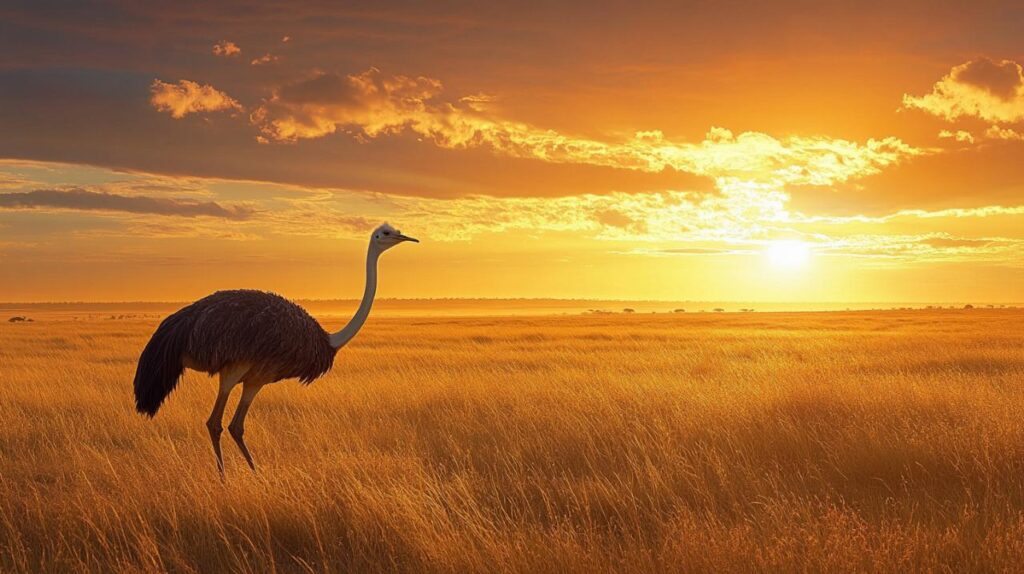
Kenya stands as one of Africa's premier destinations for encountering extraordinary wildlife, and among its many natural treasures, the common ostrich reigns as the largest bird on the planet. This flightless giant, with its striking appearance and fascinating behaviour, roams the sweeping savannahs and arid landscapes that characterise much of this East African nation. For travellers eager to witness these magnificent creatures in their natural habitat, Kenya offers unparalleled opportunities through its diverse ecosystems, world-renowned national parks, and expertly guided safari experiences. Whether you are an avid birdwatcher or simply captivated by the wonders of the natural world, planning a safari to see ostriches in Kenya promises an unforgettable adventure.
Understanding the common ostrich: africa's flightless giant
The common ostrich is a remarkable bird that commands attention wherever it appears. Native to the African continent, this species has adapted to life in open grasslands, semi-arid plains, and scrublands, where its powerful legs and keen eyesight provide both speed and vigilance against predators. Unlike most birds, the ostrich cannot fly, but it compensates with an incredible running ability, reaching speeds of up to 70 kilometres per hour. This combination of size and agility makes it a truly unique member of the avian world.
Distinctive Features and Sexual Dimorphism in Ostriches
One of the most captivating aspects of the common ostrich is the pronounced sexual dimorphism between males and females. Males are instantly recognisable by their striking black plumage, which contrasts sharply with the white feathers on their wings and tail. These bold colours play an essential role during courtship displays, where males perform elaborate dances to attract females. In contrast, female ostriches wear a more subdued palette of brown and grey feathers, a colouration that provides effective camouflage when nesting on the ground. This difference in appearance extends beyond colour to size as well, with males typically being slightly larger and heavier than their female counterparts. The beak of an ostrich is broad and flat, perfectly suited for grazing on grasses, seeds, and occasionally insects. Their long necks and towering height, which can exceed two metres, allow them to survey the landscape for threats, making them one of the most vigilant species in the wild.
The Ecological Importance of Ostriches in African Ecosystems
Ostriches play a vital role in maintaining the health and balance of African ecosystems. As herbivores, they contribute to seed dispersal across vast distances, helping to regenerate plant communities and support biodiversity. Their grazing habits also influence vegetation structure, creating habitats that benefit other wildlife species. Furthermore, ostriches serve as prey for large predators such as lions and hyenas, forming an integral part of the food web. Their eggs, the largest of any living bird, are also targeted by scavengers and smaller predators, adding another layer to their ecological significance. Beyond their direct impact on the environment, ostriches have become symbols of African wilderness and are a key attraction for tourists visiting Kenya. This interest in ostrich sightings supports conservation efforts and generates revenue that funds habitat protection and anti-poaching initiatives. The presence of healthy ostrich populations is often an indicator of well-managed ecosystems, underscoring their importance to both nature and the communities that depend on wildlife tourism.
Top kenyan safari destinations for ostrich encounters
Kenya is blessed with a variety of national parks and reserves where ostriches thrive, offering visitors countless opportunities to observe these majestic birds in their natural surroundings. The country's commitment to conservation and sustainable tourism ensures that wildlife habitats remain protected, allowing ostriches and other species to flourish. Planning a safari to see ostriches involves choosing the right destinations, understanding seasonal variations, and selecting reputable tour operators who can enhance your experience with expert knowledge and guidance.
Masai Mara and Amboseli: Prime Locations for Spotting Ostriches
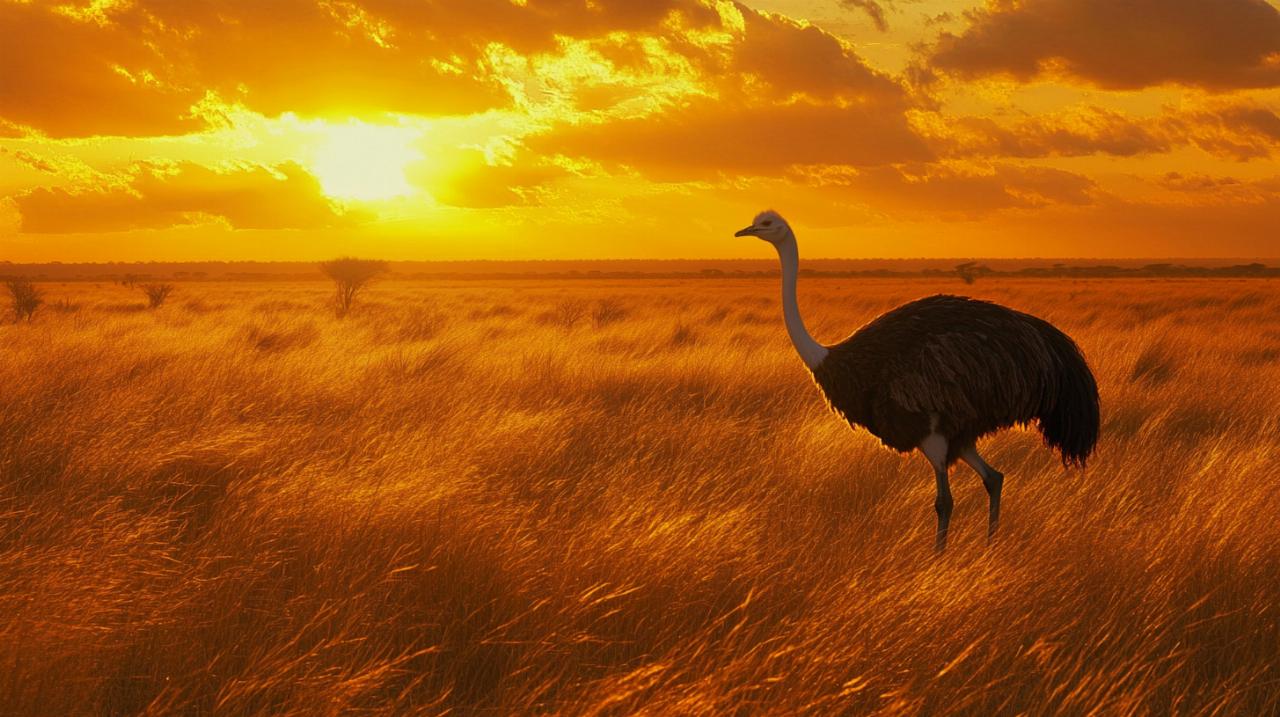
The Masai Mara is arguably Kenya's most famous wildlife reserve, celebrated for its breathtaking landscapes and abundant animal populations. Spanning over 1,500 square kilometres, this iconic reserve is home to the Big Five and hosts the annual wildebeest migration, a natural spectacle involving over one million wildebeest and 200,000 zebras. Amidst this dramatic backdrop, ostriches are a common sight, often seen striding across the golden plains or gathering in small groups near waterholes. The Masai Mara's open grasslands provide ideal conditions for ostriches, allowing them to forage and move freely while remaining vigilant against predators. Game drives in the Masai Mara offer excellent opportunities to photograph these birds in action, whether they are feeding, courting, or simply surveying their surroundings with their characteristic alertness. Amboseli National Park, located in the shadow of Mount Kenya's towering peak, is another exceptional destination for ostrich encounters. Known for its large elephant herds and stunning views of Africa's second-highest mountain, Amboseli also boasts a thriving ostrich population. The park's varied habitats, ranging from wetlands to dry plains, attract a wide array of bird species, making it a haven for birdwatching enthusiasts. Ostriches in Amboseli are often observed alongside zebras, giraffes, and gazelles, creating picturesque scenes that epitomise the beauty of East African wildlife. The park's accessibility and well-maintained infrastructure make it a popular choice for travellers seeking a comprehensive safari experience.
Planning your safari: best seasons and guided tour options
Timing your visit to Kenya can significantly enhance your chances of witnessing ostriches and other wildlife in their most active states. The country experiences two primary rainy seasons, with long rains occurring from March to June and short rains from October to December. While these periods bring lush vegetation and vibrant landscapes, they can also make some areas challenging to navigate. For optimal wildlife viewing, the dry seasons, particularly from July to September and January to February, are considered ideal. During these months, animals congregate around water sources, making them easier to spot and photograph. Additionally, these periods coincide with the wildebeest migration in the Masai Mara, offering a chance to witness one of nature's greatest spectacles alongside your ostrich observations. Guided tour packages provide invaluable support for safari planning, ensuring that logistical details such as accommodation, transportation, and park entry fees are handled seamlessly. A typical Kenya wildlife safari might span around two weeks, encompassing visits to multiple national parks and reserves, including Kakamega Forest, the Great Rift Valley lakes such as Baringo, Nakuru, and Naivasha, and the renowned Masai Mara. Accommodation options range from comfortable lodges to luxury tented camps, each offering unique perspectives on Kenya's natural beauty. Meals, game drives, boat rides, and expert guides are often included in tour packages, allowing travellers to focus on the experience without worrying about the finer details. It is also advisable to consider health precautions such as malaria prevention, necessary vaccinations, and travel insurance to ensure a safe and enjoyable journey. Arriving a day early in Nairobi, Kenya's bustling capital, provides an opportunity to acclimatise and explore one of the world's most bird-rich cities, with over 600 species recorded within its boundaries.
Comparing the World's Largest Birds: From Ostriches to Albatrosses
While the common ostrich holds the title of the largest bird by weight and height, other avian giants command attention through different measures of size and grandeur. Understanding the diversity among the world's largest birds enriches the appreciation of the ostrich's unique place in the animal kingdom and highlights the incredible variety of birdlife across the globe.
Size variations: weight, wingspan, and height across giant bird species
The common ostrich is unrivalled when it comes to sheer bulk and stature, with adult males weighing up to 160 kilograms and standing over 2.7 metres tall. This makes the ostrich not only the largest living bird but also one of the tallest land animals in Africa. However, when wingspan is considered, the wandering albatross takes precedence, boasting a wingspan that can exceed 3.5 metres, the longest of any living bird. These majestic seabirds spend much of their lives gliding over the open ocean, using their expansive wings to soar effortlessly across vast distances. In South America, the Andean condor is celebrated for its impressive wingspan, which can reach up to 3.2 metres, and its role as a symbol of power and freedom in the Andes. Despite their large wingspans, both albatrosses and condors are significantly lighter than ostriches, with condors weighing around 15 kilograms and albatrosses slightly less. Other large birds include the emu, native to Australia, which is the second-tallest bird after the ostrich, standing around 1.9 metres tall and weighing up to 60 kilograms. The cassowary, also found in Australia and New Guinea, is notable for its striking appearance and formidable claws, though it is smaller than both the ostrich and emu. Each of these species exhibits unique adaptations to their environments, from the ostrich's powerful legs designed for running to the albatross's aerodynamic wings built for gliding.
Habitat Differences: Where to Find Emus, Cassowaries, and Condors Worldwide
The habitats of the world's largest birds are as varied as the species themselves, reflecting the diverse ecosystems they inhabit. Ostriches are found across the open savannahs and semi-arid regions of Africa, with Kenya serving as one of the best locations to observe them in the wild. Emus roam the woodlands, grasslands, and scrublands of Australia, where they play a similar ecological role to ostriches, dispersing seeds and grazing on vegetation. Cassowaries inhabit the dense rainforests of northeastern Australia and New Guinea, where their elusive nature and preference for thick cover make them challenging to spot. These birds are crucial to their rainforest ecosystems, dispersing the seeds of large fruiting plants that few other animals can consume. Albatrosses, on the other hand, are pelagic birds, spending most of their lives flying over the world's oceans, only returning to land to breed on remote islands in the Southern Hemisphere. The Andean condor is associated with the mountainous regions of South America, particularly the Andes, where it soars above rugged peaks and deep valleys in search of carrion. Each of these birds has evolved to thrive in its specific environment, showcasing the remarkable adaptability of avian species. For travellers interested in encountering these giants, Kenya remains unmatched for its accessibility and the richness of its birdwatching opportunities, with over 1,165 recorded species, including 11 endemic varieties, making it a top destination for ornithologists and nature enthusiasts alike.