Brazil, the sprawling Federative Republic of the southern hemisphere, offers a fascinating tapestry of time zones that can intrigue and occasionally bewilder travellers. Spanning an impressive area with diverse landscapes from the Amazon rainforest to the vibrant urban centres of Rio de Janeiro and São Paulo, understanding the local time across this vast nation is essential for anyone planning a journey or coordinating activities. The country operates across four distinct time zones, which means that while it might be early evening in one region, another area could still be basking in the afternoon sun. This temporal complexity, combined with the rhythm of public holidays, shapes the daily life and routines of millions, making it crucial for visitors to grasp these nuances before embarking on their Brazilian adventure.
Understanding Brazil's Time Zones and Their Impact on Daily Life
Navigating the four distinct time zones across brazil
Brazil is home to four different time zones, each catering to the geographical and cultural diversity of the nation. The easternmost regions, which encompass the bulk of the population including cities like Rio de Janeiro and Brasilia, operate on Brasilia Time, which is three hours behind Coordinated Universal Time. This zone, often abbreviated as BRT, governs the daily schedules of the majority of Brazilians and is the reference point for most international communications and business dealings. Moving westward, the Amazon Time zone comes into play, covering states such as Mato Grosso, Mato Grosso do Sul, Rondonia, and much of the Amazon region. This zone is four hours behind Coordinated Universal Time, adding an extra hour of lag compared to the eastern seaboard.
Further west, the Acre Time zone serves the state of Acre and the western portion of the Amazon, operating five hours behind Coordinated Universal Time. This represents the most significant time difference within the country, and travellers arriving from the eastern cities may find themselves adjusting their watches by two full hours. On the far eastern side, the Fernando de Noronha Time zone covers the Atlantic islands, including the famous Fernando de Noronha archipelago, and is only two hours behind Coordinated Universal Time. This zone is relatively small in terms of population but is crucial for those visiting these remote and picturesque islands. The interplay of these zones means that coordinating meetings, flights, and travel itineraries requires careful attention, particularly for those planning trips that span multiple regions.
How regional time differences affect travel and communication
The regional time differences across Brazil have a tangible impact on both travel logistics and daily communication. For instance, a business professional in Rio de Janeiro scheduling a video conference with a colleague in the western Amazon must account for the one-hour time difference to ensure both parties are available. Similarly, travellers making connections at major airports such as São Paulo-Guarulhos International Airport or Rio de Janeiro-Galeão International Airport need to be mindful of the local time in their departure and arrival cities to avoid missing flights or spending unnecessary hours waiting. The time differential also influences transport schedules, as buses and domestic flights often adjust their timetables to align with local customs and peak travel periods.
For visitors from abroad, particularly those arriving from the United Kingdom, the time difference can be substantial. Brasilia, the capital, is typically four hours behind the UK, meaning that a morning departure from London could see travellers arriving in Brazil during the afternoon local time. This shift in hours can affect everything from jet lag to the timing of hotel check-ins and dinner reservations. Many seasoned travellers rely on smartphone applications and online time zone converters to stay updated on the precise local time in various Brazilian cities. These digital tools are invaluable for ensuring that plans run smoothly and that important appointments are not missed due to a simple miscalculation. Understanding these temporal shifts is not merely a matter of convenience but a fundamental aspect of enjoying a seamless and enriching Brazilian experience.
The Role of Public Holidays in Shaping Brazilian Daily Routines
National and Regional Public Holidays: What Travellers Need to Know
Public holidays in Brazil are a vibrant reflection of the country's rich history and cultural identity, and they play a significant role in shaping the daily routines of its residents. National holidays such as Tiradentes Day, celebrated on the twenty-first of April, honour the memory of a national hero who fought for Brazilian independence. Labour Day, observed on the first of May, recognises the contributions of workers across the nation and is marked by parades and gatherings in major cities. Additionally, Corpus Christi and other religious observances underscore the deep-rooted Catholic traditions that continue to influence Brazilian society. For travellers, being aware of these holidays is essential, as many businesses, government offices, and even some tourist attractions may close or operate on reduced hours during these festive periods.
Regional holidays further add to the complexity of planning a trip. For example, certain states and municipalities celebrate local heroes or historical events with their own public holidays, which may not be observed nationwide. This means that while Rio de Janeiro might be bustling with activity on a particular day, a neighbouring state could be in the midst of a public holiday with limited services. Visitors should consult local calendars and travel advisories to avoid disappointment. Many travel agencies, including those specialising in Brazilian tours such as Aventura do Brasil, provide detailed information on holiday schedules and can offer tailored itineraries that account for these variations. Knowing when public holidays occur allows travellers to plan their activities more effectively and to immerse themselves in the local festivities, which often feature colourful parades, traditional music, and communal celebrations.
How festive periods influence business hours and transport schedules
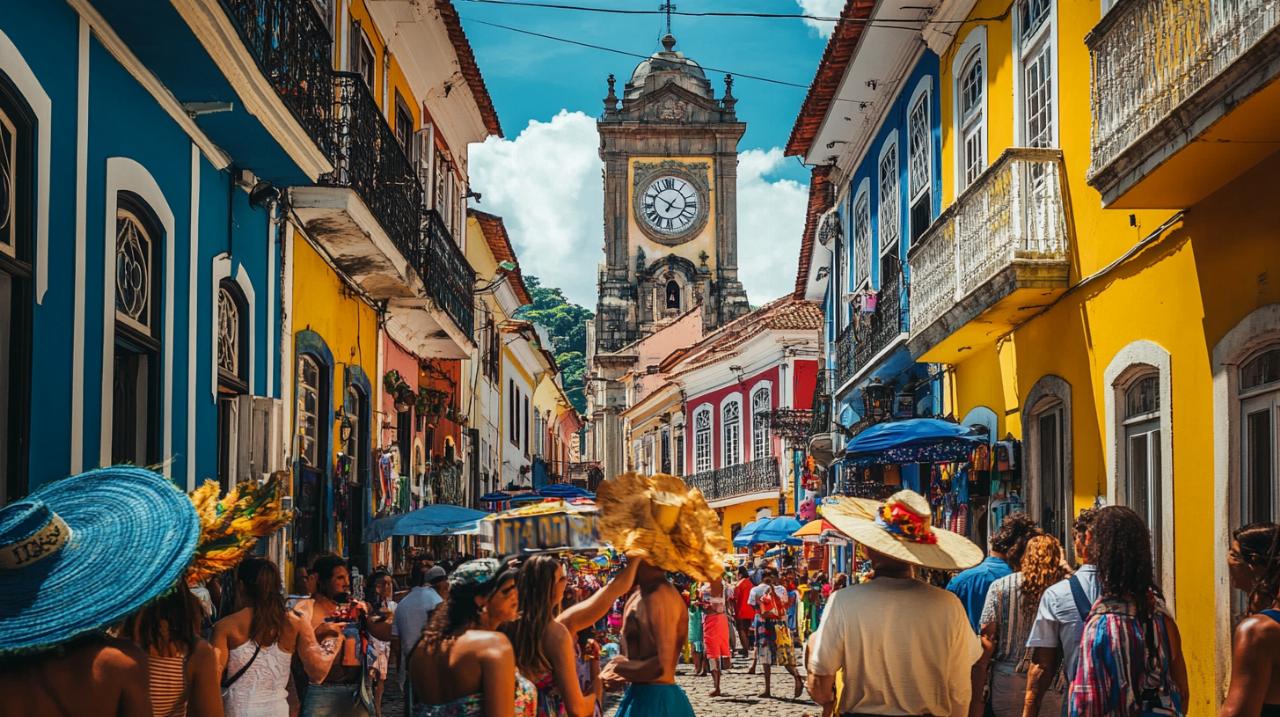
The impact of festive periods on business hours and transport schedules in Brazil cannot be overstated. During major holidays, especially those with deep cultural significance like Carnival, cities transform as shops, banks, and offices close their doors to allow employees to participate in the celebrations. Carnival, in particular, is a time when normal routines are set aside, and the focus shifts entirely to music, dance, and communal revelry. Even in the weeks leading up to this grand event, businesses may adjust their hours, and public transport services often operate on modified timetables to accommodate the influx of revellers and tourists.
For travellers, this means that careful planning is required to ensure that essential services remain accessible. For instance, those relying on buses or domestic flights should verify schedules well in advance, as transport operators may reduce frequency or reroute services during public holidays. Similarly, restaurants and hotels may experience higher demand, and it is advisable to make reservations early to secure accommodations and dining options. Payment methods and access to banking services can also be affected, so carrying sufficient cash or having alternative payment options is prudent. Some travel companies offer twenty-four-hour emergency support to assist visitors who encounter unexpected disruptions during festive periods. This level of preparedness ensures that even when the nation is caught up in celebration, travellers can navigate any challenges with confidence and continue to enjoy their Brazilian journey without undue stress.
Practical tips for managing time during your brazilian journey
Using Technology to Stay Updated on Local Time Variations
In the modern age, technology serves as an indispensable ally for travellers seeking to stay abreast of local time variations in Brazil. Smartphone applications and online time zone converters provide real-time updates and allow users to compare the current time in different Brazilian cities with their home time zones. Many of these tools are designed with user-friendly interfaces that display sunrise and sunset times, moon phases, and even tidal information for coastal areas. For those visiting Rio de Janeiro, for example, knowing that sunrise occurs at six in the morning and sunset at half past five in the evening can help in planning outdoor activities and photography sessions to capture the city's stunning vistas in the best light.
Clock widgets and online maps dedicated to world time zones are also available, offering a visual representation of how time shifts across the globe. These resources are particularly useful for business travellers who need to coordinate meetings across multiple time zones or for families trying to arrange video calls with loved ones back home. Websites such as those offering comprehensive time zone converters have become essential bookmarks for frequent travellers, providing accurate and up-to-date information that can be accessed from any device. Additionally, many travel agencies include time zone information as part of their comprehensive travel packages, ensuring that clients are well-informed before they even set foot in the country. Embracing these technological tools not only simplifies the logistics of travel but also enhances the overall experience by reducing the stress associated with time management.
Planning Activities and Connections Across Different Cities and Regions
Effective planning of activities and connections across Brazil's diverse cities and regions requires a strategic approach that takes into account the country's multiple time zones and varied holiday schedules. When mapping out an itinerary, it is wise to allocate sufficient time for transfers between locations, especially when travelling from the bustling metropolis of São Paulo to the natural wonders of the Amazon or the historic charm of Brasilia. Understanding that a flight departing from São Paulo-Guarulhos International Airport might land in a city operating on a different time zone can prevent confusion and ensure that connecting flights or pre-booked tours are not missed.
Travellers should also consider the impact of public holidays on their plans. If a journey includes a visit to Rio de Janeiro during Tiradentes Day or Corpus Christi, it is important to anticipate that many attractions and services may operate on altered schedules. Consulting with local tour operators and booking activities in advance can help mitigate any disruptions. Many companies specialising in Brazilian travel offer packages that include active, adventure, family, language, luxury, nature, and self-drive tours, each designed to cater to different interests and schedules. These operators often provide detailed travel information covering climate, visa requirements, vaccinations, health precautions, and safety advice, all of which are integral to a smooth journey.
Moreover, practical considerations such as the need for electrical adaptors and plugs, knowledge of telephone dialling codes, and familiarity with payment methods in Brazilian Real are all part of a well-rounded travel plan. Having access to fair pricing and secure payment options, along with emergency support available around the clock, ensures that travellers can focus on enjoying the rich cultural experiences Brazil has to offer. Whether exploring the vibrant streets of Florianopolis, marvelling at the architectural wonders of Brasilia, or soaking in the natural beauty of Foz do Iguaçu, a well-informed traveller is better equipped to navigate the temporal and logistical complexities of this magnificent country. By combining technological tools with thorough pre-trip research and the support of experienced travel professionals, visitors can make the most of every moment in Brazil, ensuring that their adventure is as seamless as it is memorable.