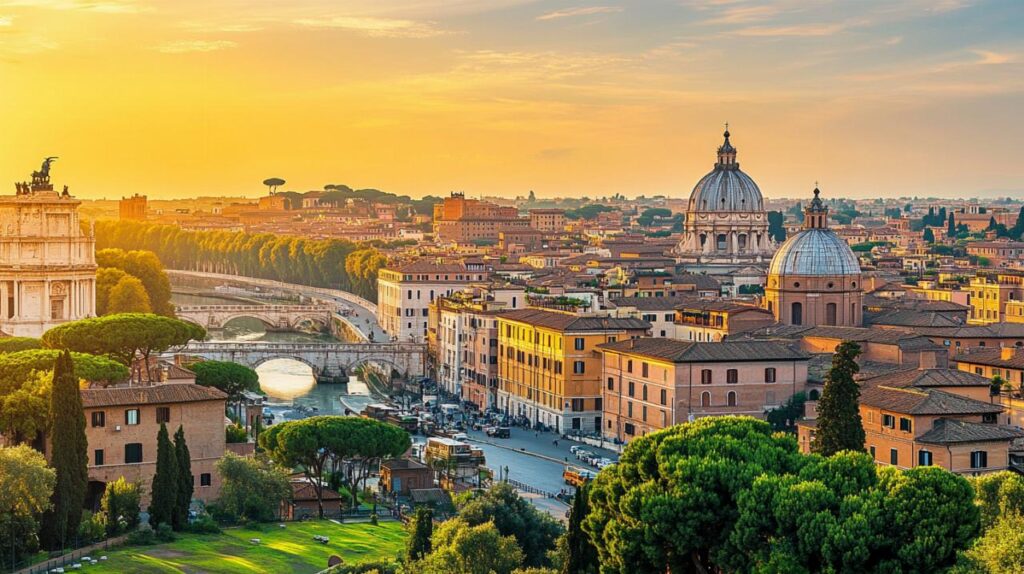
Italy has long captivated travellers with its timeless charm, from the romantic canals of Venice to the ancient ruins of Rome and the serene beauty of its northern lakes. Whether you're planning a quick escape or a leisurely exploration, understanding the financial commitment of an Italian weekend is essential. A well-planned trip can range from modest to luxurious, depending on your choice of destination, accommodation, and activities. With costs varying across cities and seasons, knowing where your money goes helps you craft an authentic experience without unnecessary expense.
Understanding accommodation costs across italy's most popular cities
Accommodation forms a significant portion of any Italian getaway budget. The type of lodging you select and the city you visit will greatly influence your overall expenditure. For instance, a couple embarking on a nine or ten day itinerary through Italy's cultural cities can expect to pay between £7,200 and £10,400 in total, with a substantial portion allocated to hotels and tours. This estimate typically assumes four-star hotels, which offer a comfortable balance between quality and cost. However, travellers seeking to reduce expenses can opt for three-star hotels, which still provide a pleasant stay while trimming the budget.
Comparing hotel prices: rome, venice, florence, milan, and naples
Each Italian city presents its own pricing landscape. Rome, with its vast array of historical sites and cultural landmarks, offers a wide range of accommodation options. Mid-range hotels in the city centre can command higher rates, especially during the shoulder season of spring and autumn when visitor numbers peak. Venice, known for its unique canal-side charm, often features elevated prices due to its status as a major tourist destination. The cost of staying in Venice can be higher than in other cities, reflecting the city's distinct character and limited space for new developments.
Florence and Milan also vary in their accommodation costs. Florence, a hub for art lovers and history enthusiasts, sees considerable demand, particularly during the warmer months. Milan, Italy's fashion and business capital, tends to attract a different type of traveller, with hotel prices reflecting its cosmopolitan appeal. Naples, meanwhile, offers a more budget-friendly alternative while still providing access to stunning coastal scenery and rich culinary traditions. Travellers planning a ten-day cultural trip for two might allocate between £3,000 and £3,600 for hotels and tours, depending on their choice of city and standard of accommodation.
Alternative lodging options to suit every budget
Beyond traditional hotels, Italy offers a variety of alternative lodging options that can help stretch your budget further. Bed and breakfasts provide a more intimate atmosphere, often run by local families who offer insights into the area's hidden treasures. Guesthouses and agriturismos, or farm stays, are popular in rural regions and the lake district, where you can enjoy a slower pace and immerse yourself in the local way of life. For those willing to forgo some hotel amenities, hostels and budget chains present viable options, especially in larger cities.
Choosing accommodation outside peak tourist areas or in less central neighbourhoods can also yield significant savings. Off-season travel, particularly from November to February, offers the best value for money, with hotels often reducing their rates considerably. By carefully selecting your lodging based on location, season, and amenities, you can tailor your Italian weekend to fit your financial comfort zone while still enjoying the country's renowned hospitality.
Breaking down daily expenses: dining, activities, and transport
Beyond accommodation, daily expenses such as meals, activities, and transport contribute to the overall cost of your Italian adventure. A planned trip to Italy generally costs around £400 to £520 per person per day, though this figure can fluctuate based on your choices and the time of year. Dining out in Italy is a highlight for many visitors, and understanding typical restaurant prices helps you plan your budget more effectively. Similarly, knowing how to navigate the country's transport network and whether to opt for tours or independent exploration can make a notable difference to your spending.
What to Expect for Meals and Restaurant Prices in Italian Cities
Dining in Italy ranges from simple, rustic trattorias to upscale restaurants offering refined cuisine. On average, you can expect to spend about £60 per person per day on meals, which typically covers breakfast, lunch, and dinner. Breakfast is often a light affair, with a coffee and pastry at a local bar, which is both affordable and authentically Italian. Lunch can be enjoyed at a modest eatery, where a pasta dish, salad, and a glass of wine might cost between £15 and £25. Dinner, being the main meal of the day, tends to be more substantial and can range from £20 to £40 per person depending on the establishment and location.
Tourist-heavy areas naturally command higher prices, while neighbourhoods frequented by locals offer better value without compromising on quality. Opting for the menu of the day or set lunch specials can also help manage costs. Many restaurants include a cover charge, or coperto, which is a small fee per person for bread and table service. Tipping is appreciated but not obligatory, as service is often included in the bill. By balancing meals at well-known venues with visits to neighbourhood spots, you can savour Italy's culinary delights while keeping your spending in check.
Getting around: public transport versus private tours and taxis
Transport within Italian cities is generally efficient and affordable. Public transport, including buses, trams, and metro systems, averages around £8 per person per day. This covers multiple journeys and is a cost-effective way to explore urban areas. Rome, Milan, and Naples all have extensive public transport networks that connect major attractions and neighbourhoods. Florence, being smaller, is often best explored on foot, though buses are available for longer distances. Venice relies on vaporetti, or water buses, which offer a unique and essential mode of travel across the city's canals.
For those seeking convenience and a more personalised experience, private tours and taxis are available, though they come at a premium. Airport transfers, for example, typically cost around £120 for two people, providing a comfortable and direct connection between the airport and your accommodation. While taxis offer flexibility, they can quickly add up, especially for longer journeys or multiple trips. Balancing public transport with the occasional taxi or organised tour allows you to manage your budget while still enjoying the ease of door-to-door service when needed. Tour packages often bundle activities and transport, which can simplify planning and sometimes offer better value than booking each element separately.
Money-Saving Strategies for an Authentic Italian Experience
Travelling in Italy need not drain your finances if you adopt a few savvy strategies. By venturing beyond the most famous landmarks and embracing local culture, you can enjoy an authentic Italian weekend that is both memorable and economical. The key lies in knowing where to find value without sacrificing the quality of your experience. A nine-day trip to the lake district, for instance, can cost between £8,750 and £10,350 for a couple, but this can be reduced by choosing accommodation wisely and seeking out lesser-known attractions.
Discovering Hidden Gems Away from the Tourist Trail
Italy is dotted with enchanting towns and villages that offer a genuine glimpse into local life, often at a fraction of the cost of major tourist hubs. The Cinque Terre, a collection of colourful coastal villages, provides stunning scenery and excellent hiking opportunities. While popular, visiting during off-peak times or staying in nearby towns can help moderate expenses. The Italian lakes, including Lake Como, Lake Garda, and Lake Maggiore, offer serene landscapes and charming lakeside communities. Here, the pace is slower, and the focus shifts from ticking off sights to soaking up the atmosphere.
Exploring smaller cities such as Verona, Siena, or Lucca allows you to experience Italy's rich history and culture without the crowds and inflated prices of Rome or Venice. These destinations often have excellent public transport connections and a range of affordable dining and lodging options. By dedicating part of your itinerary to these hidden gems, you can stretch your budget further while gaining a deeper appreciation for Italy's diverse regions and traditions.
Local eateries and free attractions that won't compromise your budget
One of the most rewarding aspects of travelling in Italy is the abundance of free or low-cost attractions. Many of the country's most beautiful piazzas, churches, and parks are open to the public without charge. Strolling through Rome's historic centre, admiring the architecture of Florence's Duomo from the outside, or wandering along the canals of Venice costs nothing but offers immense pleasure. Many churches house remarkable artworks and frescoes, and while some request a small donation, entry is often free.
When it comes to dining, local eateries and markets provide an authentic taste of Italian cuisine at reasonable prices. Street food, such as pizza al taglio or arancini, offers a delicious and inexpensive option for lunch on the go. Markets are ideal for picking up fresh produce, cheese, and cured meats, allowing you to assemble a picnic to enjoy in a scenic spot. This approach not only saves money but also connects you more closely with the daily rhythms of Italian life. By favouring neighbourhood trattorias over restaurants in prime tourist locations, you can enjoy hearty, traditional dishes without the premium price tag.
Additional expenses such as city tourist taxes, travel insurance, tips, shopping, optional experiences, and international phone plans are not always included in initial budget estimates, so setting aside extra spending money is prudent. Common recommendations suggest budgeting around £60 per person per day for miscellaneous costs, plus an additional £8 for local transport. Credit cards are widely accepted throughout Italy, but carrying some cash is advisable for smaller businesses and rural areas where card facilities may be limited. Planning your Italian weekend with these considerations in mind ensures you can enjoy everything the country has to offer while maintaining control over your finances. Whether you choose a cultural tour through cities or a tranquil escape to the lakes, understanding the cost breakdown empowers you to make informed decisions and create an unforgettable Italian getaway.