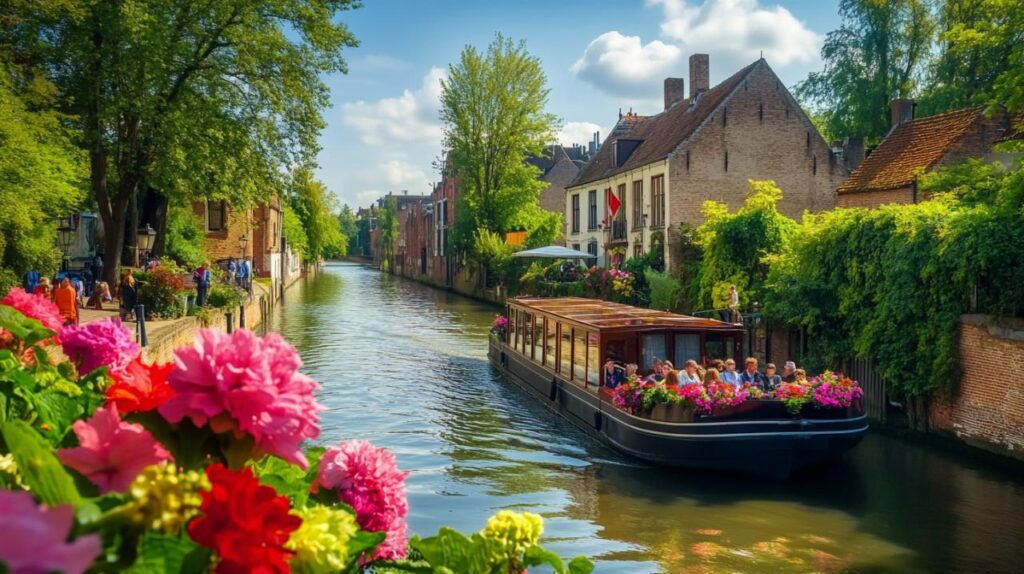
Imagine gliding gently through sun-dappled French canals, the scent of lavender drifting across the water whilst historic villages unfold around each bend. For many, this dream is achievable through barge ownership, combining a lifestyle investment with potential financial returns. Owning a canal boat in France offers unlimited access to some of Europe's most enchanting waterways, but requires careful planning around acquisition costs, moorings, and ongoing maintenance schedules. This comprehensive guide explores everything you need to know before casting off on your barge investment journey.
Understanding your barge investment: from purchase price to mooring rights
Embarking on barge ownership begins with understanding the financial landscape. The initial outlay extends beyond the vessel itself, encompassing various elements that collectively determine your total investment. Whether you seek a traditional Dutch barge or a modern motor cruiser designed for French inland waterways, prices vary considerably based on size, condition, and amenities. For those considering newer craft, purchase programmes exist where boats are delivered fully fitted and commissioned, with investment starting from approximately one hundred and eighty thousand euros. This figure typically includes all necessary equipment for immediate navigation on the canal systems spanning from Burgundy to the Canal du Midi, though additional costs warrant careful consideration before committing to ownership.
Evaluating Acquisition Costs and Finance Options for Canal Boats
The financial commitment of purchasing a river vessel demands thorough examination of available options. Buyers might explore the pre-owned market through specialised brokers dealing in inland boats and houseboats, where prices fluctuate based on heritage, maintenance history, and location. Alternatively, acquisition through established hire fleet programmes presents a structured approach, where guaranteed monthly returns offset ownership expenses. Such arrangements typically deliver an eight percent annual return on the net purchase price, providing owners with predictable income streams. Finance packages may be available through maritime lenders familiar with European waterways, though terms differ from conventional property mortgages. Prospective owners should factor in not merely the sticker price but also value-added tax implications, registration fees, and the potential for depreciation or appreciation depending on vessel type. Certain modern ranges retain value better than traditional steel barges, with some programmes offering buyback guarantees at fifty percent of original value after eight seasons, providing an exit strategy for investors seeking finite commitment periods.
Securing proper mooring and navigating vnf regulations
Once acquisition finances are settled, securing appropriate mooring becomes paramount. France's extensive network of canals and rivers falls under the jurisdiction of Voies Navigables de France, the governing body overseeing all inland navigation infrastructure. VNF regulations stipulate requirements for permanent and temporary moorings, with fees varying dramatically between rural communes and popular tourist destinations. Permanent berths in sought-after locations such as Alsace or Provence command premium rates, whilst more remote stretches of the Canal Latéral de la Loire offer economical alternatives. Beyond mooring fees, owners must secure annual navigation licences permitting passage through locks and controlled waterways. These permits vary in cost depending on vessel dimensions and intended cruising range. Insurance requirements also connect directly to mooring arrangements, as insurers scrutinise whether boats remain in attended marinas or unmanned along canal banks. Establishing relationships with local harbourmasters and understanding seasonal restrictions proves invaluable, particularly in regions where winter ice or maintenance schedules temporarily close sections of waterway. Compliance with environmental regulations regarding waste disposal and engine emissions has grown increasingly stringent, requiring owners to maintain proper holding tanks and ensure motors meet contemporary standards for the protection of these cherished aquatic environments.
Essential maintenance routines: keeping your vessel river-ready
Ownership brings the responsibility of maintaining your floating asset in sound condition. Unlike traditional property, barges face unique challenges from constant water exposure, mechanical systems strain during lock transitions, and the wear caused by seasonal temperature fluctuations. Establishing a comprehensive maintenance schedule protects both your investment value and ensures safe navigation throughout the cruising months. Whether you plan extended personal voyages or generate rental income through holiday accommodation, systematic upkeep prevents costly emergency repairs and maintains the pristine condition that attracts discerning charterers or future buyers.
Seasonal Upkeep and Hull Inspections for French Waterways
The rhythm of barge maintenance follows the seasons, with winter months offering ideal opportunities for major works whilst boats sit idle. Hull inspections constitute the foundation of any maintenance programme, as the underwater surfaces bear the brunt of aquatic exposure. Steel hulls require blacking every three to four years, a process involving lifting the vessel from water, removing old coating, treating any rust spots, and applying fresh protective layers. This prevents corrosion that could compromise structural integrity over time. Aluminium and fibreglass hulls demand different care regimes, though regular inspection for osmosis or impact damage remains essential regardless of construction material. Anodes protecting against galvanic corrosion require checking and replacement as they deteriorate through electrochemical processes. Above the waterline, paintwork preservation maintains aesthetic appeal whilst protecting underlying surfaces from weathering. Wooden trim needs annual treatment with appropriate oils or varnishes, whilst metalwork benefits from rust-inhibiting primers beneath topcoats. Checking window seals, deck fittings, and through-hull fittings for water ingress prevents internal damage that escalates repair costs exponentially. Many owners winterise their craft by draining water systems, adding antifreeze to plumbing, and protecting interiors from condensation that encourages mould growth during cold months when boats sit unoccupied.
Engine servicing and navigation equipment maintenance
Propulsion systems demand regular attention to ensure reliable performance when traversing France's varied waterways. Diesel engines typical of canal boats require annual servicing including oil and filter changes, coolant system checks, and fuel system maintenance. Engine hours rather than calendar intervals often dictate service schedules, though boats seeing limited use still benefit from yearly professional inspection. Gearbox oil, stern gland packing, and propeller condition all factor into mechanical reliability. Many modern vessels feature bowthruster units simplifying lock manoeuvres, which require periodic fluid checks and seal inspections. Beyond propulsion, navigation equipment including depth sounders, chart plotters, and VHF radios need calibration and software updates to maintain accuracy and functionality. Battery banks powering domestic systems and engine starting require monitoring for charge retention and terminal corrosion, with replacement typically necessary every four to six years depending on usage patterns. Solar panels increasingly supplement charging systems, requiring occasional cleaning to maintain efficiency. Plumbing systems including freshwater pumps, water heaters, and toilet mechanisms need annual inspection and occasional component replacement. Heating systems, whether diesel-fired or solid fuel stoves, require professional servicing before each heating season to ensure safe operation and prevent carbon monoxide risks. Documentation of all maintenance work proves invaluable for insurance compliance, resale value, and identifying recurring issues before they escalate into major failures.
Maximising returns: rental income and insurance considerations
Whilst many purchase barges purely for personal enjoyment, the financial realities of ownership make income generation attractive or even necessary. The French holiday market shows consistent demand for unique accommodation experiences, with canal boats offering something distinctly different from conventional villa rentals. Simultaneously, protecting your asset through comprehensive insurance coverage ensures peace of mind whether you cruise personally or entrust your vessel to paying guests.
Turning your barge into profitable holiday accommodation
Converting barge ownership into revenue involves several pathways, each with distinct advantages and obligations. Joining established hire fleets represents the most straightforward approach, where management companies handle marketing, bookings, guest instruction, and routine maintenance in exchange for a percentage of rental income. Such arrangements often guarantee minimum annual returns regardless of actual booking levels, providing financial predictability. Owners typically receive several weeks of personal usage annually across the entire fleet, allowing holidays in different regions without maintaining multiple boats. Alternatively, independent letting through holiday platforms offers higher per-booking returns but requires owners to manage marketing, guest communications, safety briefing, and cleaning between charterers. This approach suits those with time and inclination for hospitality management, whilst fleet membership appeals to hands-off investors. Peak season rentals on popular routes command premium rates, with weekly charters ranging from modest sums for basic craft to substantial fees for luxury vessels featuring jacuzzis, sundecks, and premium fittings. Marketing emphasises unique selling points such as proximity to wine regions like Sancerre or Pouilly-Fumé, access to cycling routes along towpaths, or the appeal of navigating historic structures such as the Briare aqueduct. Successful rental operations maintain meticulous cleanliness standards, provide comprehensive navigation guides and maps, and ensure all safety equipment meets current regulations. Guest reviews drive future bookings, making attention to detail and responsive communication essential components of profitable barge rental enterprises.
Comprehensive insurance coverage for your floating asset
Insurance forms a non-negotiable aspect of responsible ownership, protecting against diverse risks from collision damage to theft and liability claims. Marine insurance differs substantially from household cover, requiring specialist providers familiar with inland waterway vessels. Policies typically separate hull coverage from liability protection, with premiums calculated based on vessel value, cruising range, owner experience, and whether boats enter commercial rental service. Agreed value policies guarantee payout of predetermined amounts regardless of market fluctuations, whilst market value coverage reflects current selling prices at claim time. Excess amounts vary considerably between insurers, with higher voluntary excess reducing premium costs but increasing out-of-pocket expenses for minor claims. Liability coverage protects against third-party claims arising from collisions, mooring damage, or injuries to guests aboard your vessel, with minimum coverage levels often specified by mooring operators or rental fleet agreements. Additional elements include coverage for personal effects, navigation equipment, tenders and bicycles stored aboard. Insurers scrutinise security arrangements, favouring vessels with quality locks, immobilisers, and GPS tracking systems that aid recovery if stolen. Many policies restrict navigation to specified waterways, requiring notification and often premium adjustment for ventures beyond covered regions. Seasonal coverage reduces costs for boats laid up during winter months, though maintaining year-round protection prevents coverage gaps if you decide on an out-of-season cruise. Declaring your boat enters commercial service as holiday accommodation triggers different underwriting criteria and typically higher premiums reflecting increased usage and risks associated with inexperienced charterers. Maintaining detailed maintenance records, holding appropriate qualifications, and demonstrating years of navigational experience all contribute to favourable premium negotiations, rewarding responsible ownership with meaningful cost savings over the vessel's lifetime.