
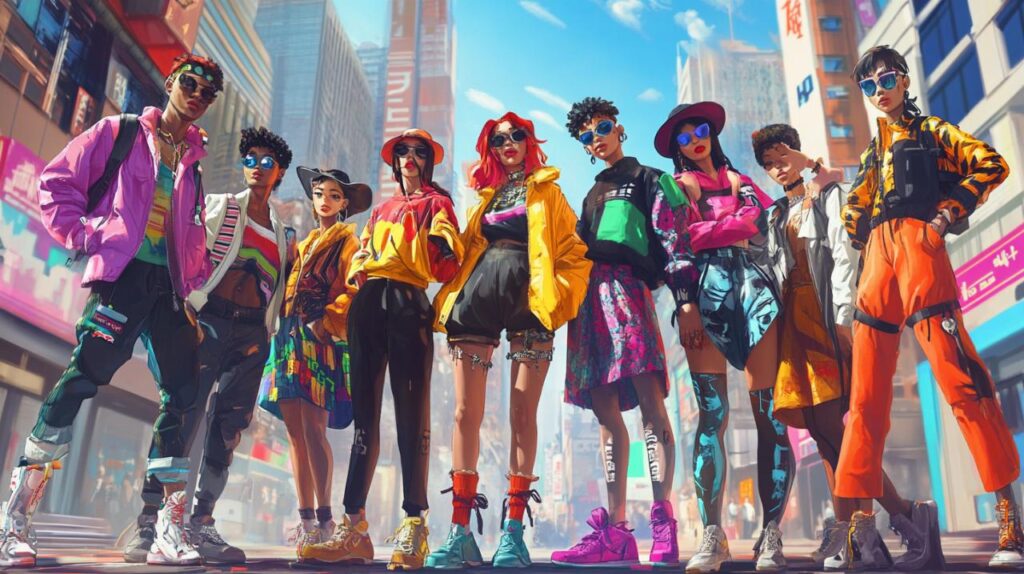
Fashion is far more than the garments we drape across our shoulders each morning. It is a language without words, a canvas where personal narratives unfold in fabric and form. Every colour, cut, and silhouette carries whispers of who we are beneath the surface. Whether consciously curated or instinctively assembled, the clothes we choose become a dialogue between our inner selves and the world around us. For many, clothing is the bridge that connects cultural heritage to contemporary life, a medium through which beliefs, values, and aspirations find tangible expression.
Understanding Fashion as a Form of Self-Expression
Clothing has always been a mirror reflecting the soul. From the suffragettes who donned trousers and tailored suits to challenge gender norms in the early twentieth century, to the keffiyeh worn as a modern symbol of Palestinian resistance and identity, fashion has served as a powerful statement of defiance, belonging, and belief. These examples remind us that what we wear is never merely decorative; it is emblematic of deeper truths. The choices we make about our wardrobe speak volumes about our principles and the stories we wish to tell.
Why your wardrobe speaks volumes about your personality
Consider the person who gravitates toward natural fibres and thoughtful, functional pieces. Margaret Austin from Outline Brooklyn embodies this ethos, favouring comfortable, striped garments that blend simplicity with intention. Her wardrobe evolved during lockdown, shedding excess for essentials that reflect a mindful approach to dressing. This shift illustrates how personal style can be a response to life's circumstances, adapting and refining itself over time. Similarly, Steff Yotka, a magazine editor, has remained true to her love of plaids, stripes, and platform shoes since childhood, demonstrating that authenticity in style often stems from a deep-rooted sense of self that resists fleeting fads.
For others, fashion is a playground for experimentation. Jalil Johnson, who works with Saks Fifth Avenue and Consider Yourself Cultured, describes his aesthetic as eclectic and preppy, a blend cultivated since childhood and expanded upon in the vibrant streets of New York. His journey underscores the idea that personal style is not static but evolves as we explore the world, drawing inspiration from films, books, magazines, and the people we encounter. This dynamic approach allows for a wardrobe that is ever-changing yet always reflective of the wearer's multifaceted identity.
The psychology behind clothing choices and identity
The phenomenon known as enclothed cognition reveals that the clothes we wear influence not only how others perceive us but also how we perceive ourselves. Symbolic meaning and physical experience intertwine to shape our behaviour and mood. When we slip into a tailored blazer, we may feel more authoritative; when we don a flowing dress, we might embrace a softer, more relaxed version of ourselves. This psychological interplay makes fashion a potent tool for self-definition.
Cultural identity also plays a significant role in shaping our sartorial choices. A Punjabi Pakistani Muslim woman might choose to wear traditional attire such as the shalwar kameez and hijab, especially in the face of adversity, as a means of asserting her heritage and faith. At the same time, she may blend Western and traditional elements, pairing a kurta with jeans or accessorising with khussey and gold jewellery, creating a hybrid identity that honours both roots and contemporary life. This fusion illustrates how fashion can serve as a bridge between cultures, allowing individuals to navigate multiple worlds while remaining true to themselves.
The rise of microtrends in recent years has complicated the pursuit of a cohesive personal identity through clothing. With new styles emerging and fading at breakneck speed, it can be challenging to maintain a wardrobe that feels authentic rather than reactive. Yet, the voices of fashion industry professionals remind us that true style is not about chasing every trend but about understanding what resonates on a personal level. Susan Korn of Susan Alexandra describes her aesthetic as Victorian school marm meets yentl who aspires to be a cool Danish mum, a delightfully specific vision that defies convention and celebrates individuality.
Discovering and developing your unique personal style
Finding your personal style is less about following rules and more about listening to your instincts. It requires a willingness to experiment, to make mistakes, and to learn what feels right. Margaret Austin advises being comfortable and resisting the urge to chase trends, a sentiment echoed by many who have cultivated distinctive wardrobes over the years. Comfort, in this context, is not merely physical but emotional and psychological; it is the feeling of alignment between what you wear and who you are.
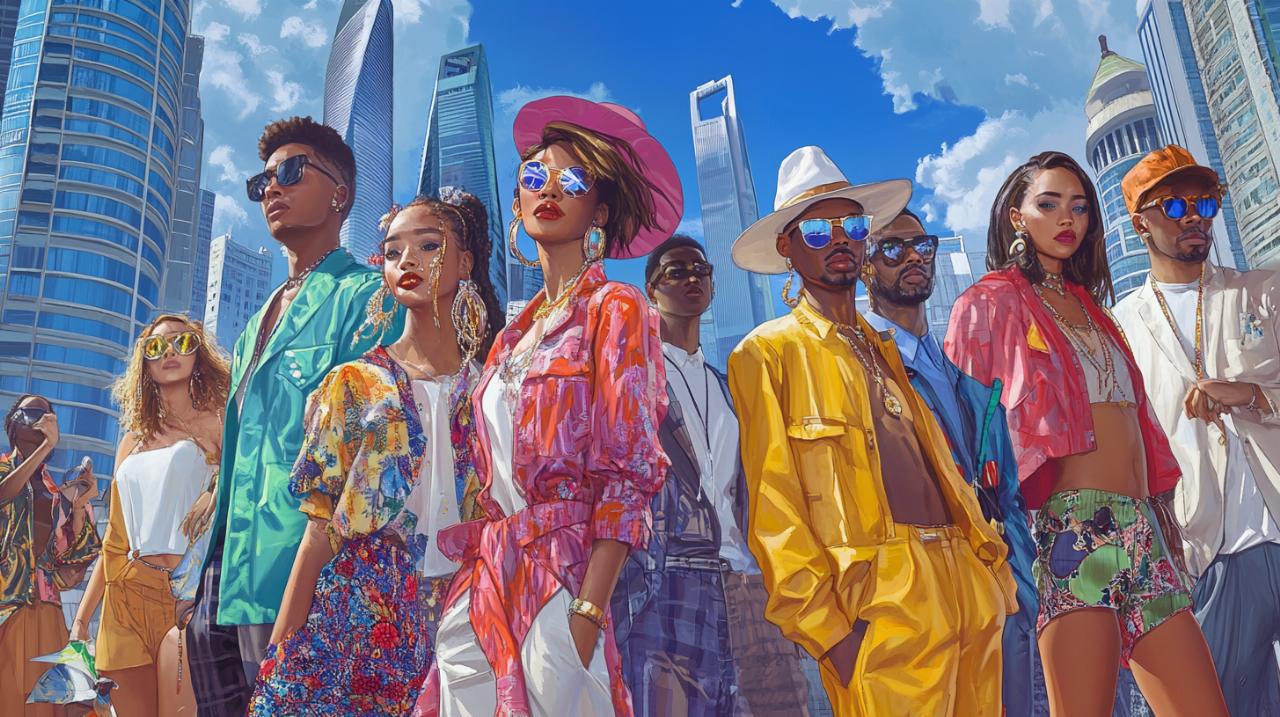
Practical steps to identify what truly suits you
Begin by taking stock of the pieces in your wardrobe that make you feel most like yourself. These are the garments you reach for instinctively, the ones that bring a sense of ease and confidence. Notice patterns in colour, texture, and silhouette. Do you gravitate toward bold hues or muted tones? Are you drawn to structured tailoring or relaxed, flowing shapes? These preferences offer clues to your underlying aesthetic.
Experimentation is equally important. Jalil Johnson encourages seeking inspiration everywhere, from vintage shops and auction sites to films and magazines. By exposing yourself to diverse influences, you expand your visual vocabulary and discover new ways of dressing that you might not have considered. Steff Yotka suggests wearing what you like and not feeling guilty about buying multiples if something truly speaks to you. This permission to follow your instincts, even when they defy conventional wisdom, is crucial in developing a wardrobe that feels authentic.
Vintage shopping and sustainable fashion practices also offer valuable avenues for exploration. Platforms such as eBay Vintage, The RealReal, Poshmark, and Etsy provide access to unique pieces that carry their own histories and character. Shopping second-hand not only supports environmental sustainability but also allows you to build a wardrobe that stands apart from mass-produced trends. Luxury retailers like Net-a-Porter, Moda Operandi, and Ssense can complement these finds with contemporary designer brands, creating a balanced mix of old and new.
Building a wardrobe that reflects your authentic self
Once you have a clearer sense of what suits you, the next step is to curate a wardrobe that reflects your authentic self. This does not mean adhering to a rigid formula but rather assembling a collection of pieces that work together harmoniously while allowing for mood-based styling. Some days call for comfort dressing, when functional fashion takes precedence; other days invite a more polished, editorial approach. The key is to ensure that every item in your wardrobe earns its place by serving your needs and expressing your identity.
Consider the wisdom of those who have honed their style over years. Susan Korn's approach is to wear what makes her feel least awful and to add a sprinkle of colour, a simple yet profound philosophy that prioritises well-being over perfection. Steff Yotka's love of plaids, stripes, black paired with colour, big skirts, and platform shoes demonstrates how a consistent thread of personal preference can unify a diverse wardrobe. Meanwhile, Jalil Johnson's eclectic, preppy sensibility shows that embracing multiple facets of your personality through clothing can result in a style that is rich and layered.
Building a wardrobe that reflects your authentic self also means being mindful of the stories behind the clothes. Whether inherited from loved ones, discovered in a Milan vintage shop, or sourced from Swedish brands like Ewa i Walla, each piece carries meaning. The act of choosing to wear traditional attire such as the shalwar kameez or to blend Western fusion elements is a deliberate assertion of identity, a way of honouring heritage while navigating modern life.
Ultimately, personal style is a journey rather than a destination. It evolves as we do, shaped by experiences, influences, and the ever-changing landscape of our lives. By embracing experimentation, seeking inspiration from diverse sources, and remaining true to what feels right, we can create a wardrobe that not only looks good but also tells our unique story. Fashion, at its best, is a celebration of individuality, a reminder that there is no single way to dress, only the way that feels most like you.