
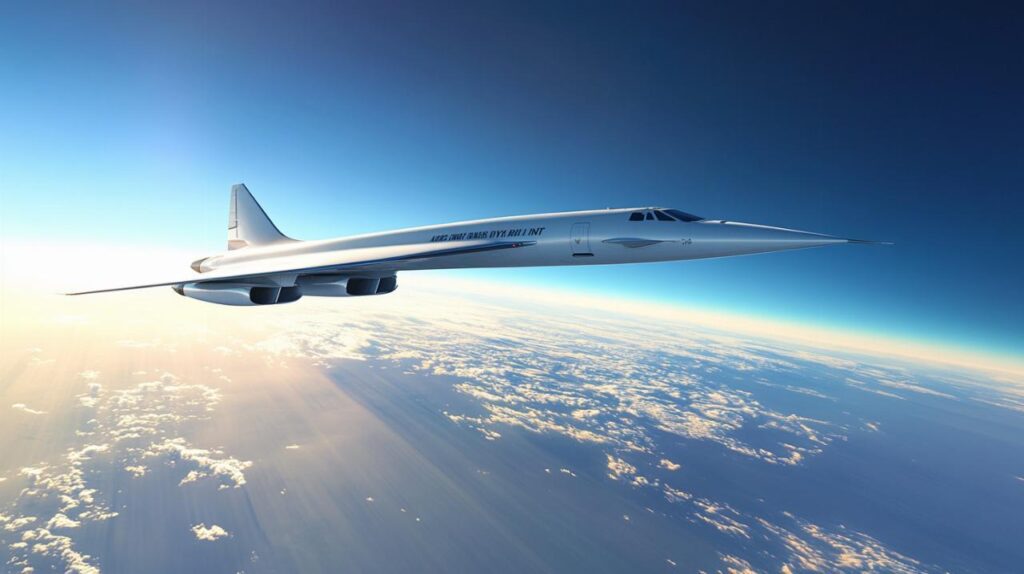
The golden age of supersonic commercial aviation marked a period when crossing the Atlantic Ocean became dramatically faster than ever before. For nearly three decades, passengers could experience the thrill of breaking the sound barrier whilst travelling between major European and North American cities. This remarkable achievement in aviation history continues to fascinate enthusiasts and travellers alike, particularly when comparing those extraordinary flight times with the durations we experience on modern aircraft today. The contrast between past and present reveals not only technological differences but also the complex economic and environmental factors that shape commercial air travel.
The concorde era: supersonic travel at its finest
Revolutionary Flight Times: Paris to New York in 3.5 Hours
The Concorde represented an extraordinary leap forward in commercial aviation, slashing transatlantic journey times to an almost unbelievable degree. A flight from Paris to New York, which typically requires about eight hours on conventional aircraft, took approximately three and a half hours aboard this supersonic marvel. This dramatic reduction meant business executives could attend morning meetings in Paris and arrive in New York before lunch, accounting for the time difference. The aircraft entered service on the 21st of January 1976, following a collaborative development between the British Aircraft Corporation and Sud Aviation, representing a joint venture between Great Britain and France that began in the 1950s.
Throughout its 27 years of service, the Concorde transported over 2.5 million passengers who were willing to pay premium fares for the privilege of supersonic travel. A round-trip ticket cost approximately twelve thousand dollars at the time, equivalent to roughly sixty-six thousand pounds in today's currency. Despite this substantial investment, the aircraft maintained consistent appeal amongst wealthy business travellers and celebrities who valued time above all else. The service operated primarily between London Heathrow and New York, though Paris to New York routes also featured prominently in the schedules of Air France and British Airways, the only two airlines ever to operate the type commercially.
The engineering marvel behind supersonic speed
The technical achievements that enabled such remarkable speed were genuinely impressive for their era. The Concorde could reach maximum velocities of 1,330 miles per hour, effectively flying at twice the speed of sound. This supersonic capability was made possible through advanced aerodynamic design and powerful Rolls Royce engines that propelled the aircraft to cruising altitudes between 55,000 and 60,000 feet, far above the typical cruising height of conventional airliners. At these extreme altitudes, passengers could observe the curvature of the Earth through the aircraft's relatively small windows, adding to the sense of exclusivity and adventure.
The distinctive delta wing configuration and drooping nose gave the Concorde its iconic appearance whilst serving essential aerodynamic functions. Only twenty aircraft were built during the production run, reflecting both the specialised nature of the technology and the limited market for such expensive operations. The cabin accommodated between 92 and 128 passengers in a luxury seating arrangement, though the fuselage was notably narrower than wide-body aircraft, with a single aisle configuration. Despite the confined space, passengers enjoyed gourmet meals and exceptional service befitting the premium fares they had paid.
Modern transatlantic routes: how today's aircraft compare
Current flight durations between paris and new york
Contemporary aircraft operating the Paris to New York route require substantially longer journey times than the Concorde ever did. Modern wide-body jets such as the Boeing 777, Airbus A350, and Boeing 787 Dreamliner typically complete the westbound crossing in approximately eight to eight and a half hours under normal conditions. Eastbound flights, benefiting from prevailing tailwinds, generally take around seven to seven and a half hours. These durations represent more than double the time required by the supersonic Concorde, highlighting the significant speed advantage the earlier aircraft possessed.
Several factors influence contemporary flight times, including weather patterns, air traffic control routing, and the specific aircraft type deployed on any given service. Airlines have optimised their transatlantic operations for fuel efficiency and passenger comfort rather than pure speed. Modern jets cruise at speeds around 560 to 575 miles per hour at altitudes typically between 35,000 and 43,000 feet, well below both the speed and altitude capabilities demonstrated by the Concorde. This more moderate performance envelope allows for better fuel economy and quieter operations, addressing two of the critical issues that ultimately led to the supersonic airliner's retirement.
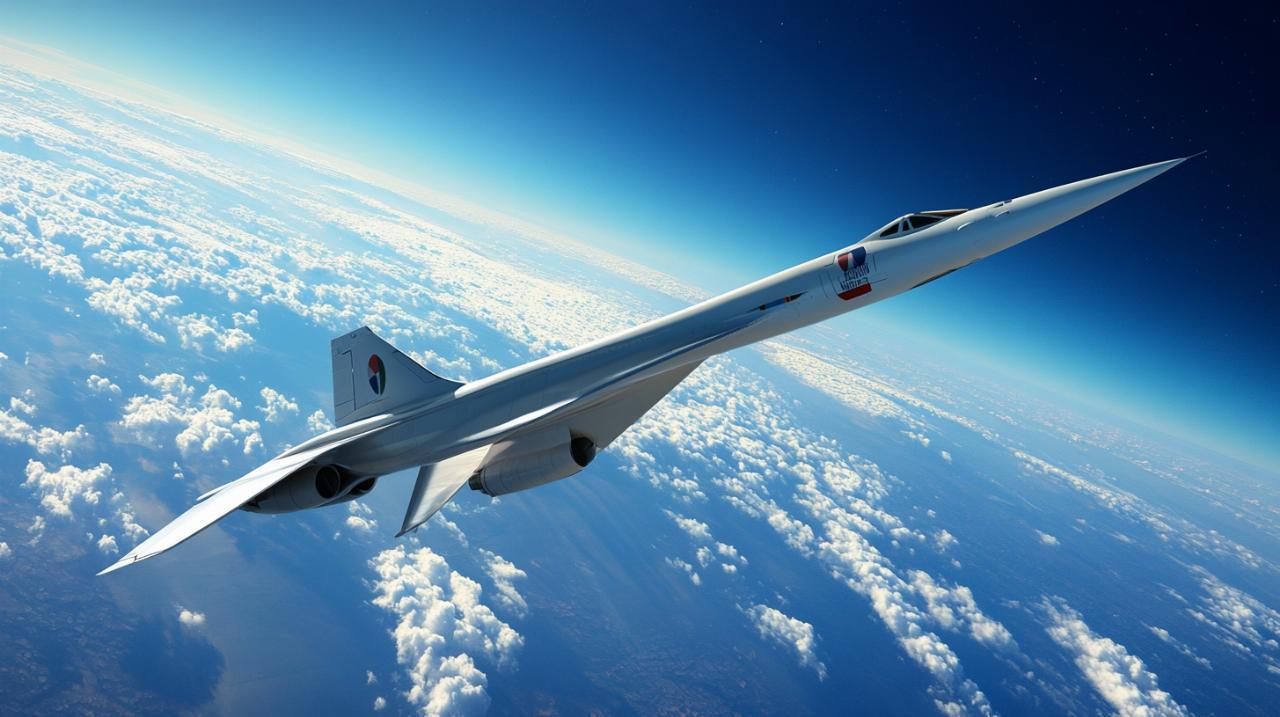
Why contemporary aircraft take nearly twice as long
The substantial difference in flight duration stems from fundamental design philosophies and operational considerations. Modern subsonic aircraft prioritise fuel efficiency, passenger capacity, and economic viability over raw speed. The swept wings and high-bypass turbofan engines fitted to contemporary jets deliver excellent fuel economy at subsonic speeds but cannot approach the performance of the Concorde's specialised powerplants and aerodynamic configuration. Airlines have determined that the economic benefits of carrying more passengers more economically outweigh the advantages of faster journey times for the vast majority of travellers.
Environmental concerns and noise regulations have also shaped the development of modern aircraft in ways that favour subsonic performance. The Concorde faced significant restrictions on its flight paths due to the sonic boom created when breaking the sound barrier, limiting supersonic flight to oceanic routes where the disturbance would affect fewer people. Contemporary aircraft development has focused on reducing noise footprints around airports and decreasing carbon emissions per passenger kilometre, objectives that align with subsonic cruise speeds and modern engine technology. These priorities reflect broader societal concerns about aviation's environmental impact that were less prominent during the Concorde era.
The Legacy of Concorde and the Future of High-Speed Aviation
The Impact of the 2000 Accident on Supersonic Commercial Flight
The tragic accident in 2000 fundamentally altered perceptions of the Concorde and contributed significantly to the eventual cessation of supersonic commercial operations. Although investigations led to modifications and the aircraft returned to service, public confidence had been shaken. The subsequent decline in air travel following the attacks of September 11th, 2001, further reduced demand for premium-priced services. These events, combined with mounting operating costs and increasingly stringent noise regulations, created an untenable business environment for the ageing fleet.
The final commercial flights took place on the 24th of October 2003, with the absolute last flight occurring on the 26th of November 2003. After 27 years of service, an era came to an end as both Air France and British Airways withdrew their Concorde fleets. Several aircraft found homes in museums, including one displayed at the Udvar-Hazy Centre of the National Air and Space Museum in Chantilly, Virginia, and another at Brooklands Museum, which opens daily from ten in the morning until five in the afternoon. These preserved examples allow new generations to appreciate the remarkable engineering achievement the Concorde represented.
Next-generation supersonic aircraft: will we see concorde's return?
Interest in supersonic commercial aviation has experienced a renaissance in recent years, with several companies exploring the potential for next-generation aircraft. Boom Supersonic and Spike Aerospace represent prominent examples of firms developing concepts for modern supersonic business jets and airliners. These proposed designs incorporate contemporary materials, aerodynamics, and engine technology that could potentially address the economic and environmental challenges that ultimately grounded the Concorde. Advanced computational modelling and composite structures promise improved efficiency whilst potentially mitigating some of the noise concerns that restricted earlier supersonic operations.
Whether these ambitious projects will result in commercially viable aircraft remains to be seen. The technical challenges of supersonic flight have not disappeared, and regulatory frameworks around sonic booms over populated areas remain restrictive. However, the enduring fascination with the Concorde and the clear time-saving benefits of faster transatlantic travel continue to attract investment and engineering talent to the field. If successful, future passengers might once again experience journey times approaching those magical three-and-a-half-hour crossings that made the Concorde such an extraordinary achievement in aviation history. Until that day arrives, the contrast between those remarkable supersonic flights and today's longer subsonic journeys serves as a reminder of both what was accomplished and what might yet be achieved again.