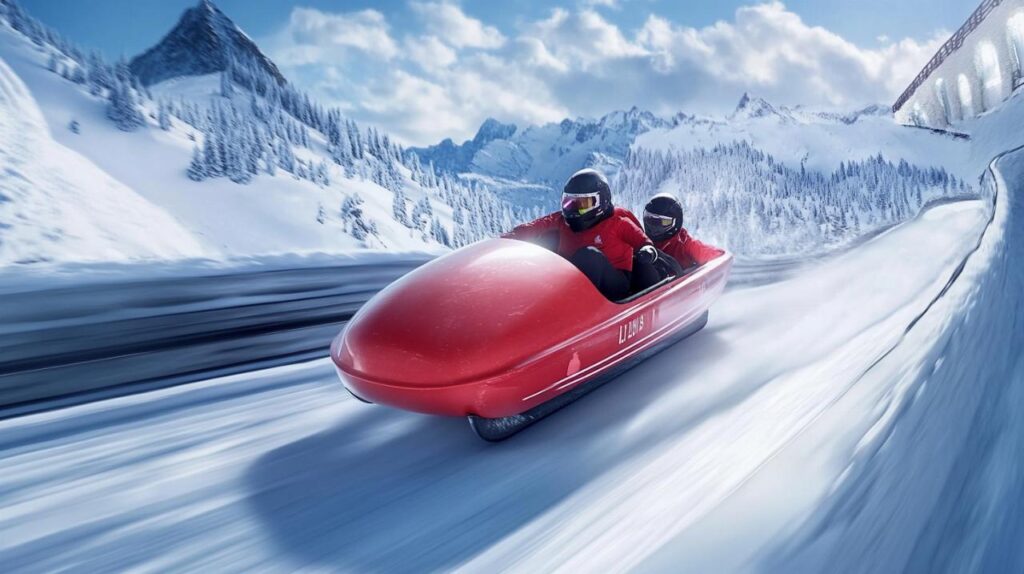
Nestled in the French Alps, La Plagne offers an extraordinary opportunity to experience the raw thrill of hurtling down an Olympic-standard bobsleigh track. This winter destination combines cutting-edge engineering with the natural forces of gravity and momentum to deliver sensations that few other activities can match. Whether you seek the adrenaline rush of steering your own descent or prefer the guided security of a professional pilot, the track presents a unique playground where physics and excitement collide at breathtaking speeds.
The science behind bobsleigh: understanding g-forces and velocity
The bobsleigh experience at La Plagne is fundamentally a masterclass in applied physics. As participants begin their descent along the 1.5 kilometre track, they immediately encounter the powerful interplay between gravitational pull and centrifugal motion. The track's vertical drop of 124.5 metres ensures that gravity accelerates the sled relentlessly, whilst the 19 carefully engineered bends create lateral forces that press riders firmly against the sled's walls. These centrifugal forces can multiply the sensation of weight, making participants feel several times heavier than their actual mass as they navigate each sweeping curve. The combination of downward acceleration and sideways pressure generates the distinctive g-force sensations that define the bobsleigh experience, transforming a simple slide into a visceral encounter with fundamental physical laws.
How gravitational pull and centrifugal motion shape your descent
Every bend on the La Plagne track represents a carefully calculated challenge where gravitational pull meets centrifugal force. As the bobsleigh enters a turn, the angled walls redirect momentum, converting forward velocity into lateral pressure that pushes riders outward whilst simultaneously drawing them through the curve. This dynamic creates the signature sensation of being simultaneously pushed and pulled, a feeling that intensifies with each successive bend. The track designers have crafted these turns to maximise the physiological impact whilst maintaining safety margins, ensuring that amateur participants can experience forces similar to those felt by Olympic athletes. The result is a descent where every twist and turn delivers a distinct physical signature, from gentle sweeping arcs to tight, intense spirals that compress the body and momentarily blur the boundaries between up and down.
The Physics of Speed: From Launch to the Final Brake
The journey from the starting gate to the finish line represents a continuous acceleration punctuated by strategic speed management. At La Plagne, the track has witnessed speeds reaching 134 kilometres per hour, a velocity achieved through the cumulative effect of gravitational acceleration over the course of the descent. The initial launch provides the crucial momentum, after which gravity and the track's engineered profile work in concert to build velocity. However, maintaining control requires sophisticated braking techniques, particularly as riders approach the final stretches where rapid deceleration becomes essential. Professional supervision ensures that participants understand when and how to apply braking force, balancing the desire for maximum speed with the practical necessity of a controlled finish. This interplay between acceleration and deceleration teaches riders to respect the immense kinetic energy they harness during their brief journey down the mountain.
Experiencing the Track: From Olympic-Standard Twists to Amateur Thrills
La Plagne holds the distinction of being the first bobsleigh track in the world to open its curves to public participation, transforming what was once an elite sporting venue into an accessible adventure destination. During daylight hours, the track remains reserved for professional athletes honing their craft, but as afternoon transitions to evening, the gates open for enthusiasts eager to test their mettle. This dual-use model ensures that the track maintains its competitive standards whilst welcoming those who wish to experience Olympic-level facilities firsthand. The transition from professional training ground to public attraction happens seamlessly, with careful scheduling ensuring that safety protocols remain paramount regardless of who is navigating the ice.
Navigating la plagne's renowned turns and technical challenges
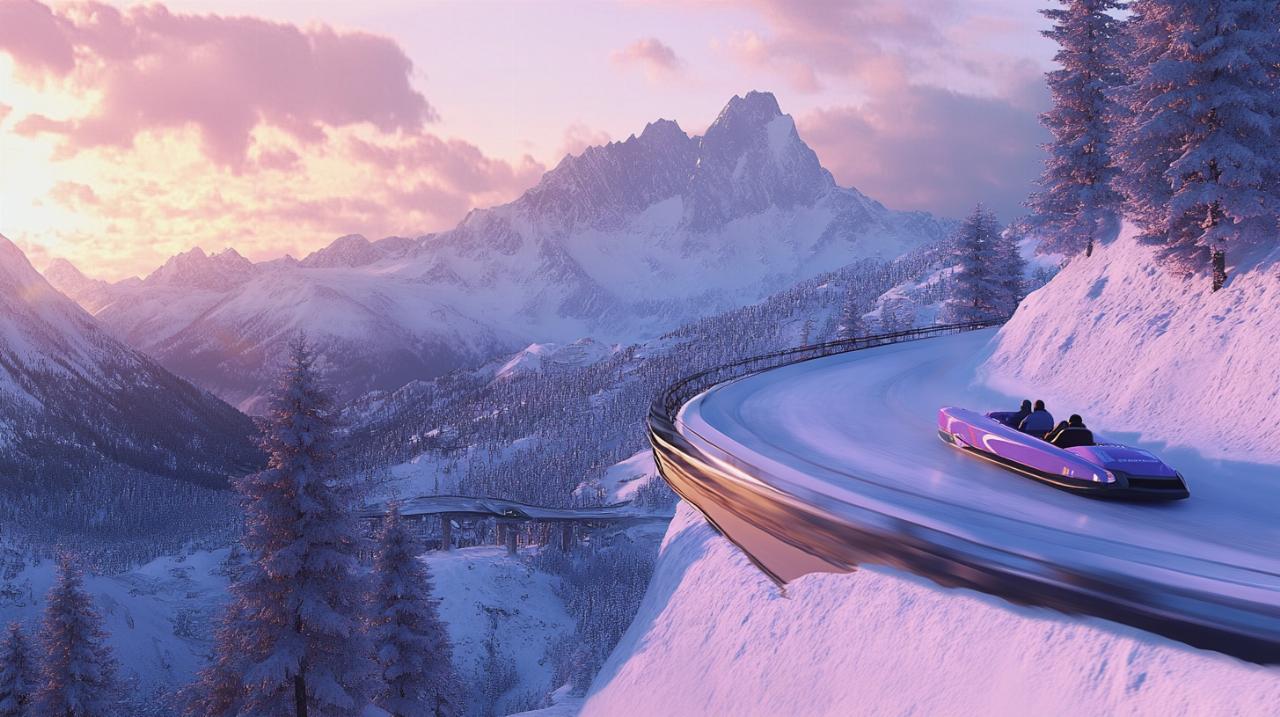
The track's 19 bends present a varied tapestry of technical challenges, each designed to test different aspects of bobsleigh piloting. Some curves demand precise entry angles and steady nerves, whilst others reward aggressive lines and quick reflexes. For first-time participants, the track can feel like a relentless series of surprises, with each bend arriving faster than anticipated and delivering forces that challenge spatial orientation. Experienced pilots learn to read the subtle changes in track angle and ice texture, adjusting their approach to maximise speed through certain sections whilst prioritising control through others. The track scouting session included in many packages proves invaluable, allowing riders to mentally map the course and develop strategies for handling its most demanding features before committing to full-speed descents.
What to expect: professional guidance versus independent runs
The choice between professional guidance and independent runs significantly shapes the bobsleigh experience at La Plagne. For those embarking on the Bob Racing option, which welcomes participants aged sixteen and above, the day includes comprehensive professional supervision beginning with detailed safety briefings and track analysis. Pilots work in pairs, taking turns to steer and ride, with expert coaches providing real-time feedback and adjustments. This structured approach culminates in video debriefing sessions where participants can review their runs, identify successful techniques, and understand areas for improvement. The experience also includes a diploma ceremony, formalising the achievement of completing a run on this legendary track. In contrast, the Bob Raft option offers a more guided experience suitable for families, where a professional pilot handles the steering whilst passengers simply enjoy the ride. Each approach delivers unique sensations, with independent piloting offering greater agency and achievement alongside increased responsibility and technical challenge.
Choosing Your Ride: Bobsleigh, Luge, or Raft-Style Cars at La Plagne
La Plagne recognises that participants arrive with varying appetites for speed and differing comfort levels with risk, which is why the resort offers three distinct bobsleigh experiences. The Bob Raft, priced at fifty-seven pounds per person, provides a family-friendly introduction where a professional handles the piloting duties whilst up to six passengers experience the track's forces from secure seating positions. The Speed Luge, at one hundred and thirty-seven pounds per person, offers solo riders a more intimate encounter with the ice, lying flat and steering independently through the course. The pinnacle experience, Bob Racing at one hundred and forty-nine pounds per person, grants participants the full responsibility of piloting the sled, working in pairs to navigate the track's challenges whilst experiencing the genuine pressure and exhilaration of competitive bobsleigh.
Comparing the Sensations: Lying Flat in a Bob Versus Braving the Luge
The physical position adopted during descent dramatically influences the sensations experienced on the track. Lying flat in a traditional bobsleigh places riders close to the ice, where every vibration and texture change transmits directly through the sled's shell. This position creates an illusion of even greater speed, as the proximity to the rushing surface amplifies visual cues and intensifies the feeling of velocity. The enclosed nature of a bobsleigh also channels forces more directly, creating concentrated pressure points that emphasise the g-forces generated through each bend. In contrast, the luge position offers greater exposure to the environment, with riders experiencing a more visceral connection to the track's features. The absence of protective walls around a luge means that balance and body positioning become critical, adding a layer of physical engagement that transforms passive experience into active participation. Both positions deliver powerful sensations, but they engage different aspects of physical awareness and create distinct memories.
Tailoring your adventure: speed preferences and safety considerations
Selecting the appropriate experience requires honest assessment of both physical capability and psychological readiness. The Bob Raft welcomes participants from 1.30 metres in height, making it accessible to younger family members who meet the minimum stature requirement. This option prioritises shared experience over individual control, creating opportunities for bonding through collective thrills. The Speed Luge and Bob Racing options impose a minimum age of sixteen years, reflecting the increased physical demands and decision-making responsibilities these experiences entail. Safety equipment including helmets is provided for all participants, whilst the requirement for warm clothing and suitable footwear ensures comfort throughout the session. The resort's cancellation policy offers flexibility, with full refunds available for cancellations made more than thirty days in advance, decreasing to no refund within seventy-two hours of the scheduled experience. This structure encourages thoughtful planning whilst acknowledging that winter weather and personal circumstances may necessitate changes. With only sixteen participant slots available per day, booking well in advance becomes essential for securing preferred dates during the season running from December 2025 through March 2026, with specific special events including a Valentine's Day bobsleigh experience designed for eight couples seeking an unconventional romantic adventure.