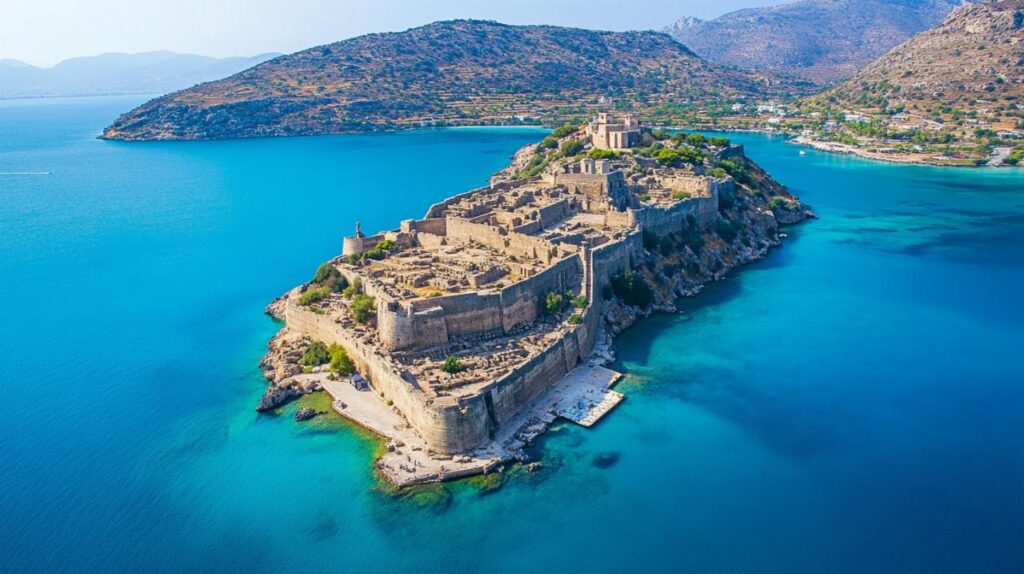
Nestled within the shimmering embrace of Mirabello Bay, a small rocky islet has captivated countless visitors with its striking beauty and poignant past. This enigmatic destination, accessible only by boat from the charming coastal settlements nearby, beckons travellers seeking a profound connection to history and a glimpse into a world long forgotten yet vividly remembered. The journey to this remarkable location reveals layers of heritage shaped by Venetian ambition, Ottoman conquest, and the resilience of individuals who transformed isolation into community.
Spinalonga's fascinating historical journey: from venetian fortress to leper colony
The island's strategic role during venetian and ottoman rule
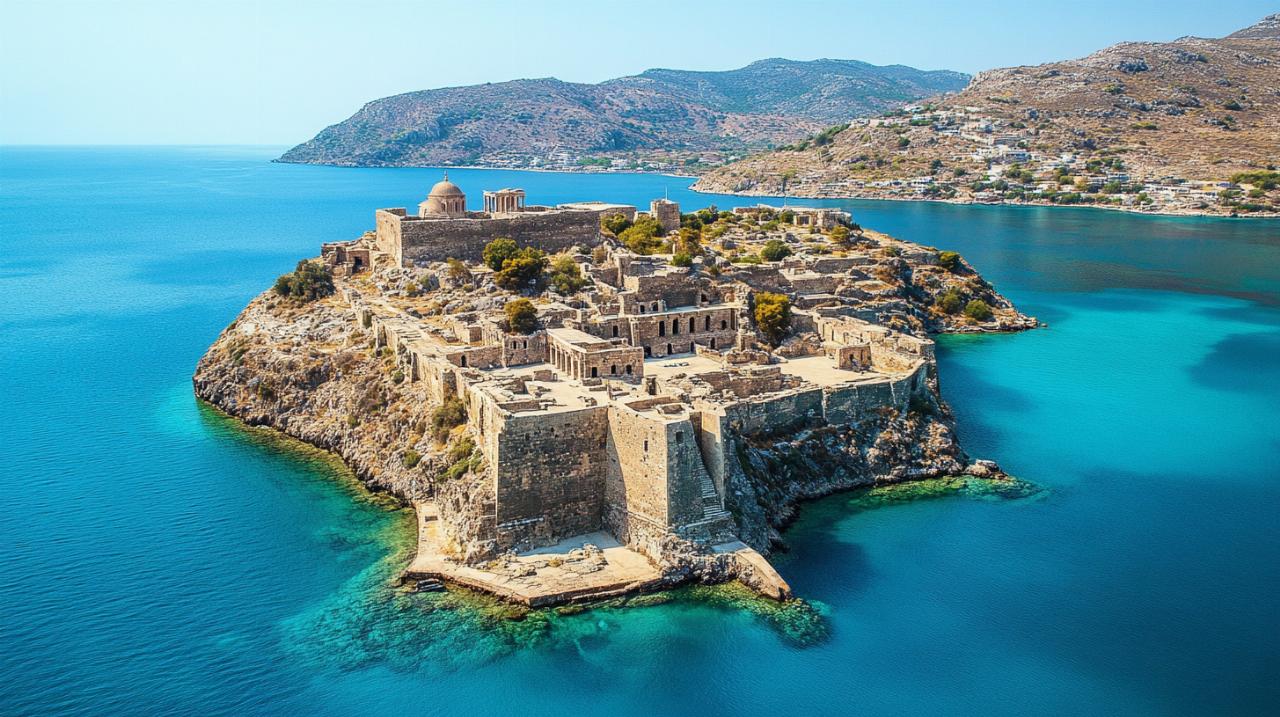
Originally known as Kalydon and covering an area of just under one square kilometre, this islet was deliberately severed from the Elounda peninsula by Venetian engineers in 1526. Their purpose was unequivocal: to create a formidable sea fortress capable of safeguarding vital maritime routes across the Mediterranean. The fortifications erected during this period stood as a testament to Venetian architectural prowess, with sturdy walls and strategic vantage points designed to repel invaders. For nearly two centuries, the island served as a bulwark against Ottoman expansion, its garrison maintaining vigilance over the azure waters below.
The tides of power eventually shifted when Ottoman forces captured the fortress in 1715, marking the end of Venetian dominion over this corner of Crete. Under Ottoman administration, the island continued to hold strategic significance, though its military importance gradually waned as regional conflicts evolved. The transition of control underscored the complex tapestry of Mediterranean geopolitics, where fortresses and islands changed hands in response to shifting alliances and ambitions. By 1903, following the broader changes sweeping through the region, the island became part of the modern Greek state, setting the stage for its most poignant chapter.
Life Within the Forgotten Colony: Stories of Resilience and Community
From 1903 until 1957, the island functioned as a leper colony, serving as a place of enforced isolation for those afflicted with leprosy. At its height, nearly four hundred individuals called this remote outpost home, their lives circumscribed by stigma and fear yet animated by remarkable resilience. Initial conditions were harsh, with inadequate housing and limited medical care compounding the suffering of residents. Yet amid these challenges, a spirit of determination emerged, transforming the settlement into a functioning community with its own social structures, services, and even forms of entertainment.
Central to this transformation was Epaminondas Remountakis, a law student who himself became a patient. Recognising the dire need for collective action, he founded the Brotherhood of the Sick, an organisation dedicated to improving living standards and advocating for the rights of residents. Through his efforts, houses were built, basic amenities established, and a sense of dignity restored to lives that society had largely abandoned. A priest named Chrysanthos Katsoulogiannakis volunteered to live among the residents, offering spiritual solace and further cementing the bonds of community. These acts of compassion and solidarity turned the island into a place where humanity endured despite profound adversity.
The discovery of effective antibiotics in 1948 heralded the beginning of the end for the colony. As treatment became available, the population dwindled, and by 1957 the island was finally emptied of its residents. For years thereafter, the very name of the island carried a weight of taboo, its history obscured by lingering prejudice. It was not until Victoria Hislop penned her novel that public perception began to shift, dispelling misconceptions and illuminating the extraordinary stories of those who had lived there. The subsequent television adaptation further brought these narratives to a wider audience, ensuring that the legacy of courage and community would not be forgotten.
Planning Your Visit to This Enigmatic Island Near Elounda and Agios Nikolaos
Boat Excursions and Travel Ideas for Exploring Spinalonga's Landscapes
Reaching this historical site requires a short voyage across the sparkling waters of Mirabello Bay, with boat departures available from several nearby settlements. The closest embarkation point is the village of Plaka, where the crossing takes mere minutes and costs around ten euros each way. Alternatively, travellers can depart from Elounda, a slightly longer journey that offers stunning coastal views, or from Agios Nikolaos, the largest town in the area, where fares range from sixteen to twenty euros. These excursions typically operate from April through October, though it is advisable to check availability outside peak season.
Upon arrival, visitors are greeted by a landscape steeped in both natural beauty and historical significance. The exposed terrain, swept by sea breezes and bathed in Mediterranean sunlight, demands preparation: ample water, protective headwear, and sun cream are essential for a comfortable exploration. No guided tours are available directly on the island, so those seeking deeper insights should arrange for a knowledgeable guide beforehand. The entrance fee of approximately eight euros grants access to the entire site, where crumbling buildings, winding pathways, and the remnants of the fortress await discovery.
Renting a car provides the flexibility to explore the surrounding region at leisure, given the limited public transport options in eastern Crete. From Heraklion, the journey eastward along the coast reveals a succession of picturesque villages, hidden coves, and panoramic vistas that epitomise the island's allure. The drive to Elounda or Plaka takes roughly an hour, allowing ample time to appreciate the evolving landscapes and plan additional stops along the way.
Combining Your Journey with Nearby Beaches, Crystal Clear Waters, and Minoan Civilization Sites
A visit to this enigmatic island pairs beautifully with exploration of the broader region, where crystal clear waters lap against golden sands and ancient ruins whisper tales of vanished civilizations. Elounda itself is a delightful coastal town, offering a blend of relaxed beaches, waterfront tavernas, and boutique accommodation. The nearby peninsula, accessible via a bridge, provides tranquil walking trails and secluded spots perfect for reflection.
Further afield, the archaeological site of Knossos stands as a must-see testament to the Minoan civilization, one of the most advanced cultures of the ancient Mediterranean. Located a short drive from Heraklion, the palace complex invites visitors to wander through labyrinthine corridors, admire vibrant frescoes, and imagine the grandeur of a society that flourished millennia ago. Combining a road trip to Knossos with a boat excursion to the island creates a rich tapestry of experiences, blending natural beauty with layers of historical depth.
The town of Agios Nikolaos, with its charming harbour and lively waterfront, serves as an excellent base for exploring the area. Here, travellers can savour Cretan cuisine, browse local markets, and enjoy evening strolls along the promenade. The town's central location makes it a convenient hub for day trips to beaches, mountain villages, and archaeological sites, ensuring that each day brings new discoveries.
The cultural legacy and must-see places around crete's mysterious beauty
Victoria Hislop's Influence and the Island's Place in Modern Cretans' Lives
The publication of Victoria Hislop's novel marked a turning point in how the island's story was perceived and shared. By weaving a compelling narrative around the lives of fictional characters inspired by real events, the book brought international attention to a place that had long been shrouded in silence. The subsequent television series, filmed on location, further amplified this impact, drawing visitors from across the globe eager to walk the same pathways and see the same vistas depicted on screen.
For modern Cretans, the island has evolved from a source of stigma into a symbol of resilience and cultural heritage. Local communities have embraced its history, recognising the importance of preserving the site for future generations. Guided tours, educational programmes, and ongoing conservation efforts reflect a commitment to honouring the memory of those who lived there while ensuring that the lessons of compassion and humanity remain relevant. The island now stands as the second most visited archaeological site in Crete, surpassed only by Knossos, a testament to its enduring appeal.
The transformation of public perception underscores the power of storytelling in shaping collective memory. What was once known as the island of the living dead is now celebrated for the lives lived there, the struggles overcome, and the community forged in the face of adversity. This shift in narrative invites visitors to engage with the site not merely as a relic of the past but as a living testament to human dignity and perseverance.
Road Trip Suggestions: From Heraklion to Knossos Palace and Beyond with Car Rental
Embarking on a road trip across Crete offers unparalleled freedom to explore the island's diverse landscapes and hidden treasures. Starting from Heraklion, the island's largest city and home to a major airport, travellers can head directly to the palace of Knossos, where the Minoan civilization once flourished. The journey takes less than half an hour, making it an ideal first stop for those eager to delve into ancient history. Walking through the reconstructed throne room, admiring the vivid frescoes, and contemplating the sophisticated engineering of the palace complex provides a captivating introduction to Crete's rich past.
From Knossos, the route eastward towards Agios Nikolaos winds through terraced hillsides, olive groves, and traditional villages where time seems to slow. Stopping for refreshment in a local taverna or browsing artisan workshops adds texture to the journey, revealing the island's contemporary culture alongside its historical legacy. The drive to Elounda or Plaka, gateway to the island, offers numerous opportunities to pause and savour the scenery, whether at a secluded beach or a clifftop viewpoint.
Car rental services are widely available in Heraklion and other major towns, with options ranging from compact vehicles ideal for winding coastal roads to larger models suited for families or groups. Having a rental centre nearby ensures flexibility in planning, allowing spontaneous detours to discover lesser-known beaches, mountain monasteries, or charming villages that seldom appear in guidebooks. This independence transforms a simple visit into a comprehensive exploration, weaving together the island's natural beauty, archaeological wonders, and contemporary charm into a seamless and unforgettable experience.