Stepping into a new year brings with it the exciting opportunity to refresh your living space and embrace innovative approaches to home styling. Whether you’re contemplating a complete overhaul or simply seeking subtle updates, the current wave of interior design trends for 2026 offers a wealth of inspiration that balances timeless elegance with modern sensibilities. From the resurgence of moodier colour schemes to the growing emphasis on sustainability and texture, these movements reflect a collective desire for spaces that feel both personal and purposeful. Let’s delve into the key elements shaping contemporary interiors and discover how you can elevate your home’s aesthetic with confidence and creativity.
Contemporary colour palettes and textures transforming modern spaces
The way we perceive colour in our homes is evolving, with a noticeable shift towards hues that evoke depth, warmth, and tranquillity. Rather than clinging to the bright and airy pastels that dominated recent years, homeowners are now gravitating towards shades that create a more enveloping and intimate atmosphere. This transformation is not merely about selecting a different paint swatch but about understanding how colour interacts with light, texture, and the overall mood of a room.
Earthy tones and natural materials taking centre stage
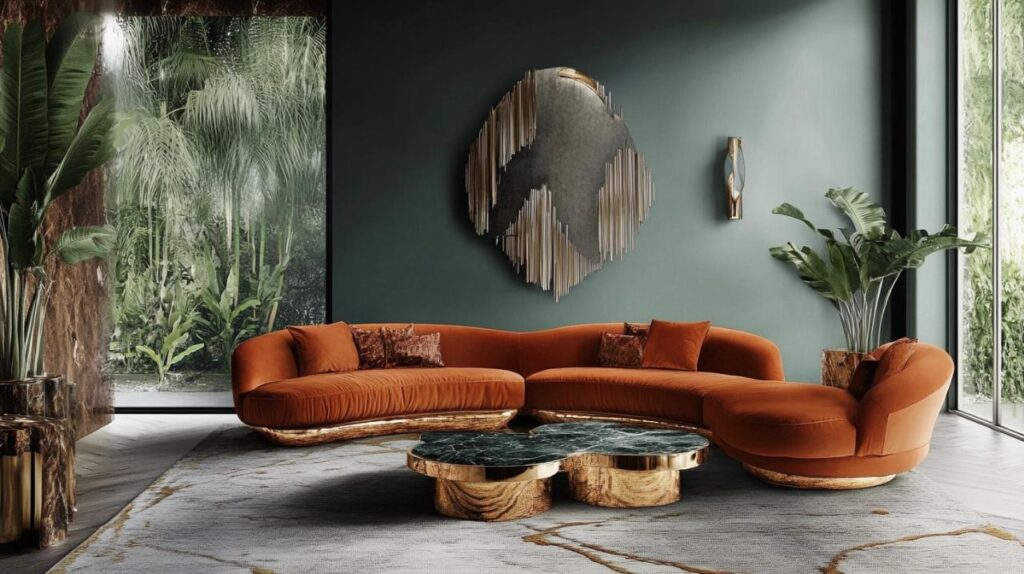
One of the most compelling interior design trends 2026 is the embrace of earthy tones, particularly the rise of rich, chocolatey browns that replace the lighter coffee and biscuit shades of previous seasons. These deeper brown tones offer a cocooning effect, wrapping a room in warmth and sophistication. They serve as an ideal backdrop for layering textures and introducing natural materials, which are becoming increasingly central to contemporary interiors. The use of natural linen, woven fabrics, and textural textiles adds a tactile dimension that encourages relaxation and comfort. Imagine a living room where walls painted in a sumptuous brown tone are complemented by cushions and throws crafted from simple yet elegant woven materials, creating a space that feels both grounded and inviting.
The trend towards quieter interiors further amplifies this focus on understated elegance. Neutral tones and tonal rooms are gaining favour, not through minimalism but by incorporating more texture and patina. This approach celebrates imperfection and the beauty of aged or weathered surfaces, encouraging homeowners to explore new horizons in their design choices. Antique furniture and vintage revival pieces are making a comeback, not as statement items but as integral components of a cohesive, lived-in aesthetic. A traditional pedestal sink or an antique chest repurposed as a vanity can inject character and history into a bathroom or bedroom, moving away from the rigid perfection of bespoke joinery.
Adding to this natural palette is the resurgence of sage green, a colour that breathes serenity and elegance into any setting. This shade has become a protagonist in homes that seek a balance between modernity and nature, often paired with wooden elements and plants to enhance the connection to the outdoors. The integration of natural decor and elements such as wooden windows or handcrafted furniture reinforces the appeal of organic materials, making spaces feel more authentic and harmonious.
Bold accent walls and textural layering techniques
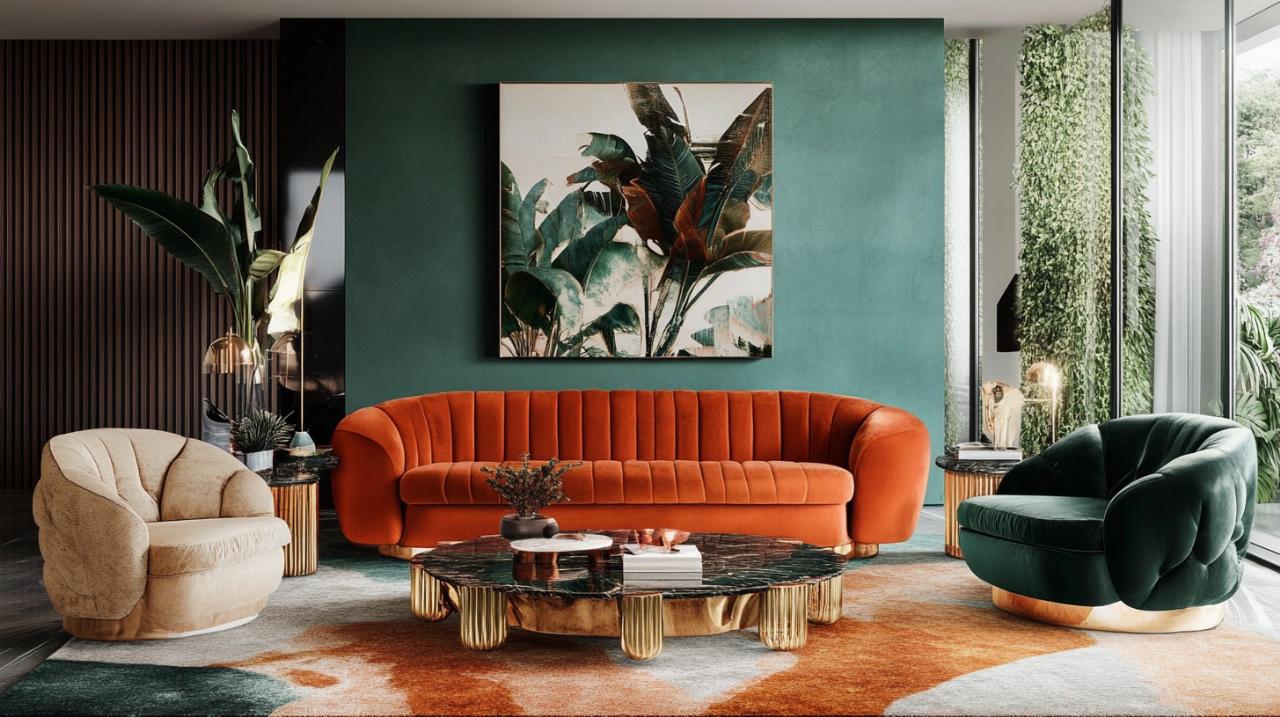
While earthy neutrals dominate, there is also a resurgence of bold colour choices that add drama and personality to interiors. Blue, in particular, is experiencing a renaissance. Darker, moodier blues such as cobalt blue and grey-blue are making a comeback, along with teal shades that bring a sense of depth and sophistication. These hues are increasingly popular in kitchens and bathrooms, where they can create a striking focal point without overwhelming the space. Icy blues paired with light browns offer a fresh yet calming palette, perfect for those who wish to explore new horizons while maintaining a sense of tranquillity.
The Pantone Colour of the Year 2026, Cloud Dancer, embodies a light, airy white that serves as a versatile canvas for layering colours and textures. This shade encourages the mixing of patterns and the introduction of micro-motifs, which are gaining popularity for adding subtle visual rhythm without cluttering a room. Small scale prints and mosaic tiles, often paired with wooden joinery, evoke a modernist or 1970s style that feels both nostalgic and contemporary. The shift away from larger zellige tiles towards smaller mosaic options reflects a desire for intricate detail and craftsmanship.
Hand-painted walls are another technique gaining traction, offering a unique and personalised touch that mass-produced finishes cannot replicate. This method allows for the incorporation of texture and artistic expression, transforming a simple wall into a work of art. Mixing different patterns and mixed wood tones further enhances this layered approach, reminiscent of the eclectic, warm interiors of the 1970s. The unclenching of joinery, as noted in current trends, signifies a move away from overly precise, uptight cabinetry towards more relaxed and characterful solutions that celebrate individuality and creativity.
Silver finishes, chrome, and stainless steel are also making a comeback, bringing a touch of nostalgia and modernity to interiors. These materials can be used in fixtures, lighting, and accessories to add a reflective quality that brightens spaces and complements both cool and warm colour schemes. The interplay between these metallic accents and textural textiles creates a dynamic visual interest that is both sophisticated and approachable.
Sustainable and Multifunctional Design Elements for Today’s Homes
Beyond aesthetics, the latest interior design trends are deeply rooted in practicality and environmental consciousness. Modern homeowners are increasingly aware of the impact their choices have on the planet and are seeking solutions that are both beautiful and responsible. This shift is driving a renewed interest in sustainable materials, multifunctional furniture, and design strategies that enhance the efficiency and longevity of living spaces.
Eco-friendly furnishings and vintage revival pieces
The resurgence of nostalgic design is not merely a stylistic choice but a reflection of a broader commitment to sustainability. Mixing old and new items allows homeowners to create interiors that are rich in history and character while reducing waste and the demand for new manufacturing. Vintage revival pieces, from antique chests to modernist chairs, offer unique craftsmanship that is often superior to mass-produced alternatives. These items carry stories and patina that cannot be replicated, adding depth and authenticity to any room.
Eco-friendly furnishings extend beyond the use of reclaimed or antique items. There is a growing market for furniture and textiles made from sustainable materials such as natural linen, organic cotton, and responsibly sourced wood. These materials not only reduce environmental impact but also contribute to healthier indoor air quality. Textural textiles, such as simple woven fabrics, can be used as wall hangings, headboards, or cushions, adding warmth and tactile appeal while supporting sustainable production practices.
The trend towards surrealism and playful, unconventional craftsmanship also intersects with sustainability. By embracing joyful and exuberant elements, such as humanoid chairs or lamps that resemble birds, designers and homeowners are encouraged to think creatively about the function and form of their furnishings. This approach often leads to the repurposing of existing items and the incorporation of handmade or artisanal pieces, which support local economies and reduce the carbon footprint associated with long-distance shipping and mass production.
Moreover, the focus on plants and natural elements within interiors not only enhances the aesthetic but also contributes to a healthier living environment. Plants improve air quality, reduce stress, and create a connection to nature that is increasingly valued in urban settings. Incorporating elements such as wooden windows or spa-style heating solutions, including spa heating and water heaters, can further enhance the comfort and sustainability of a home. Technologies such as water softeners and energy-efficient systems, including modern light bulbs and thermal insulation, are becoming integral to the design process, ensuring that aesthetic choices do not compromise functionality or environmental responsibility.
Clever storage solutions and flexible living areas
As homes become more multifunctional, the need for clever storage solutions and flexible living areas has never been more critical. Contemporary interior design trends 2026 emphasise the importance of maximising space without sacrificing style. This is particularly relevant in urban environments where square footage is at a premium and rooms often serve multiple purposes throughout the day.
One approach to achieving this flexibility is the move away from rigid, overly perfect bespoke joinery towards more adaptable and characterful storage solutions. Antique furniture, such as chests and cabinets, can be repurposed to provide both storage and visual interest. These pieces often feature unique hardware and craftsmanship that add personality to a room while offering practical functionality. The trend towards an unclenching of joinery encourages homeowners to explore new horizons in design, mixing traditional and modern elements to create spaces that are both practical and beautiful.
Flexible living areas are also being enhanced by the strategic use of colour and texture. Quieter interiors with neutral tones and subtle pattern mixing create a versatile backdrop that can be easily adapted to different activities and moods. For example, a living room designed with mixed wood tones and textural textiles can serve as a comfortable space for relaxation during the day and a more formal setting for entertaining in the evening. The layering of small scale prints and micro-motifs adds visual interest without overwhelming the senses, making it easier to transition between different uses of the space.
In kitchens and bathrooms, the integration of multifunctional elements is particularly important. The popularity of blue colour trend in these areas, especially in shades like cobalt blue and teal, provides a fresh and modern look while also being practical and timeless. The use of mosaic tiles paired with wooden joinery offers both durability and aesthetic appeal, evoking a modernist or 1970s style that feels both nostalgic and contemporary. These design choices are often complemented by sustainable technologies, such as energy-efficient appliances and water-saving fixtures, which contribute to a home’s overall functionality and environmental footprint.
Furthermore, the incorporation of elements such as natural linen and hand-painted walls can transform utilitarian spaces into calming retreats. A bathroom designed with a zen or spa style, featuring natural elements and plants, becomes a sanctuary for relaxation and self-care. The use of sustainable materials and thoughtful design not only enhances the aesthetic but also supports a lifestyle that values well-being and environmental stewardship.
Fire safety and energy consumption are also critical considerations in modern interiors. The choice of light bulbs, the quality of ballast in lighting systems, and the implementation of thermal insulation all play a role in creating a safe, efficient, and comfortable home. Even seemingly mundane elements, such as the design of underground car parks or the installation of industrial washing machines, are being reconsidered through the lens of sustainability and efficiency. By addressing these practical concerns alongside aesthetic choices, homeowners can create spaces that are truly fit for modern living.
In conclusion, the interior design trends for 2026 offer a rich tapestry of ideas that blend colour, texture, sustainability, and functionality. From the embrace of earthy tones and natural materials to the resurgence of bold blues and nostalgic design, these trends reflect a desire for homes that are both beautiful and meaningful. The emphasis on eco-friendly furnishings, vintage revival pieces, and clever storage solutions demonstrates a commitment to responsible living and creative problem-solving. By exploring new horizons in design and embracing the interplay of old and new, homeowners can create interiors that not only enhance their home’s aesthetic but also support a more sustainable and fulfilling way of life.