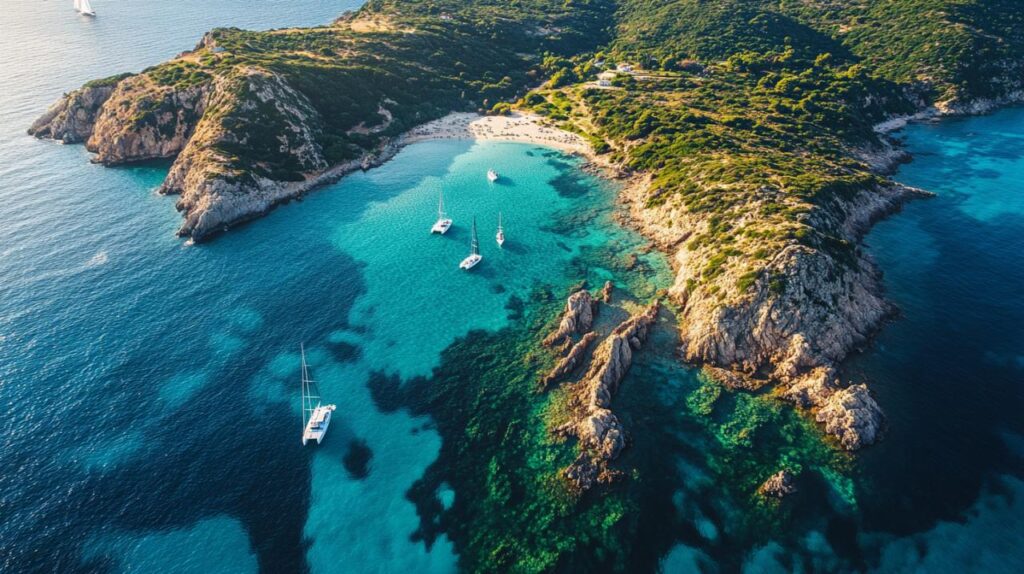
Nestled between the southern coast of Corsica and the islands of Sardinia, Cavallo Island represents one of the Mediterranean's most exclusive and intimate getaways. This tiny French island boasts pristine beaches, crystal-clear waters, and an atmosphere of tranquility that attracts discerning travellers seeking respite from busier tourist destinations. Understanding the climate conditions of this remarkable location is essential for planning a memorable visit, as the weather patterns significantly influence the activities and experiences available throughout the year.
Understanding cavallo island's mediterranean climate patterns
Cavallo Island shares the Mediterranean climate characteristic of Corsica and the surrounding region, offering visitors a delightful combination of warm, dry summers and mild, wetter winters. The island benefits from an impressive average of approximately seven and a half hours of daily sunshine across the year, creating ideal conditions for beach holidays and outdoor pursuits during much of the calendar. This generous sunshine allowance contributes to the island's reputation as a premier destination for luxury holidays and romantic retreats, where clear skies and temperate conditions enhance the natural beauty of the landscape.
Seasonal temperature variations throughout the year
The temperature profile of Cavallo Island follows a predictable Mediterranean pattern, with gradual warming from winter through to summer and a gentle decline as autumn progresses. During the winter months, temperatures remain relatively mild compared to much of Europe, with readings typically hovering around the mid-teens. January sees average temperatures of around thirteen degrees, whilst February offers a slight improvement at fourteen degrees. These cooler months provide opportunities for cultural experiences and festive celebrations, though visitors planning outdoor activities may wish to consider the mountainous areas of Central Corsica for skiing and winter sports.
As spring arrives, the island begins to awaken with increasing warmth and longer days. March brings temperatures rising to sixteen degrees, whilst April offers a more appealing eighteen degrees, making it an excellent time for beachgoers and outdoor adventures to begin exploring the coastline. May represents a particularly attractive period, with temperatures climbing into the low twenties and sunshine duration extending to ten hours daily, creating perfect conditions for those seeking to enjoy the beaches without the intensity of peak summer heat.
The summer season transforms Cavallo Island into a sun-drenched paradise, with June introducing temperatures of twenty-five degrees that prove ideal for beach holidays and water activities. July sees averages reaching twenty-seven degrees, whilst August claims the title of hottest month with temperatures soaring into the high twenties. These months attract visitors from Calvi, St Florent, and other regions of Corsica who seek the ultimate beach experience. September maintains pleasantly hot conditions at around twenty-six degrees, allowing for various activities from swimming to walking holidays, whilst October offers a still-comfortable twenty-two degrees maximum temperature, perfect for outdoor adventures without the summer crowds.
Rainfall distribution and dry periods
The rainfall pattern on Cavallo Island follows the typical Mediterranean distribution, with the majority of precipitation occurring during the autumn and winter months whilst summers remain predominantly dry. This characteristic creates extended periods of reliably sunny weather during the peak tourist season, ensuring that visitors booking holiday accommodation such as villas, apartments, or hotels can confidently plan outdoor activities without significant concern for disruption. The dry summer months align perfectly with the island's appeal for family holidays and self-drive tours exploring the region.
During the wetter months, rainfall tends to arrive in concentrated bursts rather than persistent drizzle, meaning that even during November and December, there remain ample opportunities for exploration and sightseeing between showers. The island's proximity to the waters of the Mediterranean also moderates temperature extremes, preventing the harsh cold that affects more continental locations. This maritime influence ensures that even when temperatures drop during winter, the conditions remain relatively comfortable for those interested in cultural experiences or exploring the charming settlements and natural landscapes that characterise the Valinco region and surrounding areas.
Best Times to Visit Cavallu Island Based on Weather
Selecting the optimal time to visit Cavallo Island depends largely on individual preferences regarding temperature, crowd levels, and the specific activities one wishes to pursue. The island's climate offers distinct advantages during different seasons, allowing travellers to tailor their visit to match their holiday aspirations, whether seeking bustling summer energy or peaceful autumn tranquillity.
Peak summer conditions and tourist season
The months of July and August represent the height of summer tourism on Cavallo Island, when the weather reaches its zenith and the island welcomes the greatest number of visitors. These months offer average high temperatures of twenty-seven to twenty-eight degrees, combined with twelve and eleven hours of daily sunshine respectively, creating picture-perfect conditions for beach holidays and water sports. The Mediterranean waters reach their warmest temperatures during this period, making swimming, snorkelling, and other aquatic activities particularly enjoyable.
However, the popularity of these months brings both advantages and considerations. The vibrant atmosphere created by fellow holiday-makers contributes to a lively ambience, and nearby Ajaccio hosts cultural events such as jazz festivals that add to the summer appeal. Accommodation options including hotels, residences, and houses tend to be in high demand, meaning early booking is advisable for those planning luxury holidays or romantic retreats during this period. The consistent weather conditions make these months particularly suitable for families with children whose holiday dates are constrained by school schedules.
Shoulder season benefits for climate-conscious travellers
For those seeking a balance between favourable weather conditions and a more peaceful experience, the shoulder seasons of late spring and early autumn present compelling alternatives. May offers particularly attractive conditions with temperatures in the low twenties and ten hours of daily sunshine, creating ideal circumstances for walking holidays and outdoor exploration without the intensity of midsummer heat. The island's natural beauty flourishes during this period, with vegetation still green from spring rains and wildflowers adding colour to the landscape.
September and October extend the summer season with pleasantly warm temperatures of twenty-six and twenty-two degrees respectively, whilst the gradual decrease in visitor numbers creates a more tranquil atmosphere. These months prove especially suitable for romantic retreats where couples value privacy and serenity, as well as for outdoor enthusiasts who appreciate comfortable temperatures for hiking and exploring the diverse terrain that extends from coastal paths to the rugged interior resembling Central Corsica's landscape. The sea retains much of its summer warmth well into October, allowing for continued enjoyment of beach activities.
Early summer, particularly June, offers another sweet spot for visitors. With temperatures reaching twenty-five degrees and eleven hours of daily sunshine, this month provides excellent beach holiday conditions before the peak crowds arrive. The combination of warm weather and relatively quieter beaches makes June particularly appealing for families with flexibility in their travel dates, as well as for those undertaking self-drive tours who wish to explore the surrounding regions including the Balagne coastline and the dramatic landscapes of the North East.
Preparing for cavallo island's weather during your stay
Proper preparation for Cavallo Island's climate conditions ensures comfort and maximises enjoyment throughout your visit. Understanding what to pack and anticipating the environmental conditions allows travellers to make the most of their time on this exclusive Mediterranean destination, regardless of the season chosen for their getaway.
Essential Items to Pack for Different Seasons
For summer visits during June through September, lightweight and breathable clothing forms the foundation of appropriate packing. Natural fabrics that allow air circulation prove most comfortable during the warmest months when temperatures climb into the high twenties. Sun protection becomes paramount during this season, with high-factor sunscreen, wide-brimmed hats, and quality sunglasses essential for preventing overexposure during beach activities. Despite the predominantly dry conditions, a light waterproof jacket provides insurance against the occasional summer shower, though rainfall remains relatively rare during these months.
Evening temperatures on Cavallo Island can drop more noticeably than on the mainland, particularly during the shoulder seasons, so including a warmer layer such as a jumper or cardigan proves worthwhile even during summer months. For those visiting during spring or autumn, versatile layering becomes more important, with a combination of short and long-sleeved options allowing adaptation to fluctuating daytime temperatures. October visitors should pack slightly warmer clothing for evenings whilst still including summer items for daytime outdoor adventures.
Winter travellers planning visits during December through February should include warmer clothing suitable for temperatures in the mid-teens, though the conditions remain mild compared to northern European destinations. A proper waterproof jacket becomes more essential during these months when rainfall occurs more frequently. For those considering excursions to the mountainous Central Corsica region for skiing or winter walking, appropriate cold-weather gear including insulated layers, waterproof trousers, and sturdy footwear becomes necessary, though such items may not be required on the island itself.
Wind Patterns and Sea Conditions to Consider
The Mediterranean location of Cavallo Island means that wind patterns play a significant role in the daily weather experience, particularly for those engaging in water-based activities or spending extended periods on exposed beaches. The island can experience periodic strong winds, with certain prevailing patterns affecting different seasons. Understanding these conditions helps visitors select appropriate beaches and plan activities accordingly, as some coastal areas offer more shelter than others depending on wind direction.
During summer months, gentle sea breezes provide welcome relief from the heat, particularly during the hottest parts of the day when temperatures peak in the high twenties. These breezes make beach holidays more comfortable and create ideal conditions for sailing and other wind-dependent water sports. However, occasional stronger wind episodes can develop, sometimes bringing changes in sea conditions that affect swimming safety and boat transfers to the island. Consulting local weather forecasts and heeding advice from accommodation providers at villas or hotels ensures that activities are planned with appropriate awareness of current conditions.
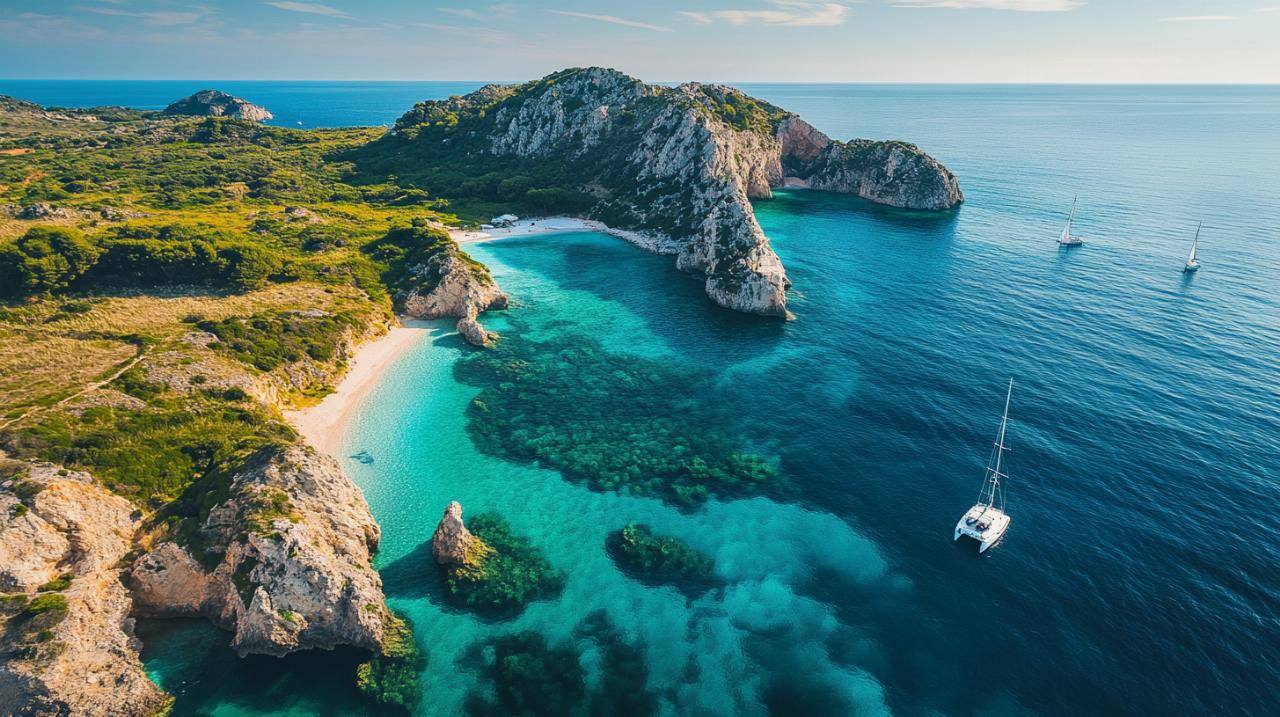
Sea conditions around Cavallo Island generally remain calm during the summer months, with the Mediterranean living up to its reputation for tranquil waters ideal for swimming, snorkelling, and paddling. The clarity of the water surrounding the island ranks among the finest in the region, often compared favourably to the renowned beaches of St Florent and L'Extrême Sud. During autumn and winter, sea conditions can become more variable, with occasional rougher periods that may affect boat access to the island and make some water activities less advisable. Those planning visits during these seasons should maintain flexibility in their itineraries to accommodate potential weather-related adjustments.
For visitors interested in walking holidays or exploring the island's interior, wind conditions typically pose fewer challenges, though exposed coastal paths may experience stronger gusts. The diverse topography of the island offers protected areas where outdoor activities remain comfortable even when coastal areas experience breezier conditions. Understanding the daily weather patterns, which often see calmest conditions during morning hours before afternoon breezes develop, allows for strategic planning of activities to maximise comfort and enjoyment throughout your stay on this remarkable French island destination.