
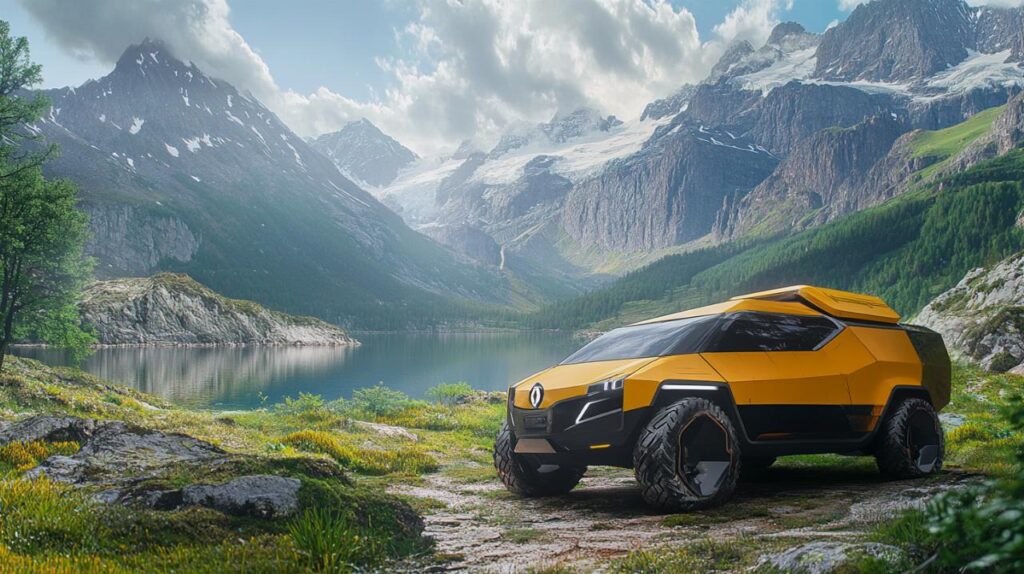
The internet has a peculiar way of transforming speculation into something resembling fact, and the supposed Dacia Sandman campervan is a prime example of this phenomenon. Social media channels and online forums have buzzed with excitement over this mythical vehicle, painting it as an affordable solution for outdoor enthusiasts eager to embrace the freedom of the open road. However, the reality is far less thrilling than the rumours suggest, and understanding the true financial commitment of campervan ownership requires a closer look at what actually exists in the market rather than chasing digital mirages.
Debunking the Dacia Sandman Myth: Separating Fact from Fiction
Why the dacia sandman doesn't actually exist
Despite the enthusiasm surrounding the name, the Dacia Sandman as a dedicated campervan simply does not exist. What has been generating considerable online chatter is actually the Dacia Sandman compact crossover, a vehicle expected to launch between late 2025 and early 2026. This model is positioned to sit comfortably between the popular Sandero hatchback and the larger Duster SUV, offering rugged styling and practicality without venturing into the realm of campervans. Built on the reliable Renault-Nissan CMF-B platform, the Sandman is designed for families, outdoor enthusiasts, and budget-conscious buyers who value honest pricing and dependable performance. The core engine option is expected to be a 1.5-litre petrol unit delivering approximately 130 brake horsepower, with fuel economy figures hovering around 45 to 50 miles per gallon. Base prices are estimated to range between £18,000 and £24,000, making it an attractive proposition for those seeking value rather than luxury or serious off-road prowess.
Understanding the Origins of This Viral Campervan Rumour
The confusion seems to stem from a combination of wishful thinking and the blending of information across different platforms. Enthusiasts familiar with Dacia's reputation for affordability and practicality have long hoped for a dedicated campervan from the brand, given the rising popularity of staycations and outdoor adventures. The name Sandman itself evokes images of adventure and travel, which likely contributed to the narrative being shaped around a camping-ready vehicle. Add to this the fact that Dacia's existing models, particularly the Duster, have been modified by third-party converters into camping setups, and it becomes clear how the lines between reality and speculation became blurred. Social media algorithms further amplified these discussions, creating echo chambers where the fictional campervan took on a life of its own. The truth, however, remains that Dacia has not announced any official plans for a factory-built campervan under the Sandman name, and what buyers will actually see is a compact crossover designed for everyday versatility rather than extended outdoor living.
The real financial investment behind campervan ownership
Initial purchase costs: what budget-conscious buyers need to know
For those genuinely interested in campervan ownership, the initial purchase price is only the beginning of the financial journey. Entry-level campervans in the United Kingdom typically start around £30,000 for basic conversions or used models, while brand-new factory-built campervans from established manufacturers can easily exceed £60,000 or more. These figures reflect the complexity of creating a vehicle that functions both as reliable transport and as comfortable living accommodation. Features such as pop-top roofs, fold-out beds, integrated kitchen units, and storage solutions all contribute to the overall cost. Buyers should also consider the age and mileage of the base vehicle, as older models may offer lower upfront costs but potentially higher maintenance expenses down the line. Financing options are available, but they come with interest rates and monthly commitments that can stretch household budgets. The dream of owning a campervan must therefore be balanced with a realistic assessment of what one can afford not just to buy, but to maintain and operate over the years.

Hidden expenses: insurance, maintenance, and running costs explained
Beyond the purchase price, campervan ownership introduces a host of ongoing expenses that can catch first-time buyers off guard. Insurance premiums for campervans tend to be higher than those for standard cars due to the increased value of the vehicle and the specialist nature of the conversion. Annual policies can range from £400 to over £1,000 depending on factors such as the owner's age, driving history, and the specific model. Maintenance costs are another significant consideration, as campervans require regular servicing not only for the mechanical components but also for the living amenities. Water systems, heating units, and electrical installations all need periodic inspection and repair, which can be costly if specialist knowledge is required. Running costs, including fuel consumption, road tax, and potential storage fees when the vehicle is not in use, add further to the financial burden. Fuel efficiency varies widely, with larger campervans consuming considerably more than smaller, more compact alternatives. Road tax can be substantial, particularly for older diesel models that fall into higher emissions brackets. Prospective owners must also factor in the cost of campsites, which can range from modest fees at basic locations to premium rates at fully-serviced holiday parks. All these elements combine to create a financial picture that demands careful planning and realistic budgeting.
Affordable Alternatives to the Fictional Sandman for Outdoor Enthusiasts
Genuine Budget-Friendly Campervans Available in the UK Market
For those who remain undeterred by the costs and are determined to embrace the campervan lifestyle, several genuine alternatives exist in the UK market that offer practical solutions without breaking the bank. The Volkswagen Caddy California, for instance, provides a compact yet functional option that includes a small kitchen unit and sleeping arrangements suitable for couples or solo travellers. Similarly, the Peugeot Rifter and Citroën Berlingo have been converted by various companies into affordable micro-campervans, offering flexibility and ease of parking in urban environments. These smaller models typically cost between £25,000 and £35,000, making them more accessible to a wider audience. Used campervans from reputable brands such as Volkswagen, Ford, and Mercedes-Benz also represent a viable route, with prices varying according to age, condition, and mileage. Buyers should conduct thorough inspections and consider obtaining independent mechanical assessments to avoid costly surprises. The second-hand market can be unpredictable, but patient shoppers willing to invest time in research and viewings can uncover excellent value. Joining enthusiast forums and attending campervan shows can provide valuable insights and connections with sellers who genuinely care about their vehicles and the community.
Converting your own vehicle: a practical route to adventure
An increasingly popular alternative to purchasing a ready-made campervan is undertaking a self-conversion, transforming a standard van into a bespoke living space tailored to individual needs and preferences. This approach offers the dual benefits of cost savings and complete creative control, allowing owners to prioritise features that matter most to them. Base vehicles such as the Ford Transit Custom, Vauxhall Vivaro, or Renault Trafic can be purchased used for as little as £10,000, providing a solid foundation for conversion. From there, the investment can be scaled according to budget and ambition, with basic setups costing just a few thousand pounds for essentials like a bed platform, storage, and portable cooking equipment. More elaborate conversions incorporating fixed kitchens, water systems, insulation, and electrical installations can run into tens of thousands, but still often come in below the cost of a factory-built campervan. The process requires time, practical skills, and careful planning, but the rewards extend beyond financial savings. Many owners find immense satisfaction in crafting a space that reflects their personality and travel style, and the online community of self-builders is both welcoming and generous with advice and inspiration. Whether opting for a weekend project or a full-scale renovation, converting your own vehicle represents a tangible and rewarding path to outdoor adventure without the inflated price tag of commercial offerings.