The Cosmiques Hut stands as an iconic threshold to one of Europe's most revered alpine summits, where mountaineers from across the globe gather to prepare for their Mont Blanc ascent. Nestled at a dizzying altitude, this refuge offers not merely a bed for the night but a window into the raw, unfiltered experience of high-altitude mountaineering. From the camaraderie shared over evening meals to the nerve-wracking pre-dawn departures, life at this mountain refuge reveals the true essence of alpinism and the relentless pursuit of the summit.
The cosmiques hut: gateway to mont blanc's majestic heights
Alpine architecture perched at 3,613 metres
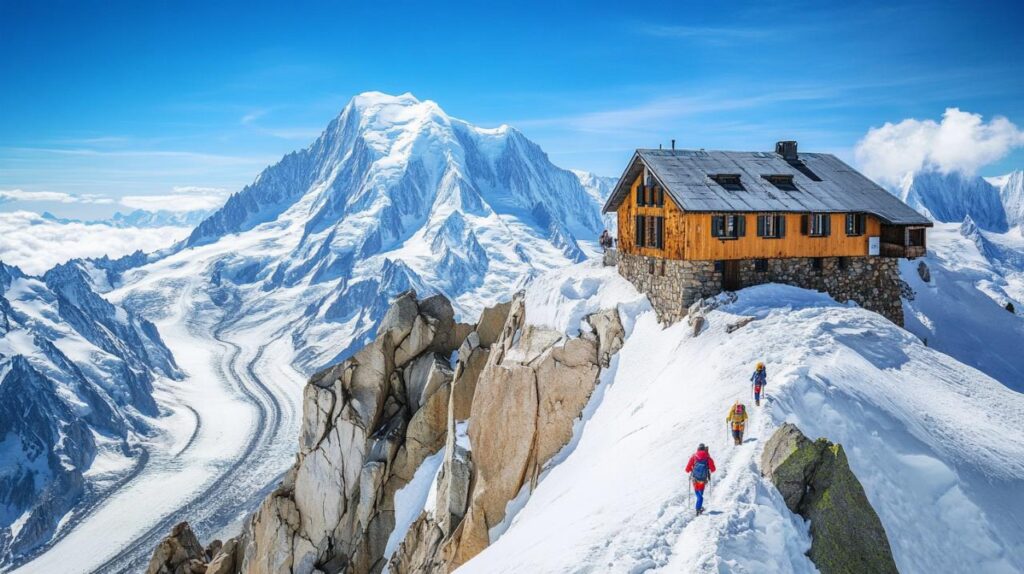
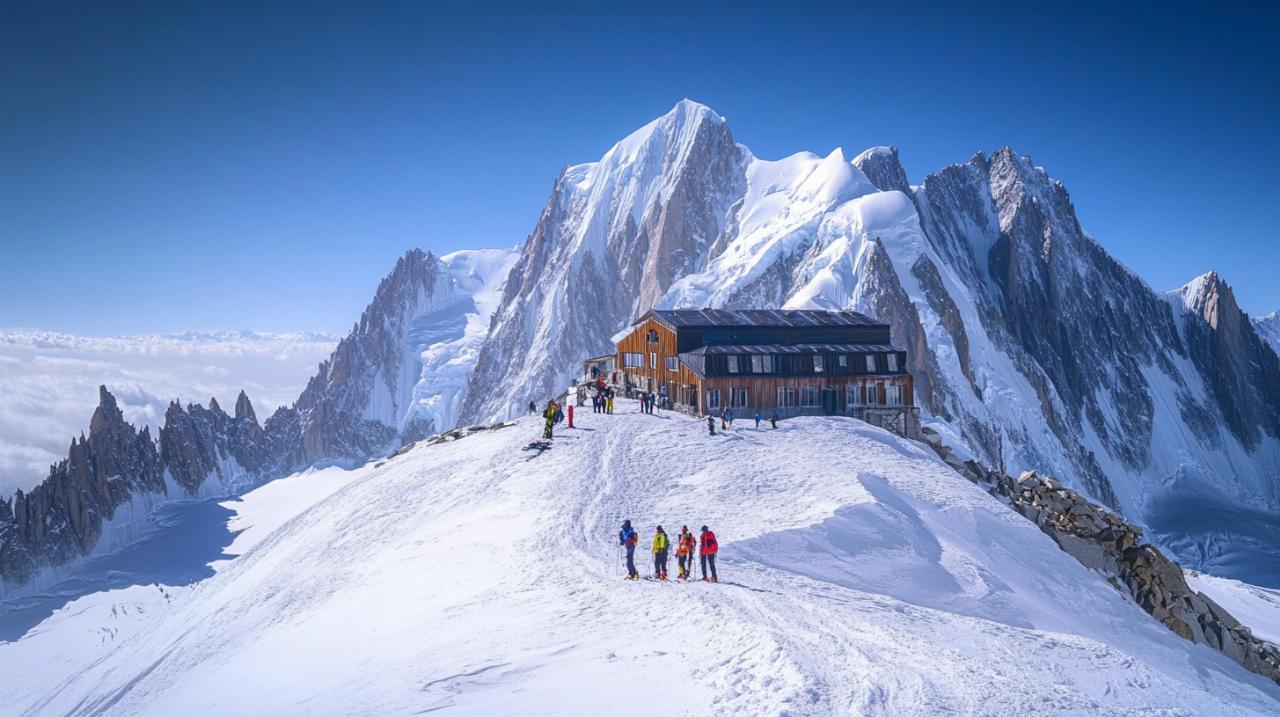
Perched precariously on the Aiguille du Midi ridge at 3,613 metres, the Cosmiques Hut is a marvel of alpine engineering, clinging to the mountainside as if defying gravity itself. The refuge is accessible via a dramatic cable car journey that whisks climbers from the valley floor in Chamonix to the realm of permanent ice and snow in a matter of minutes. This modern hut, rebuilt and expanded over the decades, provides essential shelter in an environment where exposure to the elements can prove fatal within hours. Its sturdy construction must withstand ferocious winds, plummeting temperatures, and the constant threat of avalanches that characterise this extreme altitude. Despite its robust design, the hut retains a certain rustic charm, with wooden bunks lining dormitory-style rooms and communal spaces that encourage conversation among weary climbers. Large windows frame breathtaking panoramas of jagged peaks and endless glaciers, offering a constant reminder of the grandeur and peril that await just beyond the door.
Daily Routines and Practicalities of Mountain Refuge Living
Life at the Cosmiques Hut follows a regimented rhythm dictated by the mountain itself and the demands of safe ascent. Climbers typically arrive in the late afternoon, securing their sleeping spots in the crowded dormitories before settling in for an early evening meal. The dining hall buzzes with anticipation as mountaineers share stories, compare weather forecasts, and discuss route conditions over hearty plates of pasta and bread designed to fuel the intense exertion ahead. Water supplies can freeze solid in the extreme cold, forcing climbers to carefully manage their hydration and rely on melted snow or insulated bottles. As darkness falls, the hut quiets down rapidly, with most climbers retiring by eight or nine in the evening to catch precious hours of rest before the pre-dawn wake-up call. Sleep comes fitfully for many, as the altitude affects breathing and the nervous excitement of the impending summit attempt churns through minds. The thin air at this elevation means every breath requires conscious effort, and even simple tasks like organising gear or changing clothes become exhausting endeavours that leave climbers gasping.
Preparing for the Mont Blanc Summit: A Mountaineer's Perspective
Essential kit and acclimatisation strategies
Successful mountaineers understand that proper preparation extends far beyond packing the right equipment, though the kit list for a Mont Blanc ascent remains formidable. Crampons, ice axes, harnesses, ropes, and layers of technical clothing must all be checked and rechecked, as a single forgotten item or equipment failure can spell disaster on the exposed slopes above. Beyond physical gear, nutrition plays a crucial role in maintaining energy levels during the gruelling climb. Many climbers follow specific dietary advice in the weeks leading up to their attempt, focusing on carbohydrate loading and proper hydration strategies. Some even experiment with exogenous ketones and other nutritional supplements promoted by brands such as Powerbar, seeking any marginal gain that might improve performance at extreme altitude. Acclimatisation remains the most critical factor, with experienced mountaineers spending days at progressively higher elevations before attempting the summit. The body requires time to adjust to reduced oxygen levels, and rushing this process invites acute mountain sickness or worse. Training programmes for such endurance challenges often draw parallels with preparation for extreme sports like cycling marathons, including events such as the Oetztaler, where sustained physical effort over many hours tests the limits of human capability.
Weather Windows and Route Planning from the Hut
Weather conditions at altitude can shift with frightening speed, transforming a clear morning into a whiteout blizzard within hours, making careful monitoring essential. Climbers at the Cosmiques Hut spend their evening studying forecasts, consulting with hut guardians who possess intimate knowledge of local patterns, and debating whether the predicted window will hold. The decision to attempt the summit or wait another day carries enormous weight, as deteriorating weather can trap climbers on exposed ridges or trigger avalanche risk on the steep icy slopes that characterise the upper reaches of Mont Blanc. Most ascents begin in the darkest hours before dawn, when temperatures remain coldest and the snowpack most stable, reducing the likelihood of avalanches. The standard route from the hut involves crossing the Tacul glacier before ascending steep mixed terrain toward the summit, a journey that typically requires ten to twelve hours of continuous climbing. Descent poses its own unique challenges, as warming snow under the strengthening sun increases avalanche risk throughout the afternoon, forcing climbers to move swiftly despite mounting fatigue. Those who linger too long on the descent risk being caught in dangerous conditions as the mountain transforms from a frozen fortress into a more unpredictable environment where snow slides become increasingly probable.
The Human Experience: Stories from the Cosmiques Refuge
Camaraderie and shared moments among climbers
Within the cramped confines of the Cosmiques Hut, barriers between strangers dissolve rapidly as climbers from diverse backgrounds unite around their common goal. Conversations flow easily in the dining hall and dormitories, with mountaineers exchanging tips about climbing techniques, sharing concerns about the weather, and recounting tales from previous mountain ascents. This sense of camaraderie extends beyond mere friendliness, evolving into a genuine support network where more experienced alpinists offer guidance to novices and rope teams form organically based on compatible paces and objectives. The shared vulnerability of the mountain environment creates bonds that would take months to develop in ordinary circumstances. Laughter punctuates anxious discussions about route conditions, and the simple act of passing around chocolate or sharing a thermos of hot tea becomes a gesture of solidarity. Even in moments of extreme fatigue or fear, climbers find strength in knowing they are surrounded by others who understand the unique challenges they face. These human connections transform what could be a purely physical ordeal into a profoundly social experience, reminding participants that alpinism has always been as much about community as individual achievement.
Sunrise Departures and Return Celebrations at the Hut
The pre-dawn hours at the Cosmiques Hut crackle with nervous energy as climbers stumble from their bunks, don frozen boots, and prepare for departure. Headtorches bob in the darkness as rope teams assemble outside, final checks completed in hushed tones to avoid disturbing those attempting a few more precious minutes of rest. As the first climbers disappear into the night, their lights creating a serpentine chain ascending toward the invisible summit, those remaining behind watch with a mixture of envy and relief. Hours later, when successful summiteers return to the hut, the atmosphere transforms entirely. Exhaustion etches every face, but triumph shines through the fatigue as climbers recount their experiences atop Mont Blanc's snowy crown. Some celebrate with reserved satisfaction, while others embrace with uninhibited joy, the shared achievement cementing friendships forged in adversity. The final leg of the journey involves descending to the cable car station, where tourists in summer clothing gape at the ice-encrusted, hollow-eyed mountaineers who have just completed what many consider the ultimate European alpine challenge. This stark contrast between the mountain's brutal reality and the sanitised tourist experience serves as a poignant reminder of the extraordinary world that exists just beyond the reach of the casual visitor, a realm where human endurance is tested against nature's most magnificent and unforgiving landscapes.