
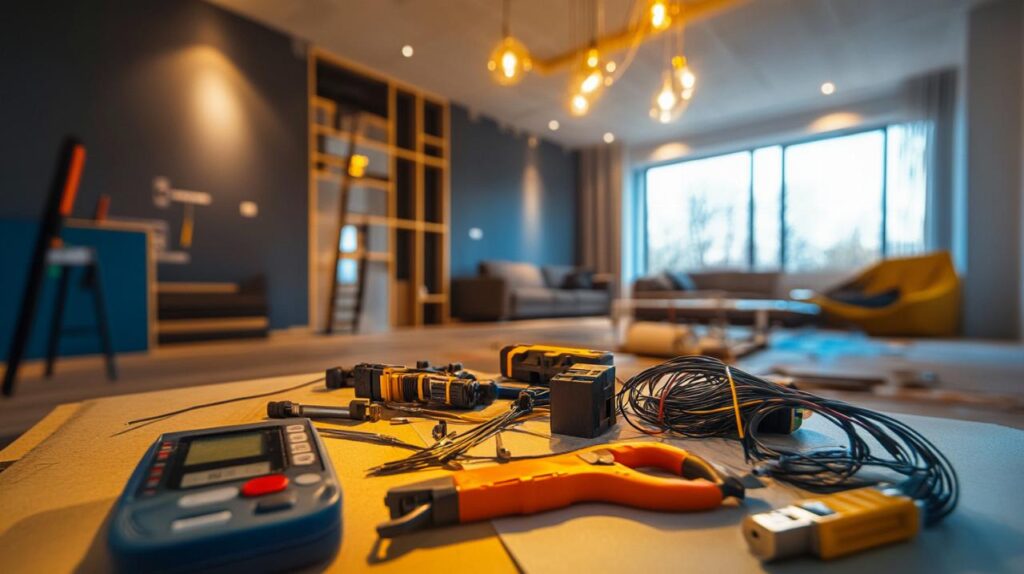
Embarking on a home renovation project requires careful consideration of both aesthetics and functionality. While stylish designs capture the imagination, the underlying electrical infrastructure remains the foundation of any successful transformation. Understanding which electrical tools to have on hand not only streamlines the renovation process but also ensures that every installation meets the highest standards of safety and efficiency. From precision instruments to robust testing devices, equipping yourself with the right tools transforms ambitious renovation plans into tangible, beautiful living spaces.
Must-have electrical tools for your home makeover
When planning a home makeover that involves electrical installations or modifications, assembling the correct toolkit becomes essential. Professional electricians rely on a diverse array of hand tools, power tools, and testing equipment to complete their work efficiently and safely. For homeowners undertaking DIY electrical projects or coordinating with electrical professionals, familiarity with these tools proves invaluable. The right selection of screwdrivers, pliers, and wire strippers forms the backbone of any electrical work, enabling precise connections and modifications throughout the property.
Power tools significantly enhance productivity, particularly when tackling larger renovation tasks. A cordless drill remains indispensable for mounting fixtures, creating pilot holes, and driving screws through various materials. Rotary hammers excel at penetrating masonry and concrete when installing conduit systems or mounting electrical boxes in challenging locations. An oscillating multi-tool offers versatility for cutting, sanding, and scraping in tight spaces where traditional tools cannot reach. These power tools not only accelerate the renovation timeline but also deliver professional-grade results that elevate the overall quality of the installation.
Wire Strippers and Cutters: Precision for Professional Results
Wire strippers stand as one of the most frequently used tools in any electrical project, enabling clean removal of insulation without damaging the conductor beneath. Quality wire strippers feature adjustable gauges to accommodate various wire sizes, ensuring consistent results across different applications. Paired with robust wire cutters, these tools allow for precise cable management and termination. Cable terminals require careful preparation, and using dedicated wire strippers ensures that each connection maintains optimal conductivity and reliability. When you travel in style with Ergom electrical solutions, you gain access to professional-grade wire preparation tools that deliver consistent performance across residential and industrial applications.
The craftsmanship evident in properly stripped and terminated wires directly influences both safety and aesthetics. Exposed conductors must meet exact specifications to fit securely within terminals and connectors, preventing loose connections that could generate heat or cause electrical failures. Professional electricians understand that even minor imperfections in wire preparation can compromise the entire installation, which explains their meticulous attention to detail. For home renovators seeking to achieve professional standards, investing in high-quality wire strippers and cutters proves essential, transforming what might otherwise be challenging tasks into straightforward procedures that yield reliable, long-lasting results.
Voltage testers and multimeters: ensuring electrical safety
Before commencing any electrical work, verifying that circuits are de-energised remains paramount. Voltage testers provide quick confirmation that power has been successfully isolated, protecting workers from potentially fatal electric shocks. These compact devices detect the presence of voltage without requiring physical contact with bare conductors, offering an additional layer of safety. Circuit breaker finders complement voltage testers by helping identify which breaker controls a specific circuit, eliminating guesswork and reducing the risk of working on live conductors.
Multimeters represent more sophisticated testing equipment, capable of measuring voltage, current, resistance, and continuity. These versatile instruments prove invaluable for troubleshooting electrical faults, verifying proper installation, and ensuring that circuits function as intended. An insulation resistance tester goes further, assessing the integrity of cable insulation and identifying potential breakdown points before they cause failures. Together, these testing and measurement tools provide comprehensive diagnostic capabilities, enabling both professional electricians and knowledgeable homeowners to maintain the highest standards of electrical safety throughout the renovation process.
Safety measures and best practices during electrical renovations
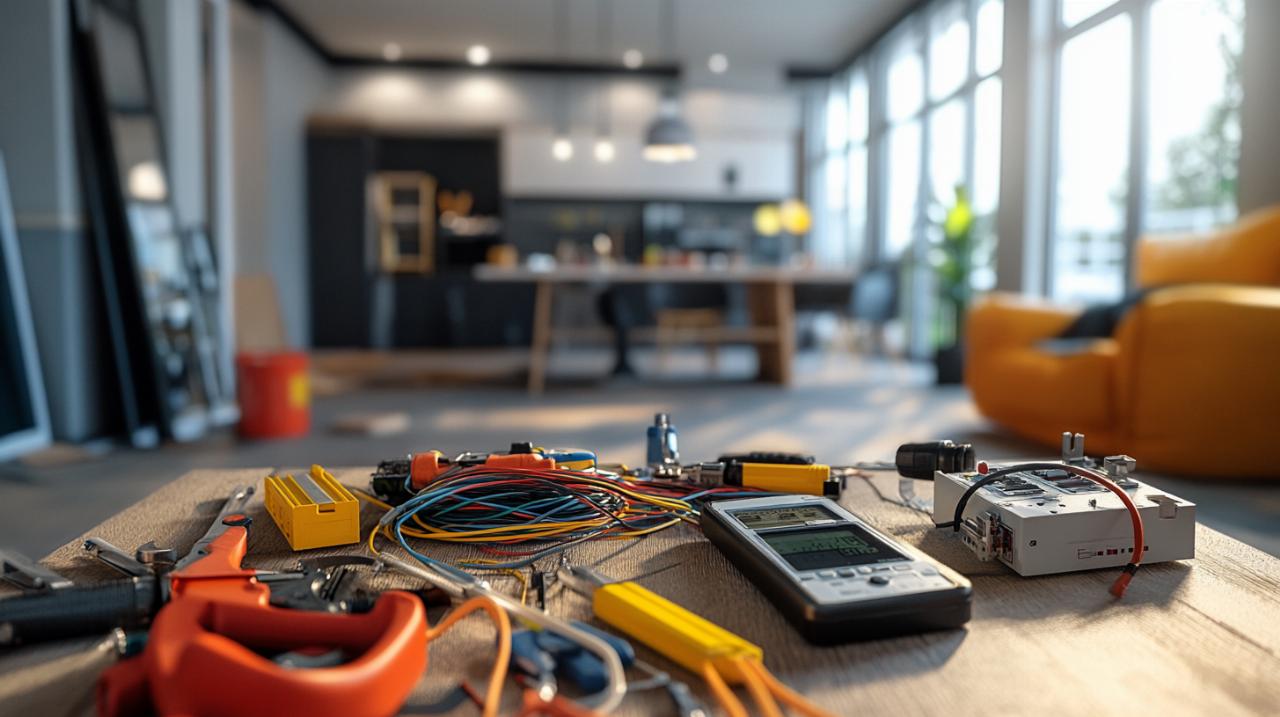
Safety considerations must guide every aspect of electrical renovation work. Understanding proper protocols and implementing rigorous safety measures protects not only those performing the work but also future occupants of the renovated space. Electrical hazards present unique dangers that demand respect and careful management, from the immediate risk of electric shock to the longer-term concerns of fire hazards from improper installations. Establishing a culture of safety begins with thorough planning and extends through every phase of the renovation project.
Proper planning and circuit isolation techniques
Effective planning forms the foundation of safe electrical renovation work. Before touching any wiring or components, creating a comprehensive plan that identifies all affected circuits, required materials, and potential challenges prevents costly mistakes and dangerous oversights. Mapping existing electrical systems reveals interdependencies that might not be immediately obvious, helping to avoid accidental disruption of critical circuits. This planning phase also provides an opportunity to consider future electrical needs, ensuring that renovations accommodate both current requirements and anticipated expansion.
Circuit isolation techniques require strict adherence to established procedures. After identifying the relevant circuit breaker, switching it to the off position represents only the first step. Verifying de-energisation using a voltage tester confirms that power has truly been interrupted, protecting against situations where circuit breakers might be mislabelled or incorrectly mapped. Locking out the breaker panel using appropriate lockout-tagout devices prevents accidental re-energisation while work progresses. For particularly complex renovations involving multiple circuits, creating a dedicated isolation plan ensures that all potentially affected systems receive proper attention, maintaining workplace safety throughout the project duration.
Personal protective equipment for electrical work
Personal protective equipment serves as the last line of defense against electrical hazards, and selecting appropriate gear requires careful consideration of the specific risks present. Insulated gloves rated for the relevant voltage levels protect hands from electric shock while allowing sufficient dexterity for precise work. Safety glasses shield eyes from debris generated during cutting, drilling, and installation activities, whilst also protecting against arc flash in the unlikely event of an electrical fault. Hard hats become essential when working in areas where overhead hazards exist, particularly during structural modifications that accompany electrical renovations.
Flame-resistant clothing provides critical protection against arc flash and thermal hazards associated with electrical work. These specialized garments resist ignition and self-extinguish when exposed to flames, reducing burn injuries in worst-case scenarios. Whilst such protective measures might seem excessive for routine residential electrical work, the consequences of electrical accidents justify comprehensive precautions. Professional electricians understand that consistent use of personal protective equipment represents an investment in their long-term wellbeing, and homeowners undertaking electrical projects would be wise to adopt similar standards. Beyond individual protection, maintaining organised work areas free from clutter reduces trip hazards and ensures that emergency exits remain accessible, contributing to overall workplace safety throughout the renovation process.