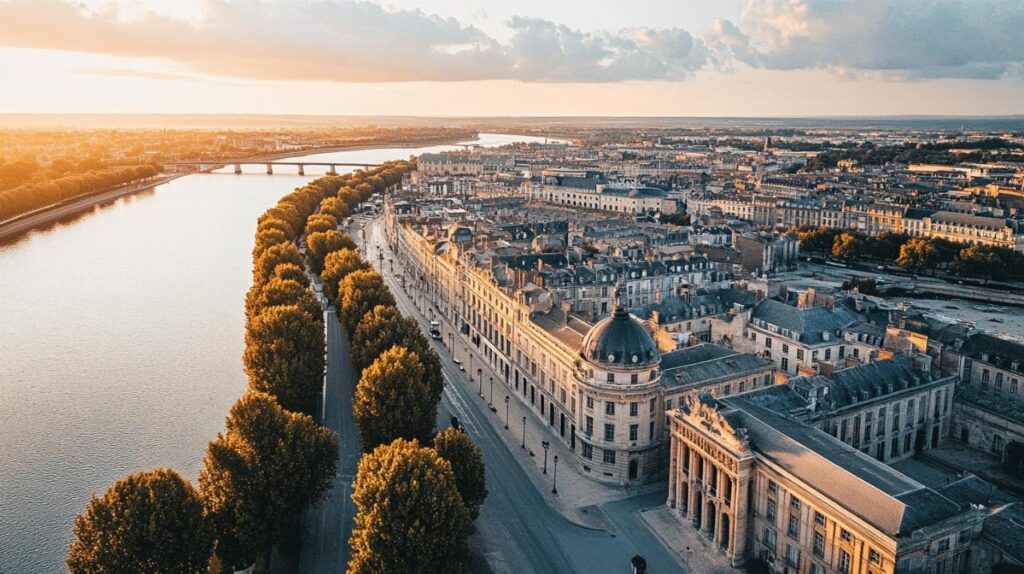
Bordeaux stands as one of France's most captivating destinations, where centuries of history blend seamlessly with modern creativity. This elegant city along the Garonne River offers visitors an extraordinary mix of architectural splendour, world-class viticulture, and vibrant contemporary culture. From grand eighteenth-century squares to medieval villages nestled among vineyards, Bordeaux presents a wealth of experiences that captivate travellers seeking both refinement and authenticity. Its historic centre, recognised as a UNESCO World Heritage site, provides the perfect backdrop for exploring art, culture, and the renowned wine traditions that have shaped the region's identity for generations.
Place de la Bourse and the Mesmerising Water Mirror
The Architectural Splendour of Place de la Bourse
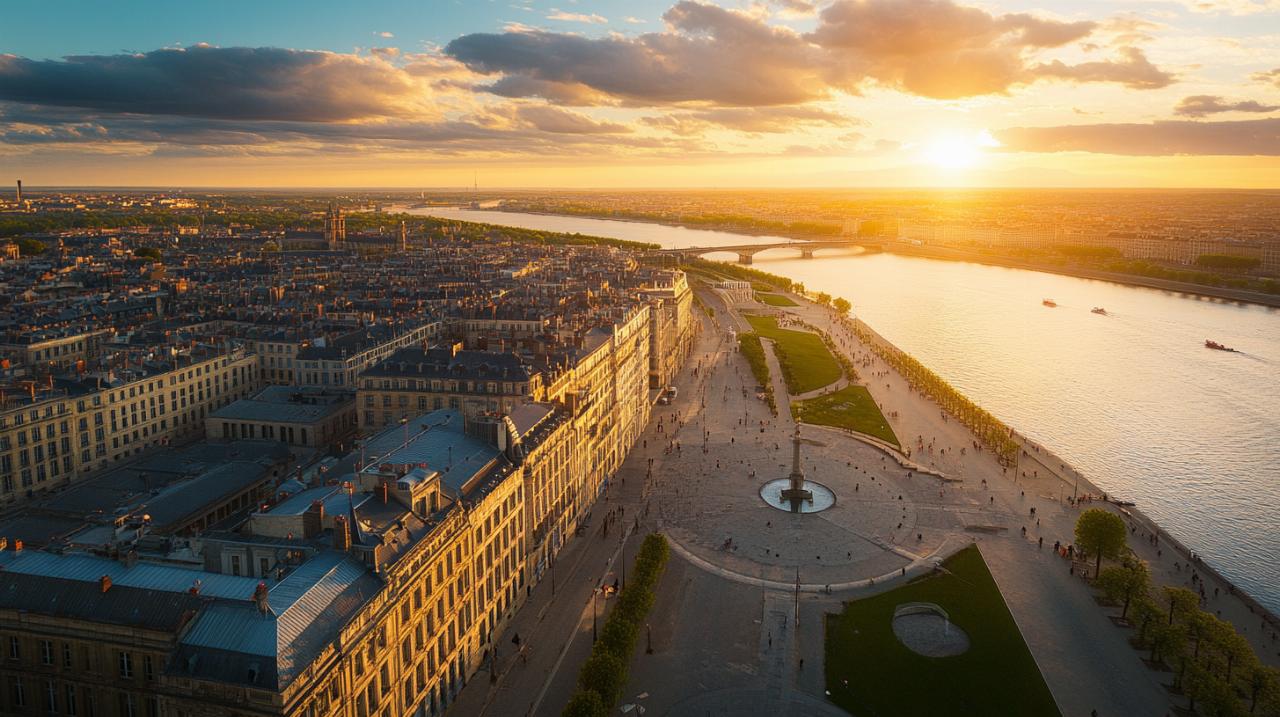
Place de la Bourse represents one of the most striking examples of classical French architecture in all of Bordeaux. Constructed during the eighteenth century, this magnificent square showcases the elegance and symmetry that defined the era's urban planning. The buildings that frame the square feature harmonious facades adorned with ornate stonework, tall windows, and graceful proportions that speak to the wealth and ambition of Bordeaux during its golden age of commerce. As you stand in the centre of this architectural masterpiece, it becomes immediately apparent why visitors from around the world make this location a priority on their itinerary. The square opens directly onto the riverfront, creating a seamless connection between the city's built environment and the natural beauty of the Garonne. This careful integration of urban design with the surrounding landscape demonstrates the sophistication of Bordeaux's historical urban planners, who understood the importance of creating public spaces that inspire both contemplation and admiration.
Experiencing the Enchanting Miroir d'Eau
Adjacent to Place de la Bourse lies one of Bordeaux's most innovative modern installations, the Miroir d'Eau or Water Mirror. This expansive reflecting pool transforms the experience of the historic square by creating a stunning visual doubling effect. A thin layer of water covers the granite surface, perfectly mirroring the eighteenth-century architecture above and the sky beyond. The installation operates on a carefully timed cycle, alternating between the smooth reflecting surface and dramatic mist effects that envelop visitors in clouds of vapour. Children and adults alike delight in walking through the shallow water, especially during warm summer evenings when the setting sun casts golden light across both the real buildings and their liquid reflections. The Water Mirror has become an iconic symbol of how Bordeaux honours its heritage whilst embracing contemporary artistic expression. Photographers particularly treasure this location, as the interplay of light, water, and historic architecture creates endless opportunities for capturing memorable images. The installation demonstrates Bordeaux's commitment to making its public spaces dynamic and engaging, inviting interaction rather than passive observation.
Saint-émilion: a journey through vineyards and medieval charm
Wine Tasting Adventures in the Saint-Émilion Region
The landscape surrounding Saint-Émilion offers some of the most prestigious wine-producing territory in the entire world. Rolling hills covered with meticulously maintained vineyards stretch as far as the eye can see, their neat rows creating patterns that change with the seasons. The region's unique terroir, combining limestone plateaus with clay and gravel slopes, produces wines of exceptional character and complexity. Visiting the châteaux and estates that dot this countryside provides insight into centuries of viticultural tradition and the passionate dedication of winemakers who continue to refine their craft. Many properties welcome visitors for tastings, offering the opportunity to sample renowned appellations whilst learning about the intricate processes that transform grapes into celebrated bottles. The experience extends beyond simply drinking wine; it encompasses understanding the relationship between soil, climate, grape varieties, and human expertise. Guides at these estates often share fascinating stories about harvests past, the evolution of winemaking techniques, and the distinct characteristics that make Saint-Émilion wines so highly regarded among connoisseurs. The intimate scale of many family-run properties creates a welcoming atmosphere where questions are encouraged and appreciation for the winemaker's art deepens with each glass.
Exploring the Historic Village and Underground Monuments
The medieval village of Saint-Émilion itself proves equally captivating as the surrounding vineyards. Narrow cobblestone streets wind between honey-coloured limestone buildings, leading to hidden squares and unexpected vistas across the countryside below. The village's compact size encourages leisurely wandering, with discoveries awaiting around each corner. Beneath the surface, an extraordinary network of underground monuments reveals the spiritual and practical ingenuity of past inhabitants. The monolithic church, carved entirely from living rock during the medieval period, stands as a remarkable testament to faith and determination. Descending into this cavernous space creates an almost otherworldly experience, as the scale and ambition of the project become apparent. The cool, dim interior provides welcome respite from summer heat whilst inspiring contemplation about the countless hours of labour required to create such a space. Beyond the church, catacombs and ancient cellars extend through the limestone, some now serving as ageing facilities for the precious wines produced above ground. Guided tours illuminate the connections between the village's religious heritage, its strategic importance during various historical periods, and the wine trade that has sustained the community for centuries. Walking these streets and exploring these subterranean spaces connects visitors directly to the layered history that makes Saint-Émilion such an exceptional destination.
Bordeaux cathedral: a testament to gothic grandeur
The architectural magnificence of cathédrale saint-andré
Rising majestically in the heart of Bordeaux, the Cathédrale Saint-André represents one of the finest examples of Gothic architecture in southwestern France. The cathedral's imposing facade, with its intricate stone tracery and soaring vertical lines, immediately commands attention and respect. Construction spanned several centuries, resulting in a complex layering of architectural styles that reflects the evolving tastes and capabilities of successive generations. The separate bell tower, known as the Tour Pey-Berland, stands apart from the main structure, its slender profile offering a striking counterpoint to the cathedral's substantial mass. Visitors who climb the tower's spiral staircase are rewarded with panoramic views across Bordeaux's rooftops, providing perspective on how the historic centre fits within the broader urban fabric. Inside the cathedral, the nave stretches upward to remarkable heights, its vaulted ceiling supported by elegant columns that create a rhythmic progression toward the altar. Light filters through stained glass windows, casting coloured patterns across the stone floors and creating an atmosphere of serene beauty. The sheer scale of the interior space inspires a sense of awe, reminding visitors of the cathedral's original purpose as a place where the human spirit reaches toward the divine.
Discovering the cathedral's rich historical heritage
Beyond its architectural splendour, Cathédrale Saint-André holds profound historical significance for Bordeaux and the broader region. The cathedral has witnessed countless important events throughout French history, including royal weddings and religious ceremonies that shaped the nation's destiny. Its walls have stood through wars, revolutions, and periods of both prosperity and hardship, serving as a constant presence in the lives of Bordeaux's residents. Exploring the cathedral's chapels reveals a wealth of artistic treasures, from medieval sculptures to ornate altarpieces that demonstrate the skill of craftsmen across the ages. Each element tells part of the broader story of faith, power, and community that has unfolded within these sacred walls. The cathedral's role extended beyond purely religious functions; it served as a gathering place where civic life intersected with spiritual practice, where news was shared, and where the community came together during times of celebration and crisis. Today, visitors can still attend services or simply sit quietly in the pews, experiencing the same sense of peace and contemplation that has drawn people to this space for nearly a millennium. The careful preservation and ongoing maintenance of the cathedral ensures that future generations will continue to benefit from this remarkable architectural and cultural heritage, making it an essential destination for anyone seeking to understand Bordeaux's identity and character.