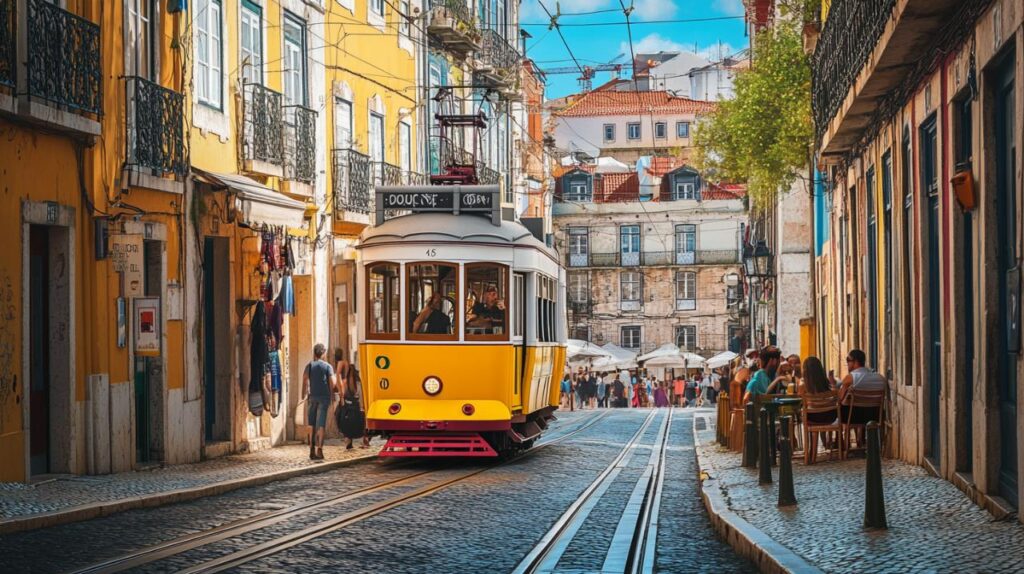
Lisbon, the vibrant capital of Portugal, unfolds along the Tagus River with its iconic yellow trams, historic neighbourhoods, and centuries-old monuments that beckon travellers from across the globe. This enchanting city combines rich maritime heritage with contemporary culture, offering a perfect blend of exploration and relaxation for a memorable weekend escape. Whether you're wandering through cobblestone streets, admiring UNESCO World Heritage sites, or savouring the famous pastel de nata, three days in Lisbon provides an ideal introduction to this captivating destination.
Day one: historic centre and iconic monuments
Morning Exploration of Castelo de São Jorge and Alfama's Miradouros
Your first morning in Lisbon begins with a journey to the hilltop Castelo de São Jorge, the ancient Moorish fortress that has watched over the city for centuries. This impressive castle offers panoramic vistas across terracotta rooftops and the shimmering Tagus River below. The entrance fee stands at fifteen euros, a worthwhile investment for access to the fortress walls, archaeological site, and observation terraces that provide some of the finest views in the Portuguese capital. After exploring the castle grounds, descend into the labyrinthine streets of Alfama, Lisbon's oldest neighbourhood, where whitewashed houses adorned with colourful tiles create a picturesque maze of narrow alleyways and hidden squares.
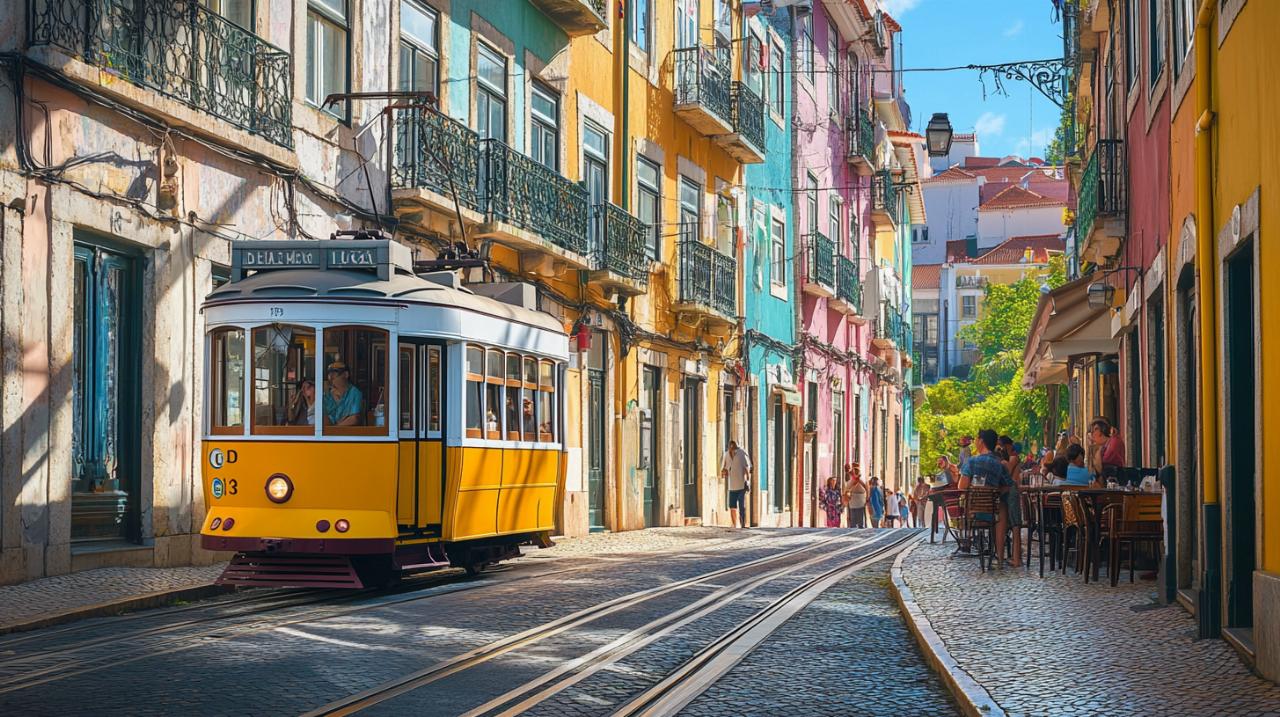
The Alfama district rewards wanderers with numerous miradouros, or viewpoints, that offer spectacular perspectives of the city. Miradouro de Santa Luzia presents a postcard-perfect panorama framed by bougainvillaea, whilst Miradouro da Senhora do Monte, perched at one of the city's highest points, provides breathtaking views that extend all the way to the river. These scenic spots are ideal for capturing photographs or simply pausing to appreciate the beauty of Lisbon's distinctive landscape. The historic Tram 28, rattling along its scenic route through the city's most characterful neighbourhoods, passes through Alfama and offers an authentic way to experience the area's steep hills and tight corners.
Afternoon at Praça do Comércio and Sunset from Portas do Sol
After a morning of climbing hills and exploring ancient fortifications, head towards the waterfront to discover Praça do Comércio, one of Europe's grandest squares. This monumental plaza, also known as Terreiro do Paço, opens directly onto the Tagus River and is framed by elegant yellow arcaded buildings that once housed government ministries. The triumphal Rua Augusta Arch stands as the gateway to Baixa, the city's downtown grid of streets rebuilt after the devastating earthquake. Walking through Rua Augusta, you'll find yourself surrounded by shops, cafés, and street performers in this lively pedestrian thoroughfare that connects the waterfront to Dom Pedro IV Square, commonly known as Rossio.
As afternoon transitions towards evening, make your way to Portas do Sol, another stunning miradouro that becomes particularly magical as the sun begins its descent. This viewpoint offers a sweeping vista over Alfama's tiled rooftops cascading down towards the river, with the dome of the Igreja de Santa Engrácia rising prominently in the distance. Nearby, the São Vicente de Fora Monastery presents an opportunity to explore more of Lisbon's religious architecture, though the true highlight here is simply watching the golden light wash over the city as sunset approaches. Consider stopping at one of the terrace cafés to savour a Portuguese wine whilst the sky transforms through shades of amber and rose.
Day two: belém's unesco treasures and scenic gardens
Jerónimos Monastery and Torre de Belém: UNESCO World Heritage Marvels
The second day of your Lisbon adventure ventures westward to Belém, the historic riverside district that served as the departure point for Portuguese explorers during the Age of Discovery. The magnificent Jerónimos Monastery stands as the crown jewel of Manueline architecture, its ornate limestone façade adorned with intricate maritime motifs and religious symbolism. This UNESCO World Heritage site, constructed in the sixteenth century to commemorate Vasco da Gama's successful voyage to India, features a stunning cloister where delicate stone columns seem to twist like rope, creating an atmosphere of serene beauty. The monastery's church houses the tombs of notable Portuguese figures, including the poet Luís de Camões and navigator Vasco da Gama himself.
A short stroll along the waterfront leads to the Torre de Belém, another UNESCO-listed monument that once served as both a fortress and ceremonial gateway to Lisbon. This distinctive tower, rising from the river's edge, combines military functionality with decorative elegance, featuring Moorish-inspired watchtowers and balconies that jut out over the water. The interior reveals a series of rooms across multiple levels, though the real attraction lies in the structure's exterior beauty and its symbolic importance as a representation of Portugal's maritime prowess. The Padrão dos Descobrimentos, towering fifty-two metres high, celebrates the explorers who set sail from these very shores, its carved figures of navigators and royalty frozen in stone as they gaze towards the horizon.
Pastéis de Nata Tasting and Strolls Through Belém's Green Spaces
No visit to Belém would be complete without sampling the legendary pastéis de nata from the famous Pastéis de Belém bakery, where these custard tarts have been crafted according to a secret recipe since the nineteenth century. The warm pastries, with their crispy layers of puff pastry cradling sweet custard filling, are best enjoyed sprinkled with cinnamon and icing sugar whilst still fresh from the oven. The queue that often extends from the shop's entrance testifies to the enduring popularity of these Portuguese treats, yet the wait rarely exceeds expectations given the exceptional quality.
After indulging in sweet delicacies, explore the green spaces that grace Belém's landscape. The gardens surrounding the monuments provide pleasant paths for leisurely walks beneath palm trees and alongside geometrically arranged flowerbeds. These scenic gardens offer respite from the bustling tourist areas whilst maintaining easy access to the district's main attractions. Later in the afternoon, consider visiting the creative hub of LX Factory, a converted industrial complex now filled with boutiques, galleries, and innovative restaurants. This trendy neighbourhood contrasts sharply with Belém's historic monuments, showcasing Lisbon's contemporary artistic spirit. As evening approaches, the Time Out Market at Cais do Sodré presents an excellent opportunity to sample diverse Portuguese cuisine under one roof, with numerous food stalls operated by renowned local chefs offering everything from fresh seafood to traditional petiscos.
Day Three: Sintra Day Trip and Evening at Parque das Nações
Pena palace and sintra's enchanting gardens
Your final day begins with a train journey from Rossio Station to Sintra, a fairy-tale town nestled in the forested hills northwest of Lisbon. The forty-minute ride delivers you to a UNESCO World Heritage landscape where romantic palaces and ancient castles emerge from lush vegetation. The extraordinary Pena Palace crowns one of Sintra's highest peaks, its vibrant red and yellow façade visible from miles away. This nineteenth-century Romantic palace combines Gothic, Moorish, and Renaissance architectural elements into a fantastical structure that seems plucked from a storybook. The palace interior features lavishly decorated rooms preserved as they appeared during the Portuguese royal family's residence, whilst the surrounding parkland contains winding paths, hidden grottoes, and exotic trees from across the former Portuguese empire.
Beyond Pena Palace, Sintra offers additional treasures for those with time to explore further. The Moorish Castle, with its ancient stone walls snaking along mountain ridges, provides spectacular hiking opportunities and panoramic views across the region. Quinta da Regaleira captivates visitors with its mysterious gardens, featuring the famous Initiation Well that spirals deep into the earth through a series of stone platforms. The town centre itself charms with its narrow streets, traditional shops selling queijadas and travesseiros, and pleasant squares where you can rest before the return journey to Lisbon. The enchanting gardens throughout Sintra create an atmosphere of otherworldly beauty, making this day trip one of the highlights of any Lisbon itinerary.
Return to Lisbon: Time Out Market and Nightlife at Cais do Sodré
Returning to Lisbon in the late afternoon allows time to refresh before experiencing the city's evening offerings. The Parque das Nações, developed for the World Exposition, presents a modern face of Lisbon with its contemporary architecture, riverside promenades, and the Oceanário de Lisboa, one of Europe's largest aquariums. This waterfront district provides a pleasant contrast to the historic neighbourhoods explored earlier, with spacious walkways ideal for an evening stroll beside the Tagus. However, many visitors prefer to dedicate their final evening to experiencing authentic Portuguese culture through food and music.
The neighbourhoods of Chiado and Bairro Alto come alive as darkness falls, their streets filling with locals and visitors seeking dinner and entertainment. Traditional Fado performances provide an unforgettable cultural experience, with soulful singers accompanied by Portuguese guitar evoking the melancholic beauty that defines this musical tradition. The Bairro Alto district transforms from a quiet residential area into a vibrant nightlife hub, its narrow streets lined with bars and small restaurants where revellers spill onto cobblestone pavements. For a more relaxed conclusion to your weekend, consider a sunset cruise along the Tagus River, offering a different perspective on the monuments you've visited whilst the city lights begin to twinkle across the waterfront. Whether you choose lively bars or intimate Fado venues, your final evening in Lisbon promises to leave lasting memories of this captivating Portuguese capital.